Accra Flooding June 2026: Roads, Drainage, and Your Safety
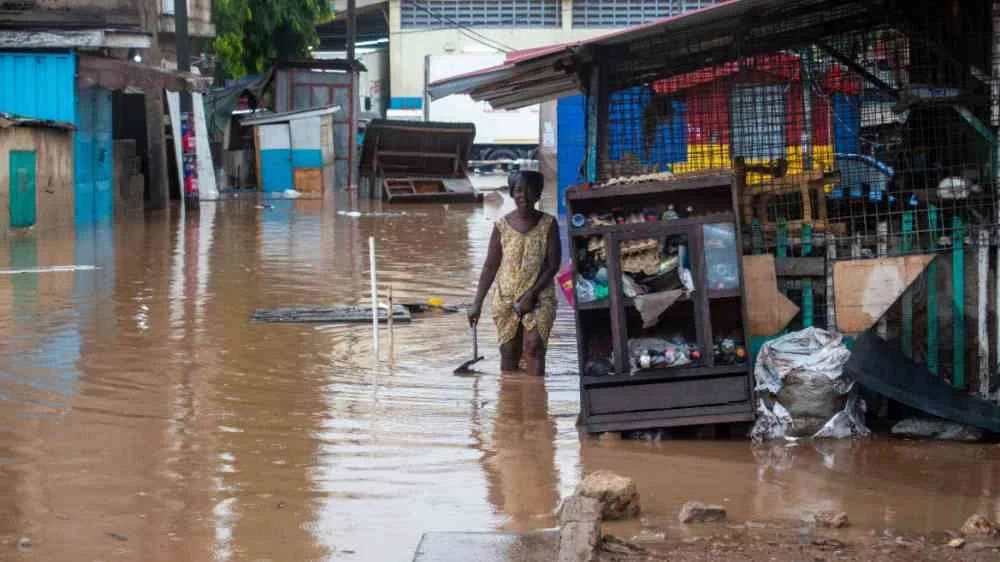
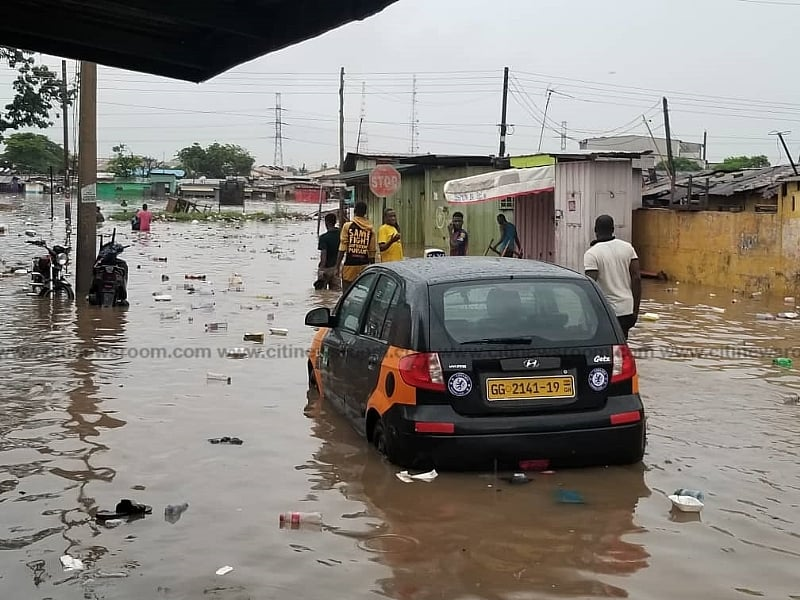
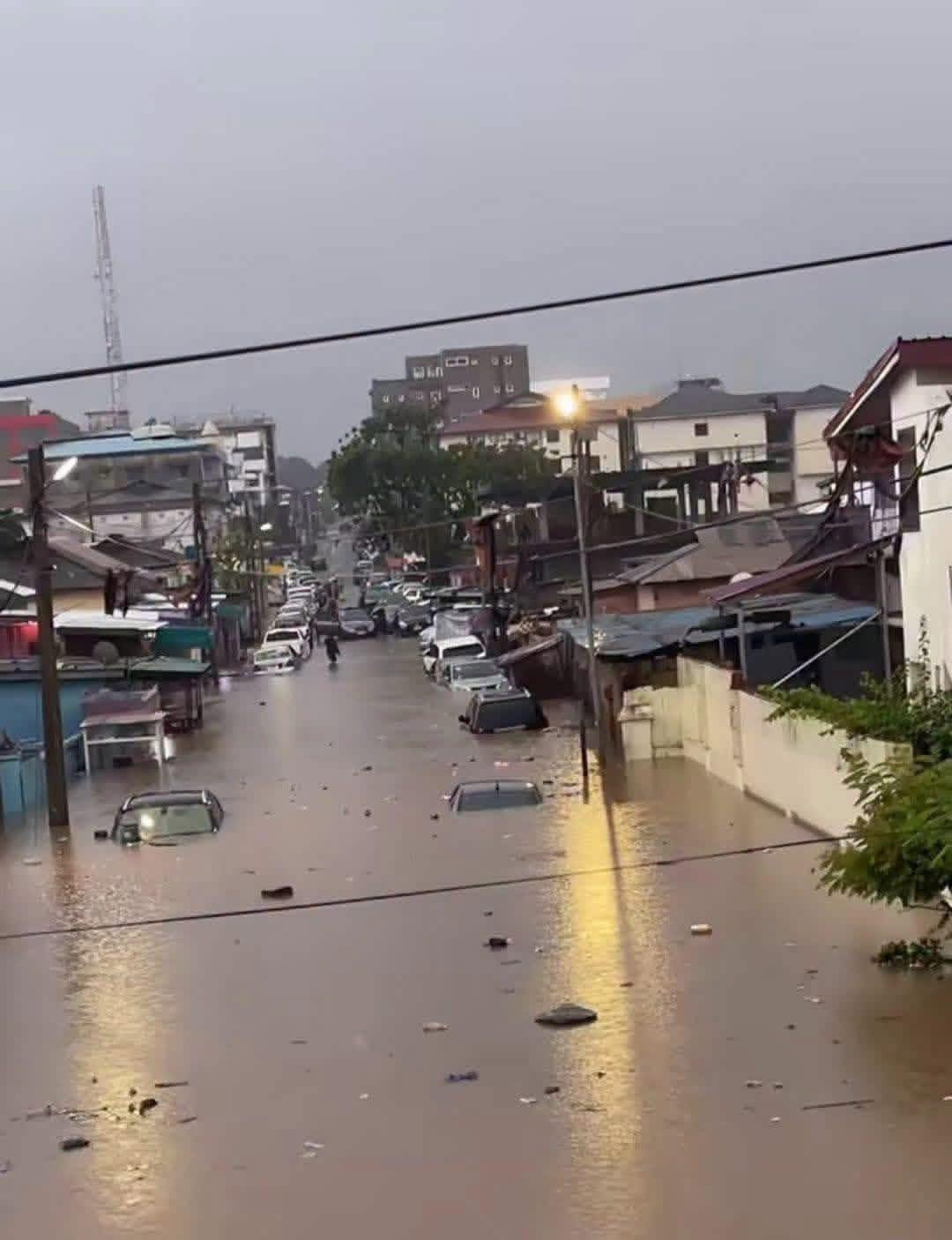
Accra's beautiful chaos often turns into a watery ordeal when the heavens open up, and late June 2026 offered a stark reminder of this reality. For many of us living and working in the capital, the heavy downpours that started around June 29, 2026, weren't just a nuisance; they were a significant disruption, turning familiar streets into treacherous waterways and highlighting persistent challenges with our urban infrastructure.
From Circle-Odawna to Adenta, the sheer volume of water overwhelmed our already strained drainage systems, submerging homes, stranding commuters, and even leading to tragic incidents like the factory fire and building collapse reported. It wasn't just about wet feet; it was about halted livelihoods, damaged property, and the urgent need for safety. We saw first-hand how quickly daily life, from catching a trotro to making it to work, could grind to a halt, underscoring the vital connection between our environment and our economy.
The Immediate Impact of Accra Flooding June 2026 on Roads and Movement
The most immediate and visible consequence of the June 2026 floods was on Accra's road network. Major arteries became impassable rivers, trapping vehicles and forcing countless residents to abandon their daily plans. Imagine trying to get from Lapaz to Accra Central, only to find the Kaneshie-Odawna stretch completely submerged. This isn't just an inconvenience; it's a significant economic hit, delaying goods, preventing workers from reaching their jobs, and impacting businesses.
Beyond the daily commute, emergency services faced immense challenges. Firefighters struggled to reach the blaze at the rubber factory, and rescue teams worked tirelessly to assist stranded individuals. Power outages added another layer of difficulty, plunging many areas into darkness and silence, save for the relentless drumming of rain.
Navigating the Present: Immediate Actions vs. Long-Term Solutions
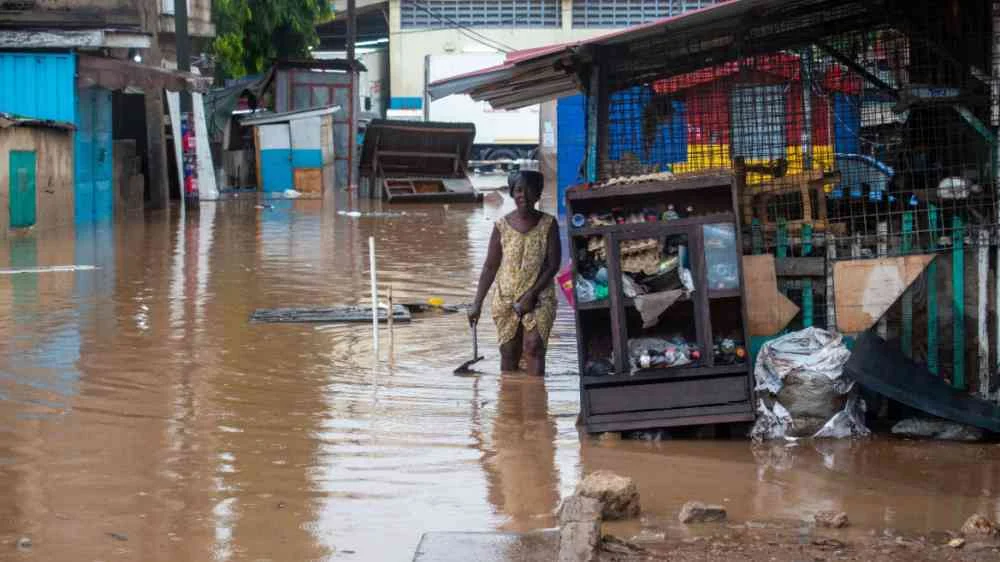
When the waters rise, our minds often jump to two things: what can I do right now? and how can we stop this from happening again? It's a classic case of balancing immediate survival with strategic, future-proofing efforts. Let's weigh these options.
The 'Right Now' – Practical Tips for Flood Preparedness
While we all wish for a city immune to floods, the reality is that heavy rains will continue. This means personal preparedness is key. Think of it as your personal 'flood survival kit' – not just physical items, but habits too.
- Stay Informed: Always keep an eye on weather forecasts. If heavy rains are predicted, adjust your plans. Follow local news, radio, and even social media alerts from reliable sources like the Ghana Meteorological Agency (GMet) or NADMO.
- Emergency Contacts & Documents: Have a list of emergency numbers (NADMO, police, family, neighbours) saved and easily accessible. Keep important documents (ID, NHIS card, bank details) in waterproof bags or stored digitally in the cloud.
- Secure Your Home: Simple actions can make a huge difference. Clear drains around your house of debris. Raise valuable items or move them to higher ground if a flood warning is issued. If you live in a flood-prone area, consider sandbags for entryways.
- Avoid Floodwaters: This cannot be stressed enough. Never attempt to drive or walk through flooded streets. Even seemingly shallow water can hide open drains, swift currents, or dangerous debris. It's not worth the risk. A few cedis saved on a long detour is nothing compared to your life.
- Emergency Kit: Prepare a small bag with essentials: a torchlight, extra batteries, a fully charged power bank for your phone, a first-aid kit, some non-perishable food items, and bottled water.
- Cash and MoMo: During widespread power outages, ATMs might not work. Ensure you have some physical cash, and that your mobile money wallet (MTN MoMo, Vodafone Cash, AirtelTigo Money) is loaded for essential transactions.
These immediate actions are our 'pros' in a crisis – they empower us to protect ourselves and our loved ones, buying time and reducing harm while the larger systems catch up.
The 'How to Stop This' – Long-Term Solutions for Drainage and Urban Planning
The heavy rains of June 2026 underscored, yet again, the critical need for robust, long-term solutions. These are the 'cons' in the immediate sense – they require significant investment, political will, and time, but they represent the ultimate 'pros' for a resilient Accra.
- Modernized Drainage Systems: Our current drainage infrastructure is simply not designed for the volume of rainfall Accra now experiences. A comprehensive overhaul, including wider, deeper, and properly maintained drains, is essential. This means significant government and private sector investment.
- Waste Management: A major contributor to blocked drains is improper waste disposal. We all have a role to play here. Ensure your household waste is properly bagged and disposed of. Community clean-up initiatives, coupled with stricter enforcement against littering, are crucial.
- Sustainable Urban Planning: As Accra expands, we need smarter planning. This means discouraging construction on waterways, preserving green spaces that absorb rainwater, and implementing building codes that account for flood risks. This is a long game, requiring foresight and consistent policy.
- Public Education & Awareness: Continuously educating citizens about the dangers of flooding, the importance of proper waste disposal, and how to prepare is vital. Knowledge is power, and an informed populace is a resilient one.
While these large-scale solutions are slow to manifest, they are the only way to genuinely tackle the root causes of Accra flooding June 2026 and beyond, providing sustainable relief for future generations.
Building a Resilient Accra: A Shared Responsibility
The events of June 2026 were a stark reminder that while the government has a monumental task ahead, each of us, as citizens, also bears a responsibility. From ensuring our immediate surroundings are clear of debris to advocating for better urban planning, our collective actions shape the future of our capital.
Accra is our home, a vibrant hub of culture and commerce. Let's work together, armed with knowledge and practical steps, to ensure that the next rainy season finds us better prepared, stronger, and more resilient. Stay safe, stay informed, and let's keep the VibesGH strong, even when the heavens open.