Accra Flooding June 2026: Navigating Roads & Drainage Impact
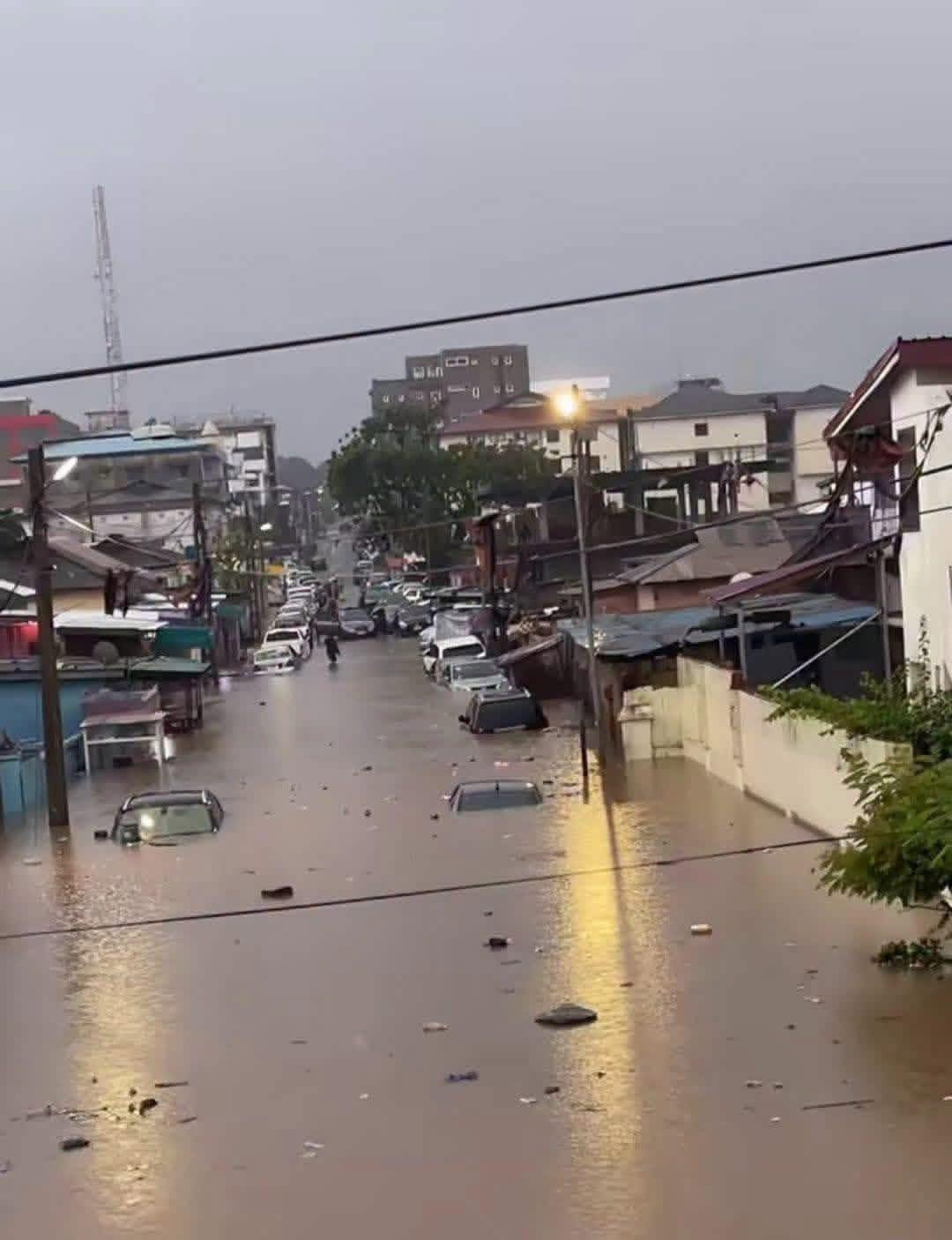
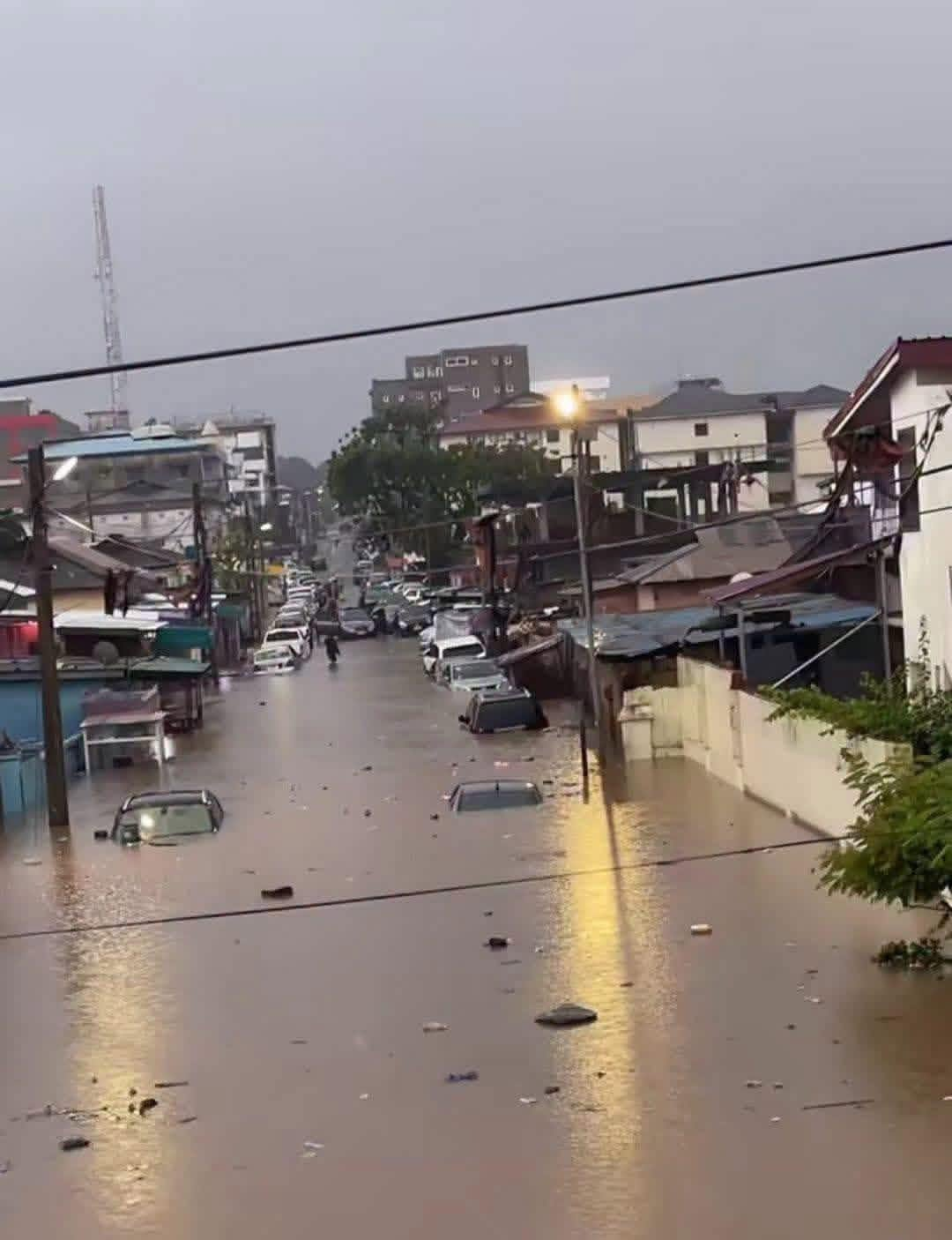
The rhythmic patter of rain on a tin roof usually brings a sense of calm, a welcome break from Accra's bustling heat. But for many, especially in June 2026, that familiar sound quickly morphed into a growing dread. Imagine waking up, planning your usual trotro ride from Kasoa to Accra Central, only to find the Weija-Kasoa Road completely submerged, looking more like a raging river than a major highway. Or perhaps you were caught trying to navigate the notorious Kwame Nkrumah Circle area, watching helplessly as your car tires disappeared under murky brown water. This was the harsh reality for countless Ghanaians on June 3rd and again on June 29th, when torrential downpours brought the city to a standstill. The Accra flooding June 2026 Ghana roads drainage impact was a stark reminder that despite years of discussions and promises, our capital remains highly vulnerable.
The Recurring Nightmare: Why Accra’s Drainage Struggles
It’s not just a matter of “heavy rains”; it’s the systemic failure of our drainage infrastructure to cope. We've seen this pattern repeat itself year after year, tragically echoing the devastating June 3rd, 2015 disaster. The 2026 floods highlighted that many of the underlying issues persist. Our drains, often choked with plastic waste and silt, simply cannot handle the volume of water when the heavens open. This leads to major roads becoming impassable, trapping commuters, cutting off communities, and turning daily routines into harrowing survival stories. Key transit corridors, essential for linking homes to workplaces, markets, and schools, were completely blocked, underscoring the severe drainage impact on our everyday lives and the city's economy.
Navigating the Waters: What You Can Do TODAY
While we continue to advocate for long-term solutions, there are practical steps we can all take to protect ourselves, our families, and our properties. Being prepared is not just a suggestion; it’s a necessity in Accra.
-
Before the Rains:
- Clear Your Drains: Take responsibility for the immediate surroundings of your home or business. Regularly clear gutters and any open drains of debris, plastics, and sand. A clear drain near you contributes to a clearer flow further down.
- Stay Informed: Keep an eye on weather forecasts from reliable sources. Sign up for local alerts if available. Knowledge is power, especially when it comes to planning your movements.
- Emergency Kit: Assemble a small bag with essentials: power bank, torchlight, bottled water, non-perishable snacks, a change of clothes, basic first aid, and copies of important documents (stored in waterproof bags). Don't forget some spare cedis, as ATMs might be inaccessible, and mobile money networks can sometimes be overwhelmed during emergencies.
- Emergency Contacts: Save numbers for NADMO, local police, fire service, and trusted family/friends. Write them down too, in case your phone dies.
- Home Preparedness: If you live in a flood-prone area, consider sandbags, raising valuable items, and securing outdoor furniture.
-
During Heavy Rains & Floods:
- Stay Indoors if Possible: If the rain starts, and you don’t absolutely need to be out, stay home. It’s the safest option.
- Avoid Floodwaters: NEVER walk or drive through floodwaters. Hidden open drains, manholes, and electrical wires pose extreme danger. Even a few inches of fast-moving water can sweep you off your feet, and just a foot of water can float a car. Many of our Ghana roads become deathtraps during these times.
- Seek Higher Ground: If your area is flooding, move to the highest point in your home or seek refuge with neighbours on higher ground.
- Turn Off Power: If water enters your home, switch off the main electricity supply to prevent electrocution.
- Follow Official Advice: Tune into radio stations or check reliable news platforms for updates and instructions from emergency services.
- After the Floods:
- Assess Damage Safely: Don't rush back into damaged areas. Check for structural integrity, gas leaks, and electrical hazards.
- Clean Up Responsibly: Participate in community clean-up efforts. Proper waste disposal is crucial to prevent drains from clogging again.
- Health Precautions: Be mindful of waterborne diseases. Boil drinking water, wash hands frequently, and keep children away from stagnant water.
The Bigger Picture: Our Collective Responsibility for Accra's Roads and Drainage
The challenges of Accra flooding June 2026 Ghana roads drainage impact are complex, involving urban planning, waste management, and citizen behavior. While authorities have a major role to play in infrastructure development and enforcement, we, the citizens, also bear a responsibility. Let’s make a conscious effort to dispose of our waste properly, not into gutters or open spaces. Let’s demand accountability from our leaders for sustainable drainage solutions. Every plastic bottle thrown into a drain contributes to the problem, and every voice raised for better infrastructure pushes us closer to a lasting solution.
Accra is our home, a city brimming with life, culture, and opportunity. We can't let the annual rains hold us hostage. By understanding the risks, taking proactive steps, and working together, we can build a more resilient capital, ensuring that the sound of rain brings only refreshment, not dread. Stay safe, Ghana!