Accra Flooding: Navigating Heavy Rains & Protecting Your Home
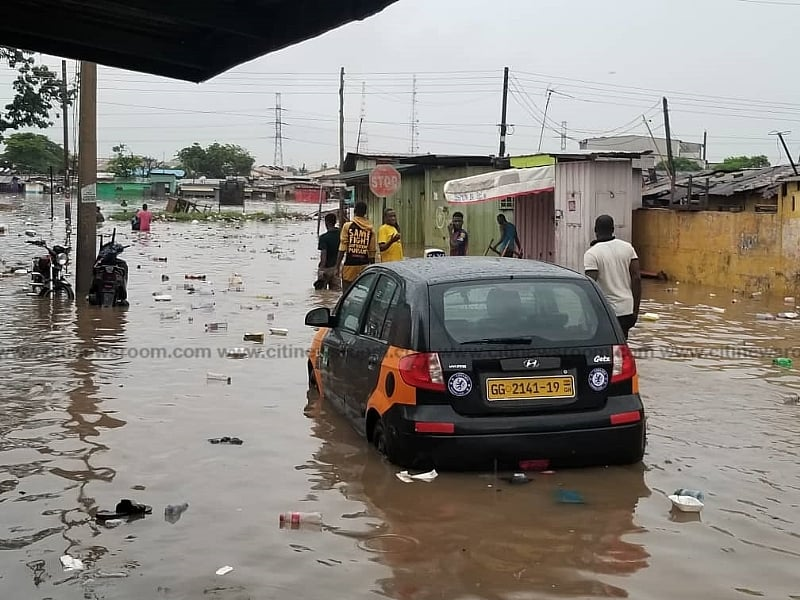
Before you even think about the next downpour, cast your eyes around your immediate surroundings. Is that gutter in front of your house clear? Are fallen leaves and plastic sachets choking the flow? Because when the heavens truly open, as they did with such a relentless fury on June 29, 2026, over Accra, these small details become critically important. Knowing what to do before the first drop can literally save your property, and even your life, from the havoc that severe Accra flooding can unleash.
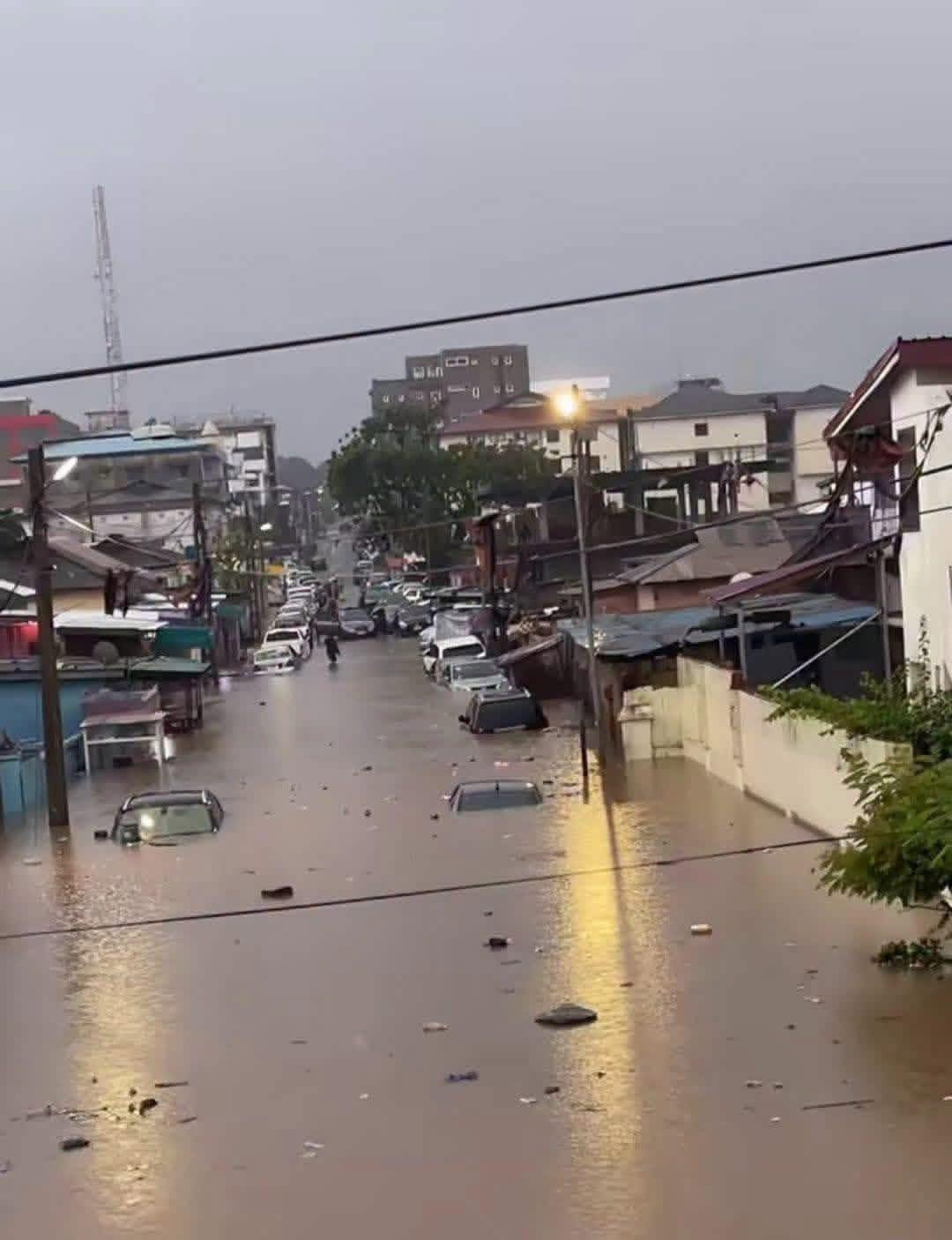
That Monday in June felt different. From Kaneshie to Mallam, Spintex to Weija, and even up to Achimota, the rain didn't just fall – it descended with a vengeance. Our usually bustling streets, where trotros weave through traffic and hawkers ply their trade, quickly transformed into raging rivers. Drainage systems, designed for more modest downpours, were completely overwhelmed, turning major roads into impassable waterways and submerging entire neighbourhoods.
The impact was heartbreaking. At least 12 precious lives were lost, including a mother and child, a stark reminder of the deadly force of these floods. Hundreds of people needed rescuing by the brave men and women of the Ghana National Fire Service, who pulled over 470 individuals to safety. Homes, businesses, and even the property of well-known personalities like Reggie Rockstone were inundated, with cars and other valuables destroyed. It wasn't just an inconvenience; it was a crisis that cut off communities, disrupted daily life, and left a trail of immense damage across the Greater Accra Region.
This isn't just about a single event; it's a recurring challenge that demands our attention and preparedness. So, what can we, as everyday Ghanaians, do to protect ourselves, our families, and our property from the next wave of Accra flooding?
Preparing for Accra Flooding: Before the Rains Come
The best defense is a good offense, as they say. Here’s how to get ready before the clouds even think about gathering:
- Clear Your Drains: This is non-negotiable! Take an hour to clear any debris, plastic waste, or leaves from the gutters and small drains around your home and immediate compound. If everyone does their part, it makes a huge difference to the overall flow and reduces the chances of water backing up. Talk to your neighbours; perhaps you can organize a community clean-up for larger culverts.
- Emergency Kit Essentials: Put together a basic kit. Think about a reliable flashlight, a fully charged power bank for your phone (essential for MTN MoMo transactions or emergency calls), a first-aid kit, a few days' supply of bottled water and non-perishable food items (like gari, shito, and biscuits), and copies of important documents sealed in waterproof bags.
- Know Your Escape Routes: If your area is low-lying or flood-prone, identify a safe, higher ground location nearby. Discuss with your family where to meet if you get separated.
- Emergency Contacts: Save numbers for the Ghana National Fire Service, police, your local assembly, and trusted family members or neighbours. Have them written down somewhere safe, too, in case your phone dies.
- Consider Insurance: Many Ghanaians overlook home or property insurance, but a quick chat with local providers like SIC Insurance or Enterprise Insurance could offer peace of mind. For a few cedis a month, it could save you from financial ruin if the worst happens.
- Stay Informed: Follow the Ghana Meteorological Agency (GMet) for weather updates. Their warnings can give you crucial hours to prepare.
Navigating Accra Flooding: When the Waters Rise
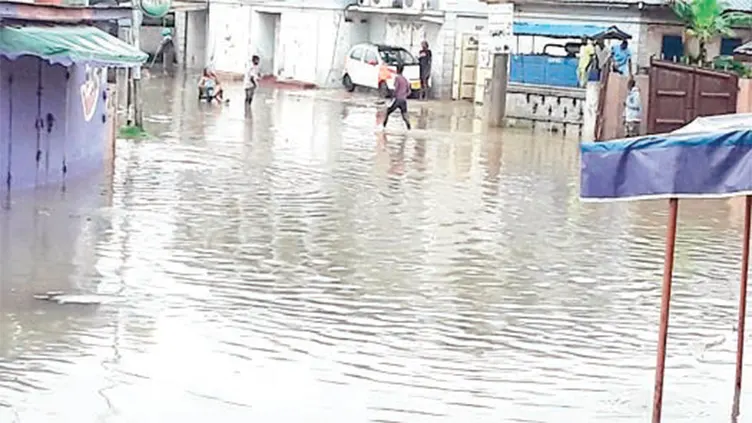
When the heavens open, your priority is safety. Here’s how to stay out of harm’s way during Accra flooding:
- Stay Indoors, If Possible: Avoid unnecessary travel. If you’re at home, stay there. If you’re at work, don't rush into the floods unless it's absolutely necessary and safe.
- Do NOT Drive or Walk Through Floodwaters: This is perhaps the most critical advice. That seemingly shallow puddle could hide a deep pothole, a missing manhole cover, or a strong, unseen current that can sweep you or your vehicle away. Vehicles can float in surprisingly little water, and just six inches of moving water can knock you off your feet. Over 470 people needed rescue in June 2026 – don't be part of those statistics. Turn around, find an alternative route, or wait it out.
- Disconnect Power: If floodwaters begin to enter your home, switch off your main electricity supply immediately at the meter to prevent electrocution.
- Use Mobile Money for Transactions: With roads cut off and movement restricted, cash might be hard to access. Ensure your MTN MoMo wallet, Vodafone Cash, or AirtelTigo Money is sufficiently loaded for unexpected needs like buying provisions or sending emergency funds to family.
After the Storm: Recovery and Prevention
Once the waters recede, the work isn't over. Recovery and collective action are key:
- Assess Damage Safely: Wait until the water is completely gone. Be wary of damaged electrical wiring, gas leaks, or weakened structures. Wear protective gear like gloves and boots during clean-up.
- Clean and Disinfect: Floodwaters are unsanitary and can carry diseases. Clean and disinfect all affected areas and items thoroughly.
- Report Issues: See a major blocked drain, a collapsed culvert, or damaged infrastructure? Report it to your local Metropolitan, Municipal, or District Assembly (MMDA) or contact Zoomlion. Your input helps them target resources effectively.
- Advocate for Better Drainage: Speak up! Support community initiatives and advocate for better urban planning and infrastructure development that can handle our changing weather patterns. Our beautiful city of Accra deserves robust systems to protect its people.
The spirit of Ghanaians is resilient, whether we're cheering on the Black Stars or navigating the daily hustle. The severe Accra flooding of June 2026 was a stark reminder of our vulnerabilities, but also a call to action. By taking proactive steps, staying informed, and looking out for one another, we can better weather the storms ahead and build a safer, more resilient Ghana for everyone.