Unlock Ghana's Superfoods: Myths vs. Reality for a Healthier You
Okay, so let me tell you something funny. Last week, I was chatting with my cousin Ama about healthy eating, and she made a face when I mentioned dawadawa. Apparently, some people still think it's only for 'villagers' or that it smells too strong! Ei! That got me thinking – we need to set the record straight about some of these amazing Ghanaian superfoods. Time to bust some myths and reveal the real deal, chale!
Ghanaian Superfoods: Separating Fact from Fiction
Ghana is blessed with incredible, nutrient-rich foods, but sometimes we have the wrong ideas about them. Let's dive into some common misconceptions and replace them with the truth about these Ghanaian superfoods.
Myth 1: Dawadawa is only for people in the North and smells too strong to be taken seriously.
Reality: Dawadawa, or the African locust bean, is a nutritional powerhouse! Yes, it has a strong aroma, but that's part of its unique flavour profile. It's packed with protein, iron, and essential amino acids. People all over Ghana can benefit from it. Plus, the dawadawa tree itself is useful from bark to leaves to the fruit which is food for animals and humans. Don't let the smell scare you – your body will thank you. Think of it as Ghana's very own umami bomb!
Actionable Tip: Try adding a small amount of dawadawa to your soups or stews. Start with a little and adjust to your taste. You can find it in most markets for just a few cedis. Remember to buy from a trusted vendor.
Myth 2: Honey is just sugar; infused honey is just a fancy way to sell sugar.
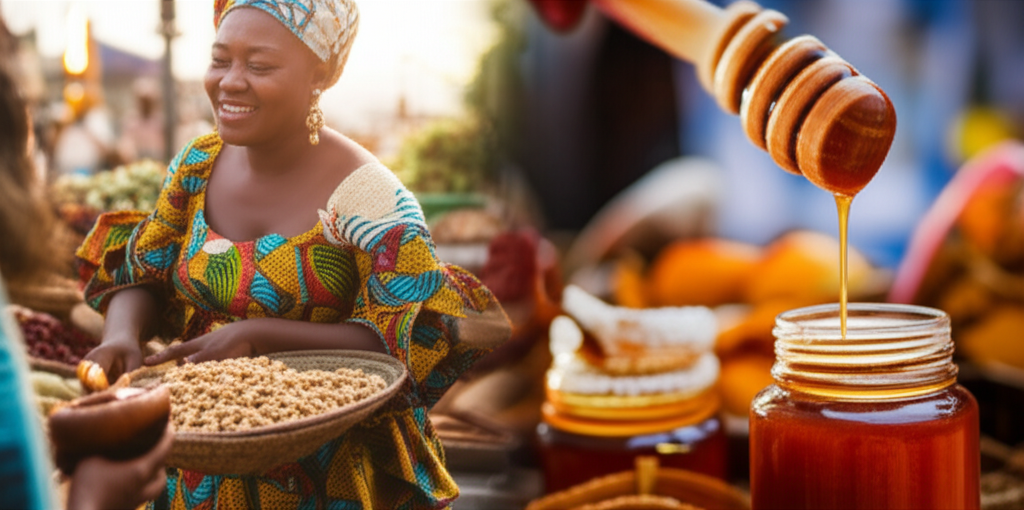
Reality: Pure, raw honey is so much more than just a sweetener. It contains antioxidants, enzymes, and minerals. Infused honey takes it to another level! By steeping herbs, spices, and fruits like ginger, cinnamon, lemon, or hibiscus into the honey, you extract their beneficial properties. It’s a delicious and natural way to boost your health. Many people in Accra, Kumasi, and beyond are now using infused honey for its healing properties. Plus, it tastes amazing!
Actionable Tip: Look for locally produced infused honey at farmers' markets or from small businesses. Check the ingredients to make sure it's made with pure honey and natural ingredients. A small jar can cost you between 30-50 cedis, depending on the infusions.
Myth 3: Superfoods are expensive and hard to find.
Reality: While some imported superfoods can be pricey, Ghana is full of affordable and accessible options! Dawadawa, millet, sorghum, cocoyam (kontomire), and even the humble garden egg are all packed with nutrients and readily available in our local markets. You don't need to break the bank to eat healthily.
Actionable Tip: Make a list of local, seasonal fruits and vegetables when you go to the market. Ask your grandmother or an older relative for traditional recipes that incorporate these ingredients. They hold a wealth of knowledge!
Why Embrace Ghanaian Superfoods?
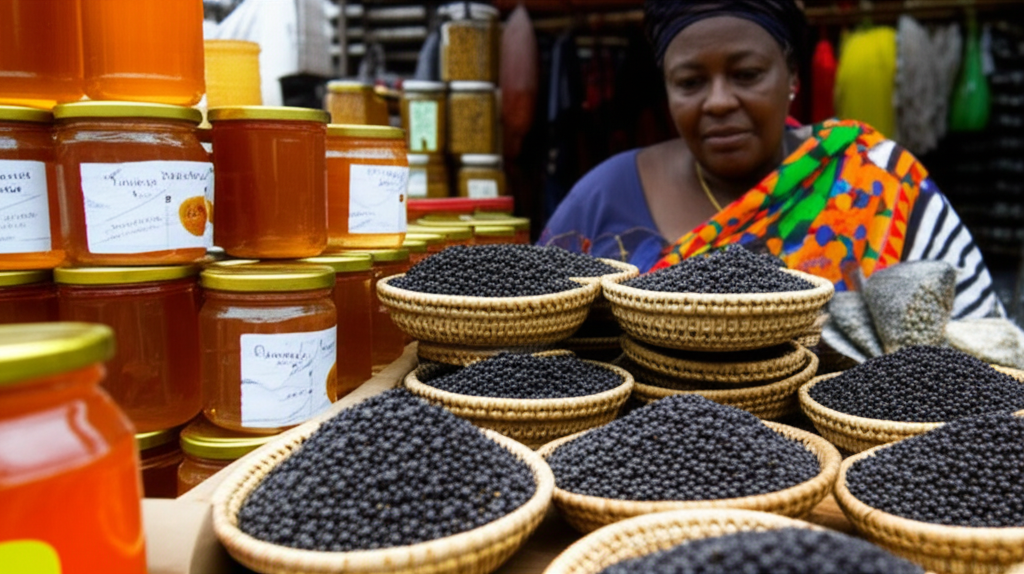
Beyond the health benefits, supporting local superfoods is a way to boost our economy and preserve our culinary heritage. When you buy dawadawa from a Ghanaian farmer or infused honey from a local producer, you're investing in your community. Plus, you're eating foods that are naturally adapted to our environment, making them even more beneficial for our bodies.
Think about it: Our ancestors thrived on these foods for generations. They knew what they were doing! It's time we rediscover the wisdom of our traditional diets and embrace the power of Ghanaian superfoods.
Getting Practical: Easy Ways to Add Superfoods to Your Diet
Okay, so you're convinced, but how do you actually incorporate these superfoods into your daily meals? Here are some simple ideas:
- Breakfast: Add a spoonful of infused honey to your porridge or tea. Sprinkle some millet flour into your smoothie.
- Lunch: Make a kontomire stew with garden eggs and smoked fish. Pack a small container of groundnuts (peanuts) for a healthy snack.
- Dinner: Use dawadawa as a seasoning in your soups or stews. Serve with a side of brown rice or millet.
- Snacks: Grab some fresh fruits like mangoes, oranges, or bananas. These are packed with vitamins and antioxidants.
Don't be afraid to experiment and get creative in the kitchen! Ghana is full of delicious and nutritious ingredients – let's celebrate them.
Final Thoughts
So, there you have it! Forget the myths and embrace the reality of Ghanaian superfoods. They're affordable, accessible, and packed with nutrients to help you live a healthier, more vibrant life. Let's support our local farmers, celebrate our culinary heritage, and nourish our bodies with the goodness of Ghana. You dey bee! You go be fine!