Healthy Eating Ghana: Local Foods & Smart Nutrition for You

Think eating healthy means saying goodbye to your beloved banku, fufu, or kelewele? Think again! You can absolutely enjoy the rich flavours of Ghanaian cuisine while giving your body the best nutrition. Our local markets are overflowing with powerhouse ingredients, and with a few smart tweaks, your favourite Ghanaian dishes can become pillars of your healthy eating journey. Let's dive into some common questions you might have about healthy eating Ghana local foods nutrition.
Can I truly eat healthy using only Ghanaian local foods?
Absolutely, yes! Ghanaian cuisine is naturally vibrant and packed with nutrients. From the robust goodness of whole grains like millet and guinea corn, to the fresh leafy greens in our kontomire and garden egg stews, and the protein punch from local fish and legumes like beans and groundnuts – we have it all. The key lies in how we prepare and combine these foods. A plate of waakye, for example, is a fantastic source of protein and fibre (beans) and complex carbs (rice). Add some shito (in moderation) and a generous side of 'salad' (chopped cabbage and carrots), and you have a powerhouse meal supporting your healthy eating Ghana local foods nutrition goals without needing any foreign ingredients.
What are some healthy Ghanaian food combinations for everyday meals?
It's all about balance, just like a beautifully woven kente cloth! Here are some ideas:
- Breakfast Power-Up: Instead of heavily fried bofrot, try a bowl of millet porridge (hausa koko) with a side of koose (bean fritters, ideally baked or pan-fried with minimal oil, or just two pieces if fried). Or go for a hearty portion of boiled yam with a light, vegetable-rich palava sauce. A simple plate of boiled eggs with sliced avocado is also a winner.
- Lunch on the Go: Grab kenkey with a generous portion of grilled tilapia and some fresh, blended pepper sauce, focusing on the fish and less on the kenkey if you're watching carbs. If it's waakye, ask for more beans than rice, less oil, and load up on the 'salad'. A small piece of fried fish (or better, grilled) and a boiled egg will boost your protein. Skip the 'gari foto' or keep it minimal.
- Dinner Delight: A lighter dinner is always a good idea. Think light soup (nkrakra) brimming with vegetables and lean protein like fish or chicken, paired with a small serving of fufu or mashed yam. Or a bowl of garden egg stew with boiled plantain. The key is to make vegetables the star and keep portions of starchy carbs modest.
How can I manage portions without feeling deprived?
This is where many of us struggle, especially when our plates are piled high! Here are some practical tips:
- Use Smaller Plates: Instead of those large 'chop bar' plates, opt for a smaller plate or even a calabash. Your mind will register it as a full serving.
- Listen to Your Body: Eat slowly and pay attention to when you feel satisfied, not stuffed. It takes about 20 minutes for your stomach to tell your brain it's full.
- Share, Don't Finish: If you order a large meal, consider splitting it with a friend or asking for half to be packed for later. That leftover jollof can be tomorrow's lunch!
- Hydrate Before You Eat: Drink a glass of water about 15-20 minutes before your meal. Sometimes, we mistake thirst for hunger.
Smart Choices for Healthy Eating Ghana Local Foods & Your Wallet
Eating healthy doesn't have to break the bank. In fact, choosing local often means saving cedis!
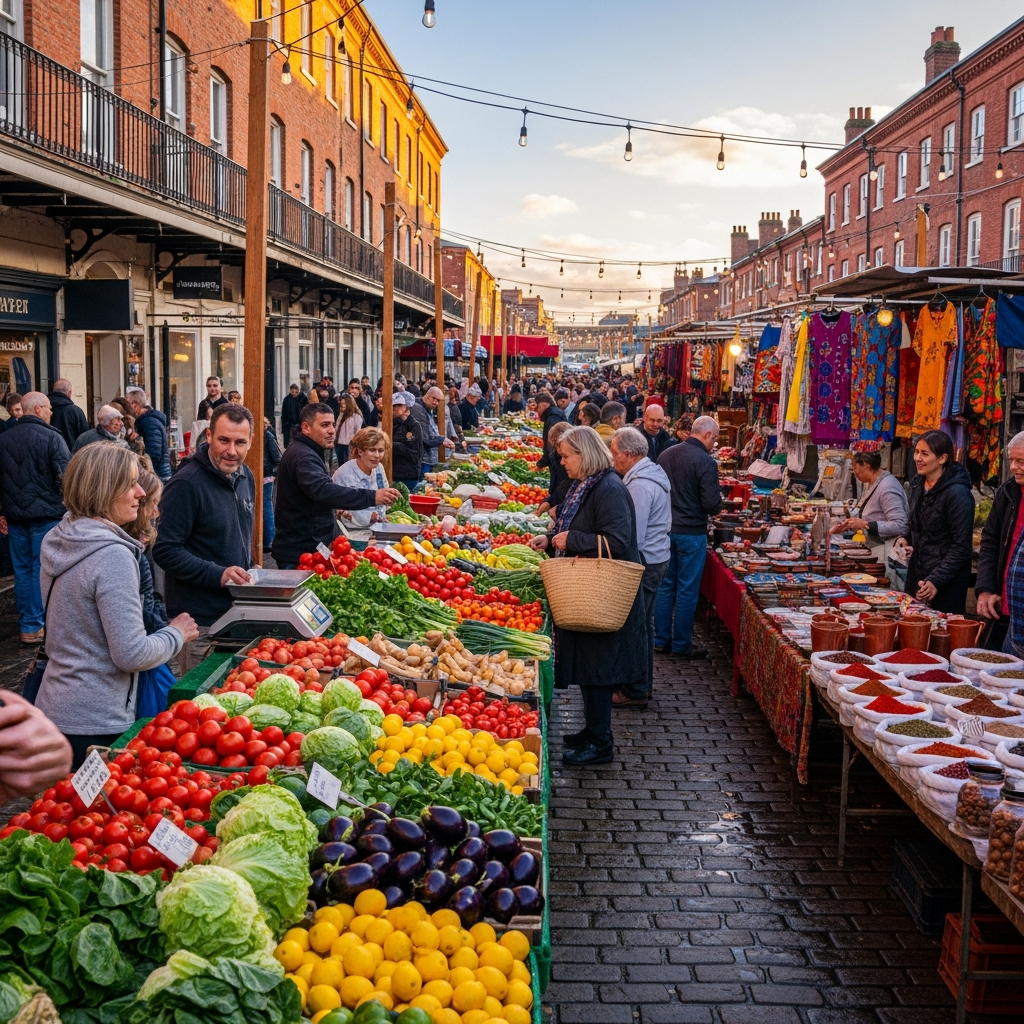
- Market Power: Buy fresh fruits and vegetables from local markets like Agbogbloshie, Kejetia, or even your neighbourhood 'makola' market. They are often much cheaper than supermarkets and definitely more affordable than imported, processed foods. A few cedis can get you a good supply of kontomire, garden eggs, tomatoes, or okra.
- Seasonal Eating: Enjoy fruits and vegetables when they are in season. They are not only cheaper but also taste better and are at their peak nutritional value.
- Cook at Home: Preparing your own meals gives you control over ingredients, oil, and salt content. It's almost always cheaper and healthier than buying meals out every day, even from the best 'chop bar'. Consider batch cooking stews and soups for the week.
- Plant-Based Power: Incorporate more plant-based protein like beans, groundnuts, and lentils into your diet. They are highly nutritious, affordable, and versatile for dishes like 'red red' or 'gobe' (beans and gari).
What about snacks and drinks? Any healthy Ghanaian options?
Absolutely! Forget the sugary drinks and processed biscuits. We have fantastic local options:
- Fruits, Fruits, Fruits: Our tropical fruits are nature's candy. Think ripe mangoes, juicy pineapples, watermelons, pawpaws, bananas, and oranges. They're packed with vitamins, fibre, and natural sweetness.
- Boiled Groundnuts: A classic Ghanaian snack, offering healthy fats and protein. Just watch your portion sizes!
- Roasted Plantain (Kelewele): While kelewele is often fried, a healthier version can be roasted or air-fried with minimal oil. Enjoy in moderation.
- Sobolo (Hibiscus Tea): A refreshing, antioxidant-rich drink. Just be mindful of added sugar. Ask for less sugar or prepare it at home to control the sweetness.
- Water: The ultimate healthy drink. Always have a bottle of pure, cool water handy. It's essential for every bodily function and helps keep hunger pangs at bay.
Eating healthy in Ghana isn't about giving up what you love; it's about making smarter, more informed choices with our amazing local foods. By focusing on balance, mindful portions, and smart preparation, you can enjoy all the deliciousness Ghana has to offer while feeling your best, every single day. Start small, make one change this week, and watch the positive vibes flow!