Personal Finance in Ghana: Smart Moves for 2026
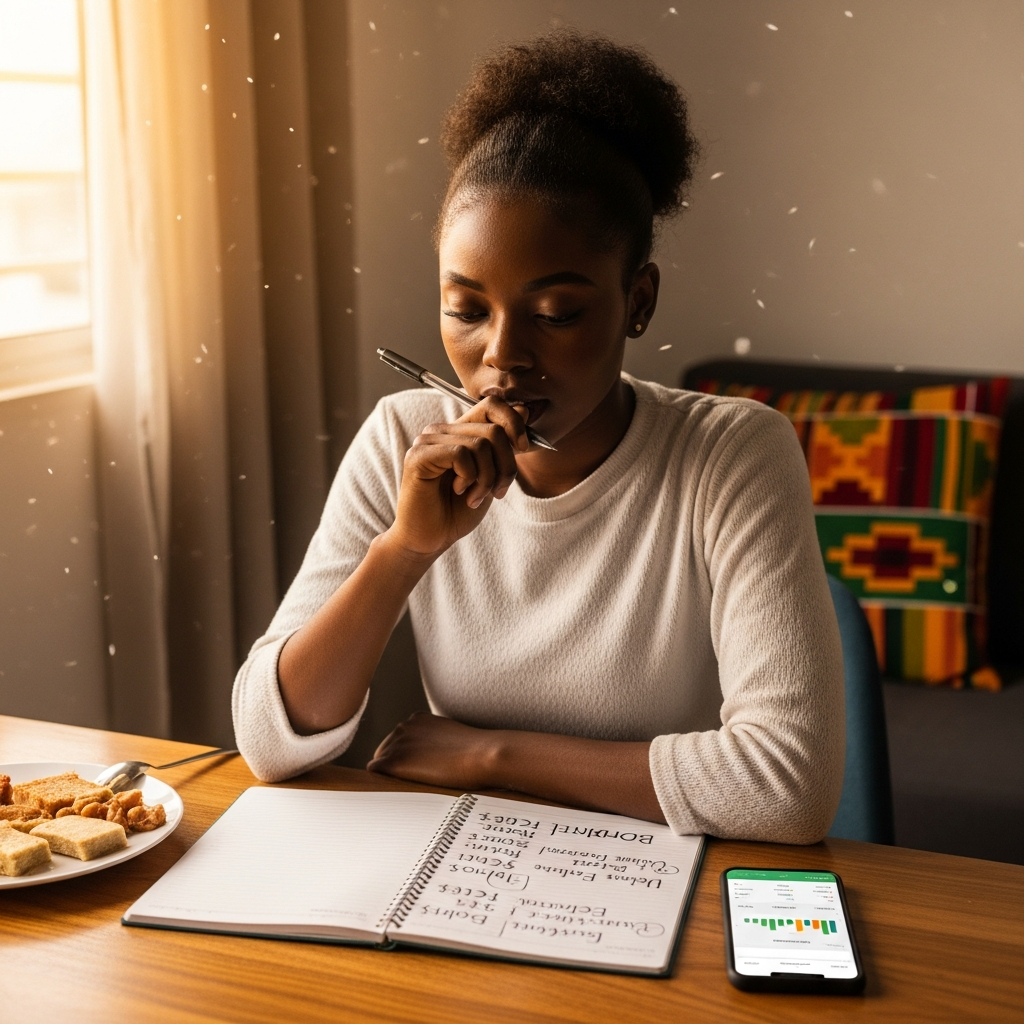
Your wallet doesn't have to feel the Detty December strain all year long.
Many Ghanaians feel lost when it comes to personal finance. Juggling 'chop money', family needs, and future plans in cedis can seem impossible. But with the right strategies, 2026 can be the year you take control of your finances.
Setting Your Financial Goals in Ghana
First, why are you trying to sort out your personal finance? Do you want to build a house, secure your children's education, or retire comfortably without relying on SSNIT alone? Setting clear financial goals is the first step.
Let's look at some common goals and weigh the options for achieving them:
-
Goal: Buying Land in Accra
- Option A: Savings Account. Pro: Safe and accessible. Con: Interest rates may not keep up with Accra land prices.
- Option B: Treasury Bills. Pro: Relatively safe, better returns than savings accounts. Con: Your money is locked up for a period.
- Option C: Land Investment Funds. Pro: Managed by experts, potential for higher returns. Con: Riskier, requires research.
-
Goal: Starting a Business
- Option A: Personal Savings. Pro: Complete control. Con: Drains your personal funds, slow growth.
- Option B: Microfinance Loans. Pro: Quick access to capital. Con: High interest rates, repayment pressure.
- Option C: Angel Investors. Pro: Funding and mentorship. Con: Giving up equity, less control.
-
Goal: Comfortable Retirement
- Option A: SSNIT. Pro: Mandatory, guaranteed income. Con: May not be enough to maintain your lifestyle.
- Option B: Private Pension Schemes. Pro: Tax benefits, potentially higher returns. Con: Requires consistent contributions.
- Option C: Real Estate Investments. Pro: Rental income, appreciating asset. Con: Management responsibilities, potential for vacancies.
No matter your goal, clarity is key. Don't just say "I want to be rich". Say "I want to save GHS 20,000 by December 2026 for a down payment on land in Dodowa."
Creating Extra Income Streams the Ghanaian Way

Depending on your job, relying solely on your monthly salary may not be enough to reach your goals. So how can you create extra income streams without killing yourself with extra work?
Consider these options:
- Turn Skills into Services: Are you a whiz with social media? Offer your services to small businesses in your area. Can you bake amazing jollof? Sell it at local events or take orders online.
- Invest in Dividend-Paying Stocks: Many companies listed on the Ghana Stock Exchange pay dividends regularly. While there's risk involved, this can be a good source of passive income.
- Rent Out Underused Assets: Do you have a spare room? Consider listing it on Airbnb. Do you own a 'trotro' that's mostly idle? Rent it out to a trusted driver.
Important Note: Be sure to research any investment thoroughly before committing your cedis.
Avoiding Common Money Mistakes
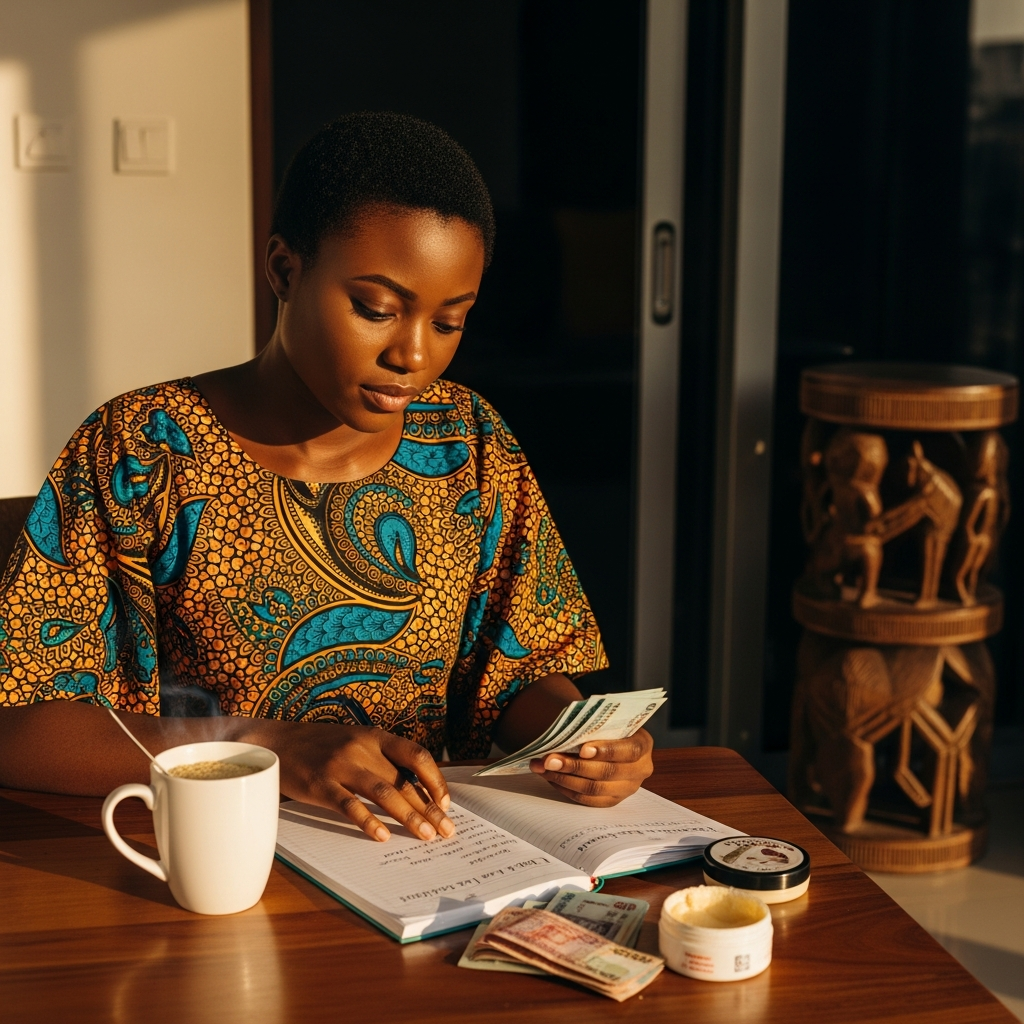
Even with the best plans, it’s easy to stumble. Here are some common mistakes Ghanaians make with their money:
- Not Budgeting: Many people simply spend what they have without tracking where their money goes. Use a budgeting app or a simple notebook to monitor your income and expenses.
- Impulse Buying: Those enticing deals at Makola Market or on Jumia can derail your budget quickly. Always ask yourself,