Unlocking Growth: Your Guide to SME Loans in Ghana

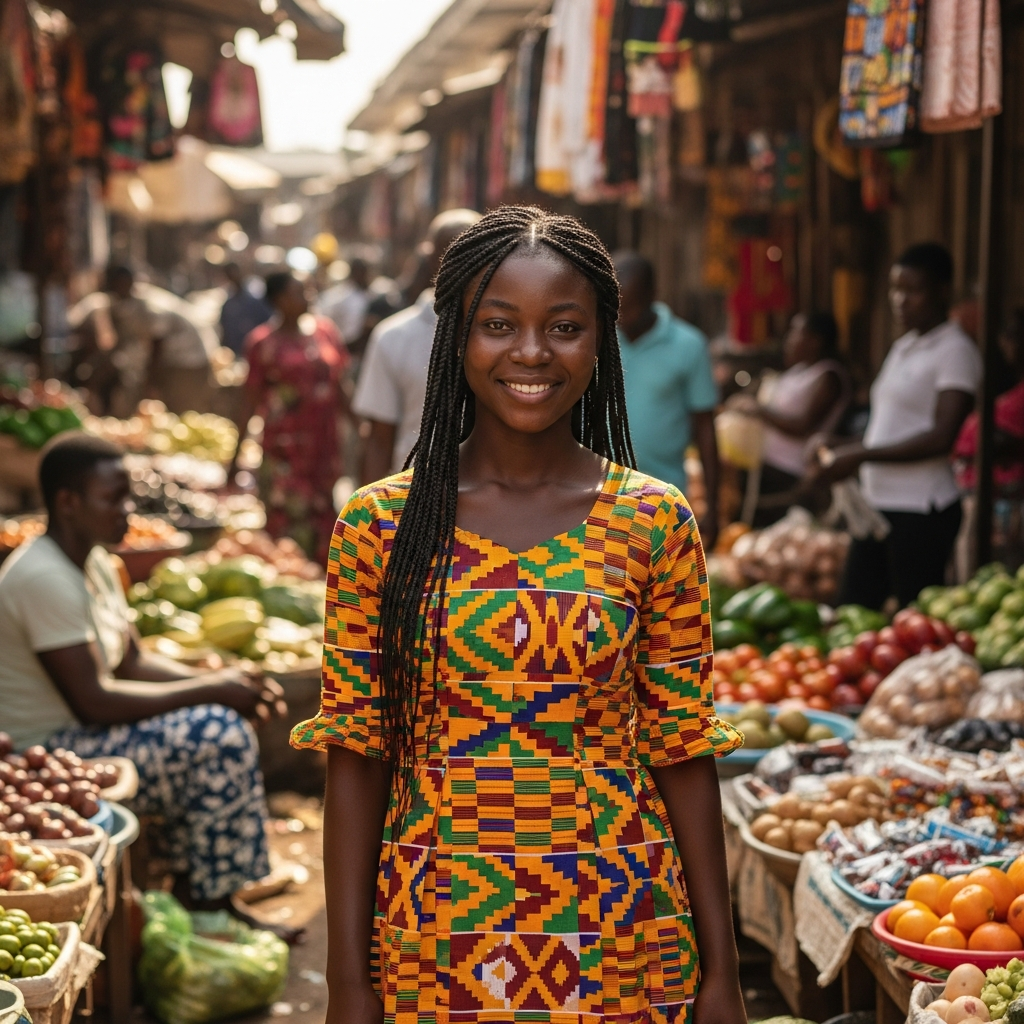
Every morning, across Ghana, a silent revolution takes place. From the bustling markets of Makola to the tech hubs sprouting in Kumasi, determined entrepreneurs are turning their visions into vibrant businesses. They are the backbone of our economy, creating jobs and injecting life into our communities. But let's be honest, chasing that dream often hits a major roadblock: access to capital. This is where SME loans in Ghana step in, offering a vital lifeline for growth.
At VibesGH, we understand that securing the right financing can feel like navigating a trotro route without a conductor. That’s why we’ve put together this practical guide, framed as a Q&A, to demystify SME loans and help you put your business on the path to expansion.
What Exactly Are SME Loans, Anyway?
Think of an SME loan as a financial boost tailored specifically for Small and Medium-sized Enterprises – that’s you, the market woman expanding her waakye joint, the Ghallywood costume designer buying new sewing machines, or the tech startup needing funds for a new server. Unlike personal loans, these are designed to help your business with specific needs: buying inventory, upgrading equipment, hiring more hands, or even just managing daily cash flow while you wait for clients to pay. They come with terms and conditions suited for business operations, focusing on your business’s ability to repay, not just your personal income.
Why Are SME Loans So Crucial for Ghanaian Businesses?
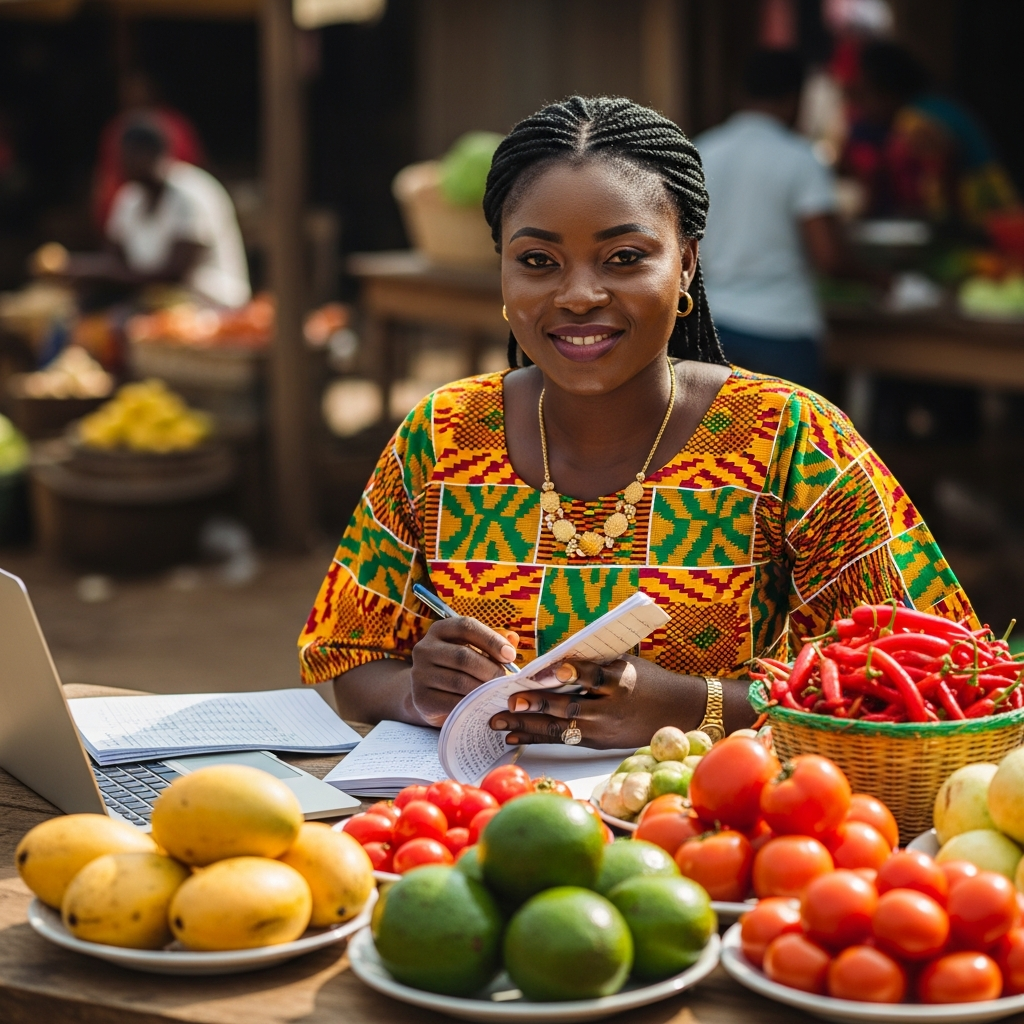
Ghana’s economy thrives on the energy of SMEs. They contribute significantly to our GDP and are major employers, offering opportunities from Accra to Tamale. For many, especially our youth, entrepreneurship isn't just a choice; it's a vibrant path to progress. However, without adequate funding, even the most brilliant ideas can wither. SME loans in Ghana empower these businesses to move beyond survival, to innovate, expand, and compete. Imagine that small kente weaving business in Bonwire that dreams of exporting; an SME loan could be the key to buying more looms and raw materials, transforming that dream into a reality and bringing Ghanaian craftsmanship to the world.
Where Can You Find SME Loans in Ghana?

The good news is that the lending landscape has evolved, offering more options than ever before. You’ll find SME loans primarily from a few sources:
- Commercial Banks: Most major banks in Ghana, like GCB, Absa, Stanbic, Fidelity, and Ecobank, have dedicated SME departments. They often offer a range of products, from working capital loans to asset financing.
- Microfinance Institutions (MFIs): These are excellent for smaller businesses, often with less stringent requirements than commercial banks. They focus on financial inclusion and empowering local entrepreneurs.
- Savings and Loans Companies: Similar to MFIs, these institutions provide tailored financial services to various segments, including SMEs.
- Digital Lenders: A newer wave of financial technology (FinTech) companies offers quick, often unsecured loans through mobile apps. While convenient, always scrutinize their interest rates and terms.
Each type of institution caters to different scales of business and risk profiles, so it's worth exploring which one best fits your current needs and size.
What Documents Will Lenders Ask For?
Prepare for some paperwork, but don't let it intimidate you! While requirements vary, you’ll generally need:
- Business Registration Documents: Your business certificate, company regulations, and proof of registration with the Registrar General’s Department.
- Financial Statements: Profit and loss statements, balance sheets, and cash flow projections, typically for the past 1-3 years. Even if it's informal, try to keep clear records.
- Bank Statements: Personal and business bank statements for a period (e.g., 6-12 months) to show your financial activity.
- Business Plan: A clear, concise plan outlining your business model, market analysis, financial projections, and how the loan will be used and repaid.
- Collateral: For secured loans, this could be property, vehicles, or other assets. Some smaller loans might be unsecured or require a guarantor.
- Ghana Card & Tax Clearance: Your national ID and proof of tax compliance from the Ghana Revenue Authority (GRA) are essential.
Start gathering these even before you apply – a well-organized application speaks volumes.
How Can You Boost Your Chances of Loan Approval?
Getting that