Nigeria-Ghana Trade Ties: A Jollof-Flavored Diplomacy?
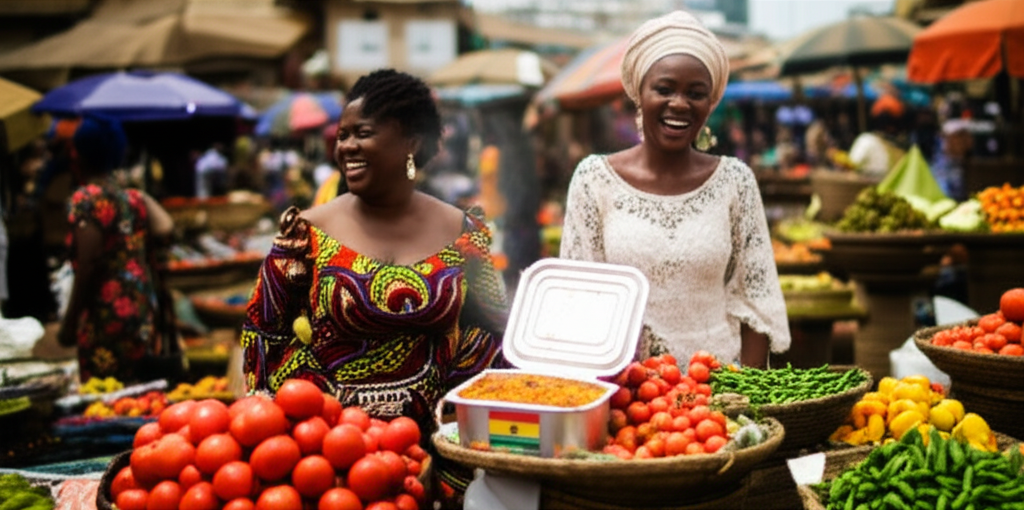
Imagine trying to decide which jollof is better – Ghanaian or Nigerian? That friendly rivalry actually mirrors the bigger picture of Ghana-Nigeria relations: a complex mix of cooperation, competition, and deep-rooted connections. Both countries are giants in West Africa, and their relationship affects everything from trade to travel to the price of imported goods in Makola Market. Let's dive into this fascinating dynamic.
A Shared History, A Divided Pot of Jollof
Ghana and Nigeria share a colonial past under British rule, which, ironically, helped to forge early connections. Nigerians came to Ghana (then the Gold Coast) for various reasons, including military service. This shared history laid a foundation, but independence brought new challenges and opportunities, shaping a unique diplomatic landscape.
Since independence, both nations have played significant roles in African politics and economics. Nigeria, with its vast oil wealth, has often positioned itself as a regional leader. Ghana, on the other hand, has carved out a niche as a stable democracy and a hub for international organizations. Both are active members of the African Union and ECOWAS, working together on regional initiatives. But where do the cedis and naira meet on the ground? Let's explore the reality of Nigeria Ghana relations in terms of trade.
Trade Winds: Opportunities and Obstacles
Trade between Ghana and Nigeria is substantial, with goods flowing in both directions. You'll find Made-in-Nigeria products in Ghanaian shops, and Ghanaian goods are increasingly finding their way into Nigerian markets. Key exports include:
- From Nigeria to Ghana: Oil and gas (obviously!), manufactured goods, and food products.
- From Ghana to Nigeria: Processed foods, cocoa products, and increasingly, tech services.
However, the path isn't always smooth. Trade disputes sometimes arise, often fueled by protectionist policies or concerns about unfair competition. Remember the uproar a few years back about the closure of some Ghanaian-owned businesses in Nigeria? Issues like these can strain relations and impact the flow of goods. Navigating customs, dealing with currency fluctuations (cedis to naira can be tricky!), and ensuring compliance with regulations can be a headache for businesses on both sides.
Case Study: The Tech Startup Scene
One area where collaboration is flourishing is in the tech sector. Ghanaian and Nigerian startups are increasingly partnering to expand their reach across West Africa. For example, a fintech company in Accra might team up with a marketing firm in Lagos to tap into the larger Nigerian market. This kind of cross-border collaboration is creating new opportunities and driving innovation. Imagine a future where you can easily send money via MTN MoMo from Accra to Lagos, powered by a joint Ghanaian-Nigerian tech solution!
Navigating the Diplomatic Dance
Ghana and Nigeria have generally maintained positive diplomatic relations, but like any relationship, there are ups and downs. Both countries recognize the importance of cooperation on issues such as security, regional stability, and economic development. High-level visits, joint commissions, and regular dialogues help to address challenges and strengthen ties.
However, disagreements do occur. These can stem from trade disputes, immigration issues, or even differing perspectives on regional politics. The key is to manage these disagreements constructively and find mutually acceptable solutions. The Ministry of Foreign Affairs in Ghana plays a crucial role in navigating these diplomatic waters.
Tips for Ghanaians Doing Business in Nigeria (and Vice Versa)
So, you're a Ghanaian entrepreneur looking to tap into the Nigerian market? Or a Nigerian businessperson eyeing opportunities in Ghana? Here are a few practical tips:
- Do Your Research: Understand the local market, regulations, and cultural nuances. What works in Accra might not fly in Lagos.
- Build Relationships: Networking is key. Attend industry events, connect with local business associations, and build trust with potential partners.
- Seek Local Expertise: Partner with local experts who understand the legal, financial, and regulatory landscape. Consider consulting with a lawyer or accountant familiar with cross-border transactions.
- Be Patient: Doing business in a new country takes time. Be prepared for delays, bureaucratic hurdles, and cultural differences. Patience and persistence are essential.
- Embrace Technology: Use technology to your advantage. Explore online platforms for market research, communication, and payment processing. Mobile money solutions like MTN MoMo and similar Nigerian platforms can facilitate cross-border transactions.
The Future: Brighter Together?
The future of Nigeria Ghana relations hinges on continued cooperation, open dialogue, and a commitment to addressing challenges constructively. By fostering stronger trade ties, promoting cultural exchange, and working together on regional initiatives, both countries can unlock new opportunities and drive economic growth. Perhaps one day, we'll even settle the jollof debate once and for all (though that might be wishful thinking!).
Ultimately, the relationship between Ghana and Nigeria is a vital one for West Africa. By focusing on shared goals and addressing challenges head-on, both nations can build a brighter future for themselves and the region as a whole. Keep building, keep connecting, and keep exploring those exciting opportunities!