Africa, the Middle East Crisis, and You: Unpacking the Myths
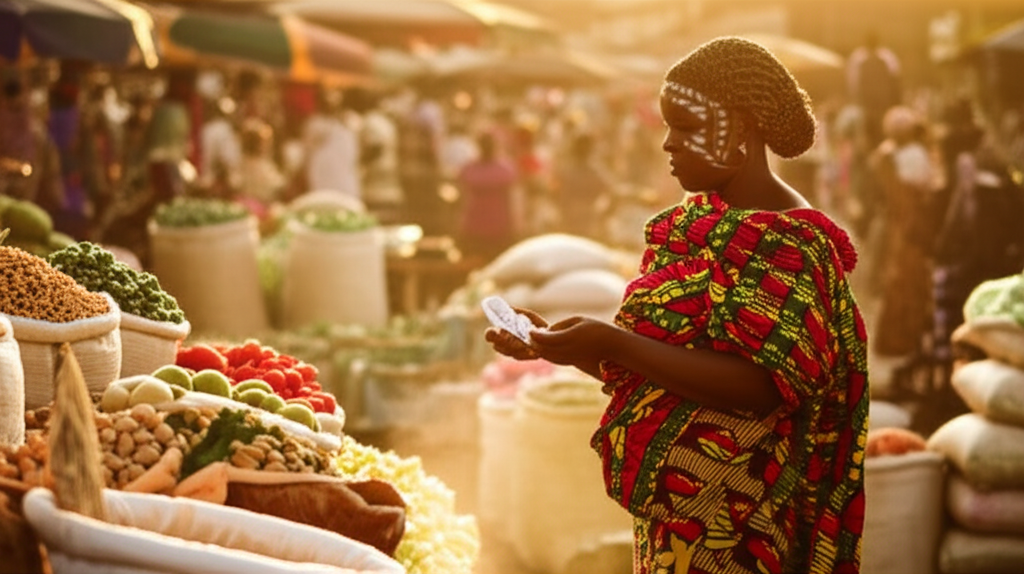
Ever heard someone say, "Ah, what happens in Israel doesn't affect my banku here in Accra?" That's a sentiment many share, but is it true? Let's bust some myths about how conflicts far away can hit our pockets right here in Ghana, and how we can prepare for it. Recent tensions in the Middle East have sent ripples across the globe, and Africa, including Ghana, isn't immune. So, how exactly does a crisis thousands of miles away impact the price of your jollof? Let's dive in.
Myth 1: "It's Just Politics, Doesn't Affect Me"
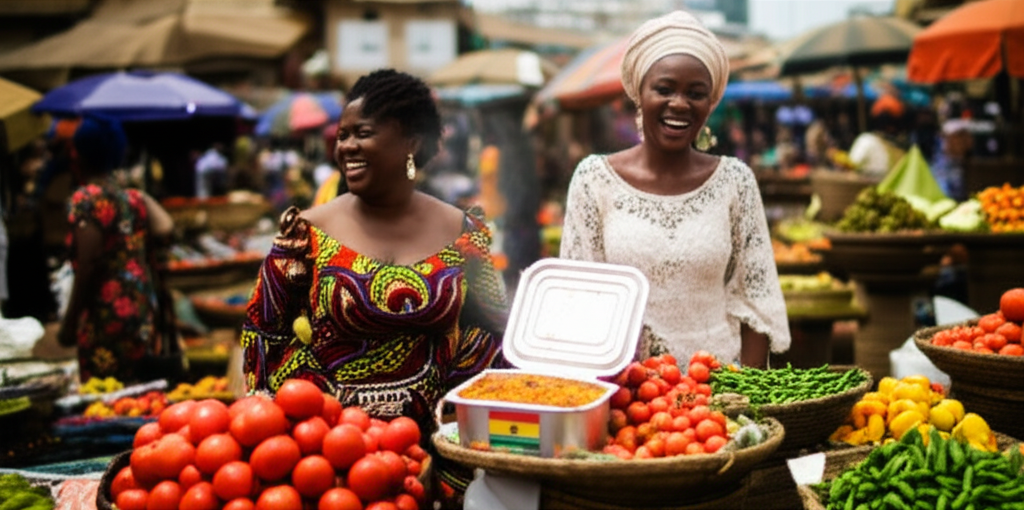
Reality: Politics and economics are like Banku and pepper – inseparable! When there's instability in regions crucial for global trade (like the Middle East, with its oil routes), it affects everything. Think about it: Ghana imports a lot, from fuel to food. Conflict can disrupt supply chains, leading to higher prices at the pumps and in the market.
How it Hits Home: Imagine 'trotro' fares suddenly jumping because fuel prices have shot up. Or the price of your favorite waakye doubling because the cost of imported rice has increased. These are real possibilities. A conflict in the Middle East can affect the price of goods and services right here in Ghana.
Myth 2: "Africa is Too Small to Matter"
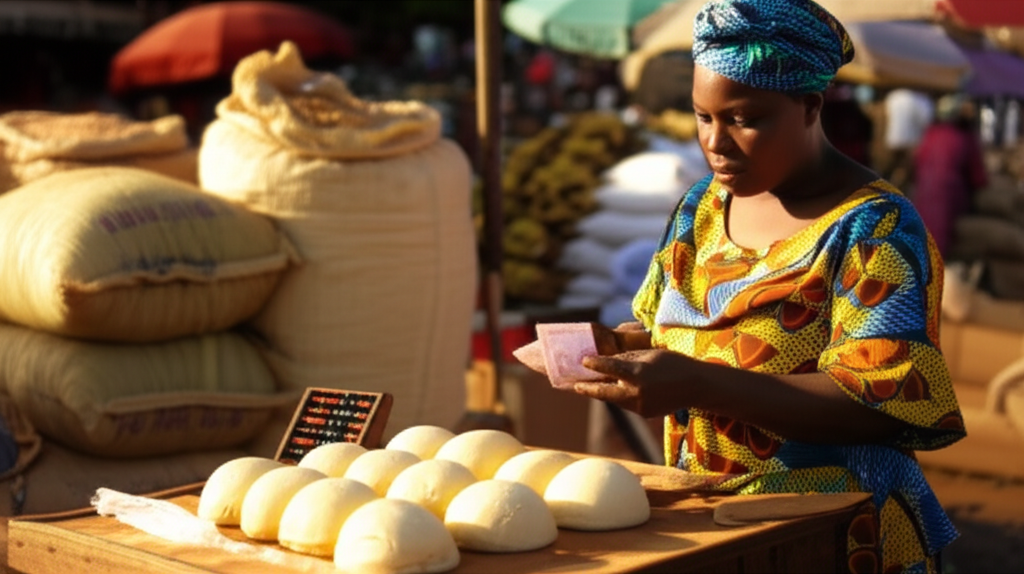
Reality: Africa's voice and resources are more critical than many think. The African Union (AU) and ECOWAS (Economic Community of West African States) are key players in advocating for peace and stability. When these organizations speak, the world listens, even if sometimes it doesn't feel like it quickly enough. Moreover, disruptions to global trade routes affect African economies that rely on exports and imports.
How it Hits Home: ECOWAS urging restraint isn't just for show. It's about protecting regional trade, ensuring stable food supplies, and preventing economic shocks that could devalue the cedi and make life harder for the average Ghanaian. Remember the last time the cedi took a tumble? Imported goods became instantly more expensive.
Myth 3: "There's Nothing I Can Do About It"
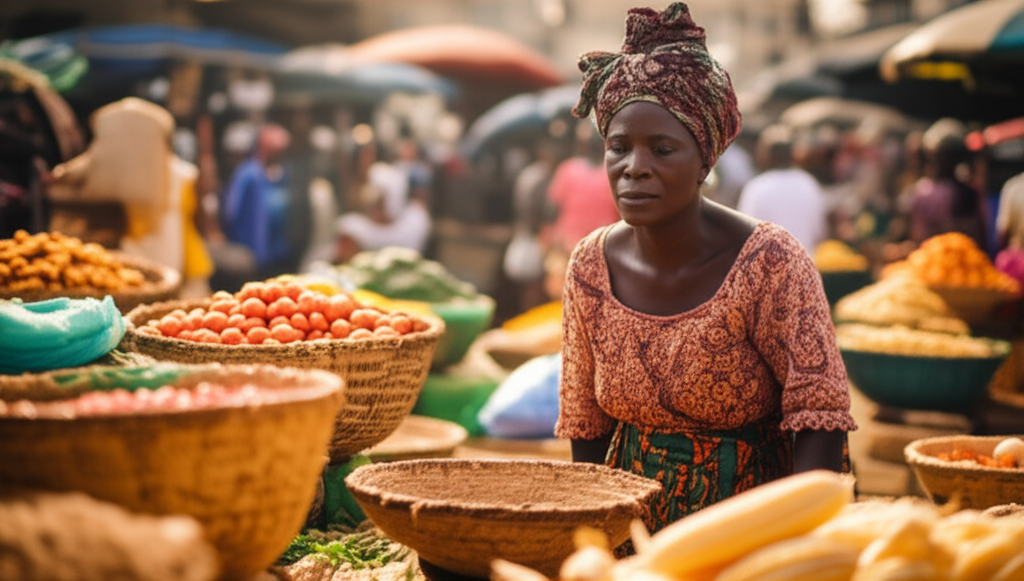
Reality: While you can't directly control international conflicts, you can take steps to protect yourself financially and contribute to solutions.
Practical Tips for the Everyday Ghanaian:
- Diversify Your Income Streams: Don't put all your eggs in one basket. Explore side hustles. Can you sell snacks, offer mobile money services, or provide tutoring? Every little bit helps.
- Budget Wisely: Track your spending. Use mobile banking apps from local banks like GCB or Fidelity to monitor where your money goes. Identify areas where you can cut back. Could you reduce your data usage or cook at home more often?
- Invest in Local Goods: Support Ghanaian businesses. Buy locally made products whenever possible. This strengthens our economy and reduces reliance on imports. Instead of that imported rice, grab some Ghana rice!
- Save Strategically: Explore high-yield savings accounts or investment options through reputable institutions. Even a small amount saved regularly can provide a buffer during tough times. Consider fixed deposit accounts with CalBank or Stanbic Bank.
- Stay Informed: Keep up with current events, but don't panic. Reliable news sources like VibesGH can help you understand what's happening and how it might affect you. Avoid spreading unverified information on social media.
- Support Peace Initiatives: Advocate for peace through dialogue and engagement. Contact your local representatives and encourage them to support peaceful resolutions to conflicts.
Myth 4: It won't affect 2026 World Cup
Reality: Instability in any region can affect global events. While the 2026 World Cup seems far off, economic disruptions caused by conflict could impact infrastructure development, travel costs, and overall event planning.
How it hits home: Imagine if the cedi weakens significantly, making it more expensive for Ghana to participate or for fans to travel to matches. Or, consider potential security concerns that could arise from wider instability, impacting the overall experience.
The Bigger Picture: ECOWAS and the AU
It's not all doom and gloom. Organizations like ECOWAS and the AU are actively working to mitigate the negative impacts of these crises. They're pushing for peaceful resolutions, advocating for fair trade practices, and seeking ways to strengthen African economies. Supporting these organizations, even through small actions like staying informed and promoting their initiatives, can make a difference.
Final Thoughts
The world is interconnected. What happens in one place can affect us all, even here in Ghana. But by staying informed, taking proactive steps to protect ourselves financially, and supporting efforts for peace and stability, we can weather the storm. Don't feel helpless; feel empowered. You have more agency than you think! So, go out there, make smart choices, and let's build a more resilient Ghana, one cedi at a time.