Navigating the Cost of Living in Ghana: Your Guide

Picture this: you're hailing a trotro from Lapaz, the sun beating down, and you overhear a conversation about the price of everything going up. From the market mammy complaining about tomatoes to the taxi driver sighing over fuel, it's clear that the discussion around the cost of living in Ghana is more than just talk; it's a daily reality for many of us. Whether you're a recent graduate starting your first job, a seasoned professional planning for your family, or even someone considering moving back home, understanding how your hard-earned cedis fare against everyday expenses is crucial. At VibesGH, we get it. We hear your concerns, and we're here to break down what's really happening with our cost of living and, more importantly, what you can do about it. Let's dive into some questions we know are on your mind.
Is Living in Ghana Truly Expensive Compared to Other Places?
It's a question we often ask, especially when we see our friends abroad posting about their lives. While comparing Ghana to countries like Australia, you'll find significant differences. For instance, childcare, housing, and even a casual meal out in Australia can be much more expensive than here. A simple two-bedroom apartment in a major Australian city could set you back what you'd pay for a mansion in some parts of Accra! However, this doesn't mean Ghana is inherently cheap. The concept of "cost of living" is relative. What's considered expensive here is the cost of a typical life in Ghana, measured against local incomes and purchasing power, not just a fixed global standard. So, while you might find local produce affordable in Kumasi's markets, imported goods in Accra malls can hit your pocket hard. Think about it: a plate of waakye might be a bargain, but importing that fancy foreign gadget often comes with a hefty price tag due to duties and exchange rates.
What's Driving the Cost of Living in Ghana These Days?

This is the million-cedi question, isn't it? Several factors contribute to the ebb and flow of the cost of living in Ghana. Global events, like fuel price hikes or supply chain disruptions, inevitably ripple down to our local economy, affecting everything from trotro fares to the price of kenkey. Our cedi's performance against major foreign currencies also plays a huge role; when the cedi weakens, imported goods – from medicines to electronics – become more expensive. Add to this local inflation, which affects the price of staple foods and services, and it's easy to see why managing your budget feels like a constant puzzle. Government policies, taxes (like the e-levy on mobile money transactions), and even seasonal changes in agricultural output can all tweak the prices you see at Makola or Kejetia. It's a complex web, but understanding these drivers is the first step to navigating the situation.
How Can I Cope with the Rising Cost of Living in Ghana?
This is where VibesGH steps in with practical, actionable tips to empower you. It’s not about magic, but smart choices:
- Master Your Budget with Mobile Money: Your MTN MoMo, Vodafone Cash, or AirtelTigo Money app isn't just for sending money. Use its transaction history to track where your cedis are really going. Many local banks also offer digital tools for budgeting. Set realistic spending limits for categories like food, transport, and entertainment.
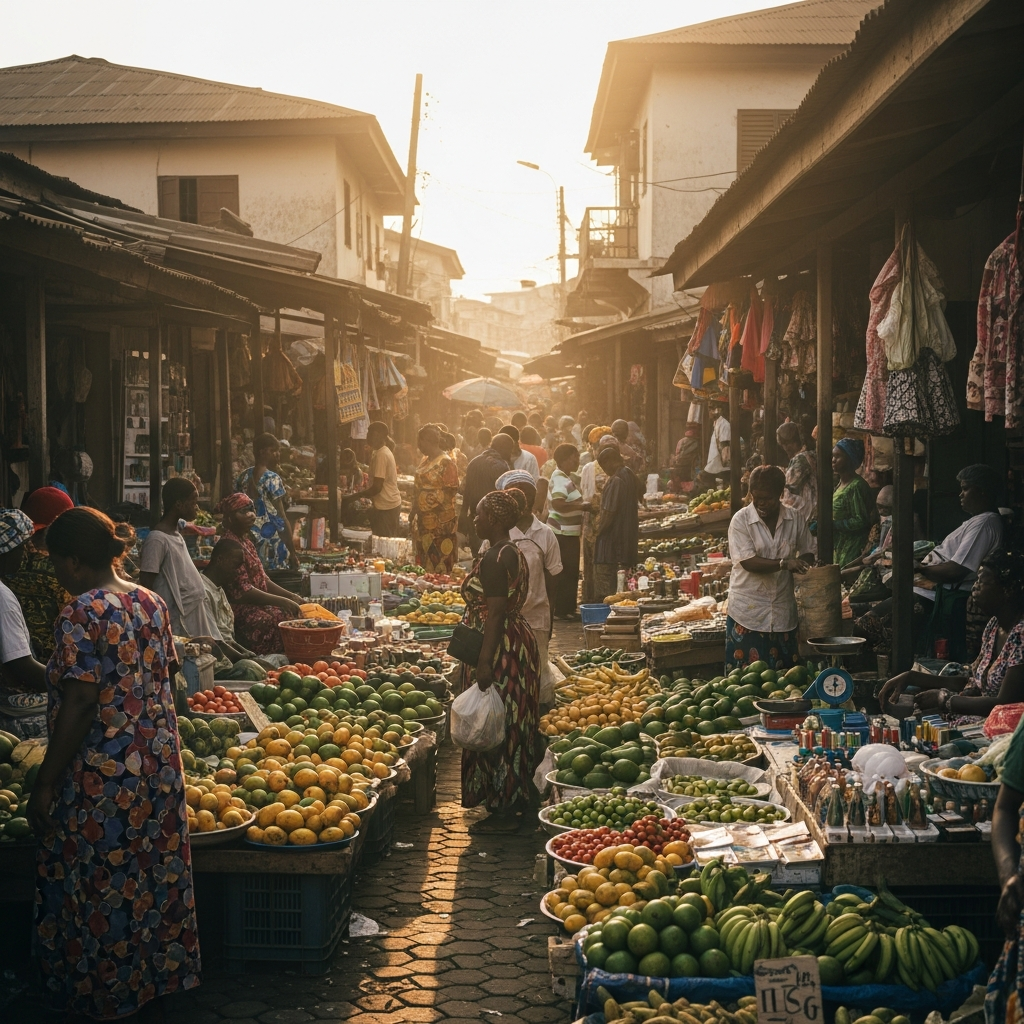
- Shop Smart, Eat Local: Buying seasonal and local produce isn't just patriotic; it's cost-effective. Instead of always heading to the supermarket, explore your local market (e.g., Agbogbloshie, Mallam Atta, or even your community's smaller market) for better deals. Don't be shy to bargain respectfully! Cooking at home more often saves you significant cedis compared to daily takeout or restaurant meals.
- Transport Tactics: Fuel prices are a constant headache. If possible, consider carpooling with colleagues or friends, especially for daily commutes. Embrace public transport like trotros – they're often the most economical choice. For shorter distances, a walk can save you both money and provide some healthy exercise.
- Utility Vigilance: Be mindful of your electricity and water consumption. Simple habits like switching off lights in empty rooms, unplugging chargers, and fixing leaky taps can lead to noticeable savings on your utility bills. It's not just good for your pocket; it's good for Ghana!
- Side Hustles & Skill Monetization: Have a skill? Can you braid hair, fix phones, bake amazing pastries, or offer digital services? Many Ghanaians are leveraging their talents to earn extra income on the side. Even a few extra cedis a week can make a big difference in offsetting the rising cost of living in Ghana.
- Smart Savings & Investments: Don't just save; invest wisely. Explore local options like Treasury Bills, fixed deposits with reputable banks, or even mobile money investment products. Start small, but start consistently. Financial security is a marathon, not a sprint.
Looking Ahead: The Future of Our Cost of Living in Ghana
It’s easy to feel discouraged when prices seem to be climbing faster than a Ghana Telecom pole. But Ghanaians are resilient, resourceful, and always find a way. While we can’t control global economic forces, we can control how we prepare, plan, and adapt. The focus should always be on building personal financial literacy and embracing smart living habits. As Ghana continues to develop, we can hope for greater stability, but until then, empowering ourselves with knowledge and practical strategies is our best defense. Remember, every cedi saved or wisely spent contributes to your personal financial well-being and, collectively, to a stronger Ghana.
Stay informed, stay smart, and keep those VibesGH strong!