Navigating Ghana's Current Affairs: Your Practical Guide
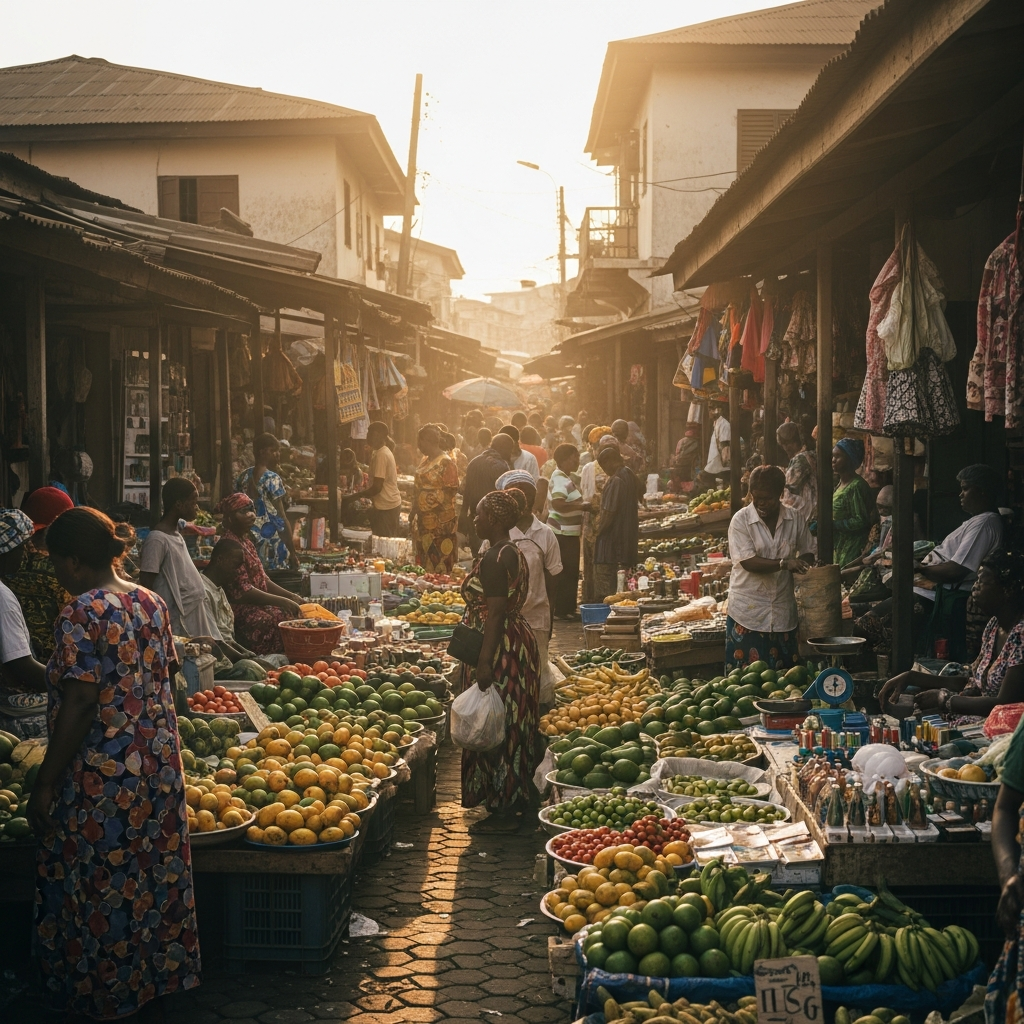
Every morning, as you scroll through your phone or catch the news on the trotro, it can feel like a whirlwind of information. From economic updates affecting your cedis to community issues right outside your door, staying on top of Ghana's current affairs isn't just about being informed – it's about being empowered to make the best decisions for yourself and your family. So, how do you cut through the noise and grab the insights that truly matter? Let's break it down into actionable steps you can take today.
1. Stay Financially Savvy Amidst Policy Shifts
Money matters are always at the heart of our daily Ghanaian life. With the government looking into policies like regulating unclaimed balances in dormant bank accounts to support national development, it’s a good reminder to be extra vigilant with your own finances. What does this mean for you?
- Know Your Accounts: Regularly check all your bank accounts, no matter how small the balance. Don't let an old savings account become dormant without you knowing. Keep your contact details updated with your bank.
- Leverage Mobile Money Safely: MTN MoMo and other platforms are fantastic for daily transactions, but always be alert to scams. Double-check recipient numbers before sending money, and never share your PIN with anyone, not even someone claiming to be from your service provider. Your cedis are precious!
- Understand Economic Trends: Keep an eye on inflation rates and government fiscal policies. This helps you make informed decisions about spending, saving, and even starting that small business. Ghana Business News is a good place to start for broad strokes, but always consider how these policies might impact your specific livelihood, whether you’re a market trader in Kumasi or a tech professional in Accra.
2. Prioritize Your Health and Wellness in Ghana's Current Affairs

Your health is your wealth, and staying informed about public health initiatives and access to care is crucial. Accra Health Journal emphasizes verified health information, and that's a principle we should all adopt.
- Seek Verified Health Info: Before sharing that WhatsApp broadcast about a new 'miracle cure,' check reputable sources like the Ghana Health Service or established medical institutions. Health literacy is key to avoiding misinformation and making sound decisions for your family's wellbeing.
- Utilize Healthcare Services: Understand your NHIS benefits. Knowing what your insurance covers can save you stress and money when medical needs arise. Don't wait until you're sick; preventive check-ups, especially for conditions common in Ghana, can make a huge difference.
- Wellness Beyond Illness: It's not just about treating sickness. Incorporate wellness tips into your routine – whether it's enjoying a balanced meal with local ingredients like banku and okro stew, or taking a brisk walk around your neighbourhood. Small actions lead to big health gains.
3. Understand Local Governance and Community Issues
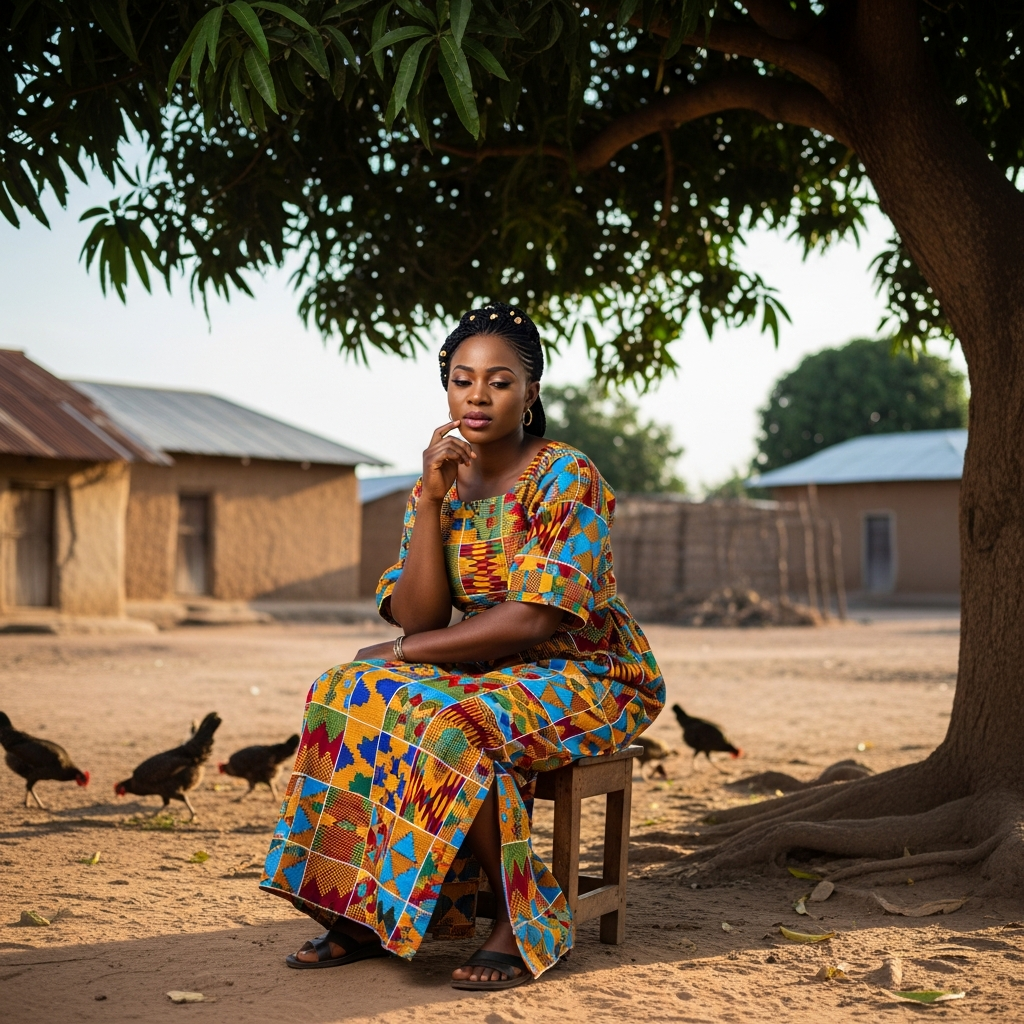
From the bustling streets of Accra to the calm shores of Tamale, community life is what binds us. When the rains come, and with them, the familiar anxiety of flooding in parts of Accra, it highlights the importance of local action and understanding.
- Be Prepared for Environmental Challenges: If you live in a flood-prone area, take proactive steps. Clear drains around your home, secure valuable items, and have an emergency plan. Demand accountability from local authorities regarding urban planning and drainage solutions.
- Engage with Your Local Assembly: Your assembly members are your voice at the local level. Attend community meetings, raise concerns about sanitation, infrastructure, or security. Your participation can lead to tangible improvements in your area.
- Support Local Initiatives: Many NGOs and community groups are working on solutions to local problems, from waste management to improving local schools. Lend your support, whether through volunteering or simply amplifying their message.
4. Embrace Sustainable Living, One Step at a Time
Corporate giants like MTN Ghana are urging their employees to make sustainability a personal responsibility, and that's a call we can all answer. Our daily choices have a ripple effect on our environment and future.
- Reduce, Reuse, Recycle: It might sound cliché, but it’s powerful. Think about how much plastic you use daily. Can you carry a reusable bag for market runs? Can you separate your waste? Even small changes, like properly disposing of plastic bottles instead of littering, help clean up our beautiful Ghana.
- Conserve Resources: Turn off lights when leaving a room, be mindful of water usage, and consider energy-efficient appliances if you're upgrading. Every bit of conservation contributes to a healthier planet and can even save you cedis on utility bills.
- Support Eco-Friendly Businesses: As consumers, our choices send a message. Look out for local businesses that prioritize sustainable practices, from kente weavers using natural dyes to farmers practicing organic agriculture.
5. Engage Responsibly with Political Discourse
Politics is a constant thread in Ghana's fabric, with figures like former NPP Chairman Paul Afoko making pledges about party leadership. Understanding the political landscape is crucial for informed citizenship.
- Stay Informed, Not Inflamed: Read news from various credible sources to get a balanced view. Avoid getting caught up in sensationalism or spreading unverified information, especially on social media. Fact-check before you share.
- Participate Peacefully: Whether it's during election seasons or public debates, express your views respectfully. Ghana's democracy thrives on diverse opinions, but peaceful discourse is paramount. Your vote and your voice matter.
- Focus on Policy, Not Just Personality: Try to understand the policies and manifestos put forth by political parties and leaders. How do these plans address education, healthcare, infrastructure, or unemployment? This helps you make choices based on substantive issues rather than just rhetoric.
Navigating Ghana's current affairs doesn't have to be overwhelming. By focusing on practical steps in your daily life – managing your finances, prioritizing health, engaging with your community, living sustainably, and participating thoughtfully in political discussions – you're not just observing; you're actively shaping the Ghana we all want to see. Stay informed, stay empowered, and keep shining, Ghana!