Navigating the Cost of Living in Ghana: Smart Tips

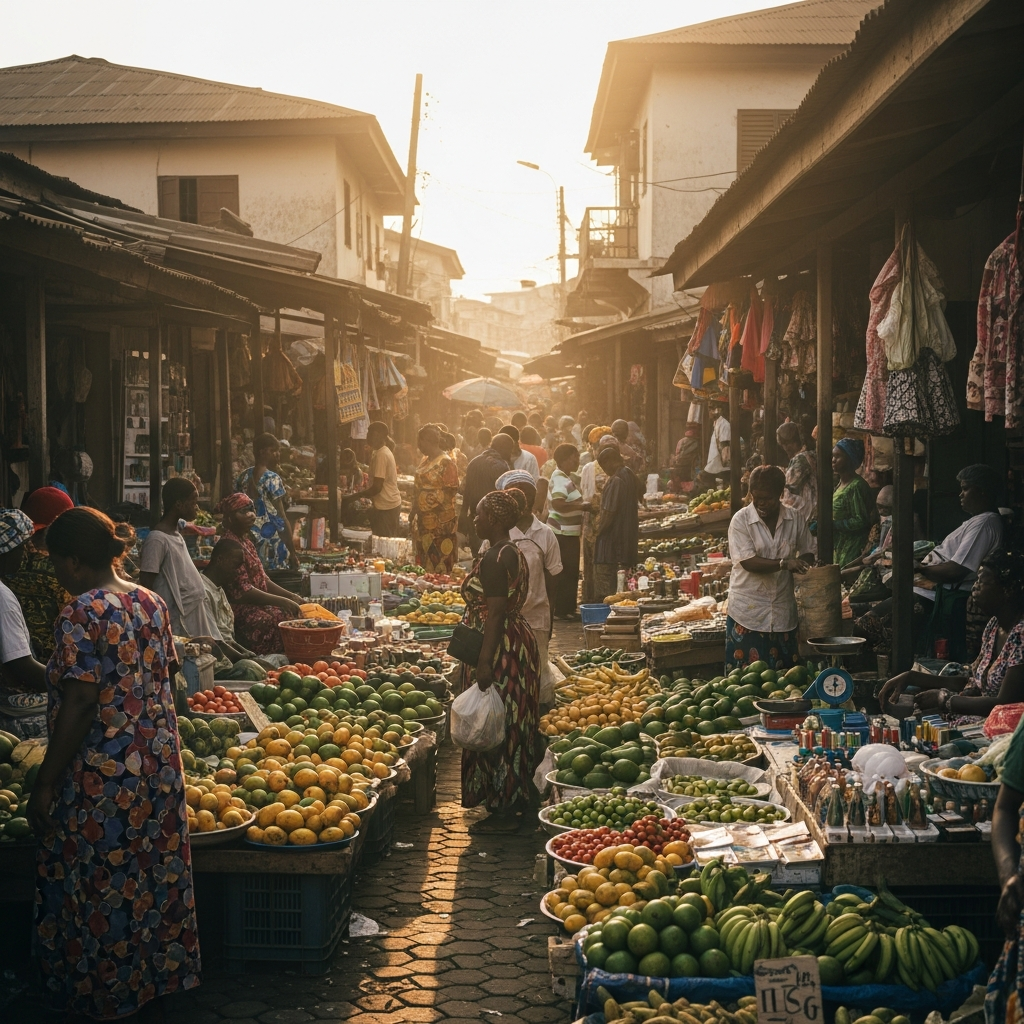
Just the other day, my cousin Ama, who'd been living in Canada for years, came back home to Accra for a visit. She was so excited to experience everything again, from the bustling Makola market to the late-night street food. But after a week, she called me, laughing, 'Charlie, everything has gone up! My cedis are flying faster than a Black Stars winger!' It got us talking about something many of us wrestle with daily: the cost of living in Ghana. It’s a dynamic landscape, and whether you're a recent graduate starting out, a seasoned professional, or someone returning home, understanding where your money goes is key to thriving.
While Ghana often feels more affordable compared to places like Denmark or other Western nations, our local reality comes with its own set of unique expenses and challenges. Let's peel back the layers and see how we can all navigate the daily financial currents.
Understanding the Cost of Living in Ghana: Housing & Utilities
One of the biggest chunks of anyone's budget often goes to putting a roof over their head. In Ghana, particularly in major cities like Accra, Tema, and parts of Kumasi, rent can vary significantly. A two-bedroom apartment in a prime Accra neighborhood will command a much higher price than a similar setup in, say, Tamale or a quieter suburb. You might find a decent single room for a few hundred cedis in some areas, while a one-bedroom self-contained might set you back GHS 800-2000+ depending on the location and amenities.
Practical Tip: Don't be afraid to explore areas slightly outside the city center. Commuting might add a little to your transport costs, but the savings on rent can be substantial. Also, consider flat shares if you're comfortable with it. When it comes to utilities, electricity bills can surprise you, especially with air conditioning use. Monitor your consumption, unplug electronics when not in use, and embrace natural ventilation. Internet services (broadband or mobile data) are essential for many, and comparing packages from providers like MTN, Vodafone, and AirtelTigo can help you find the best value.
Filling Your Plate: Food & Dining in Ghana

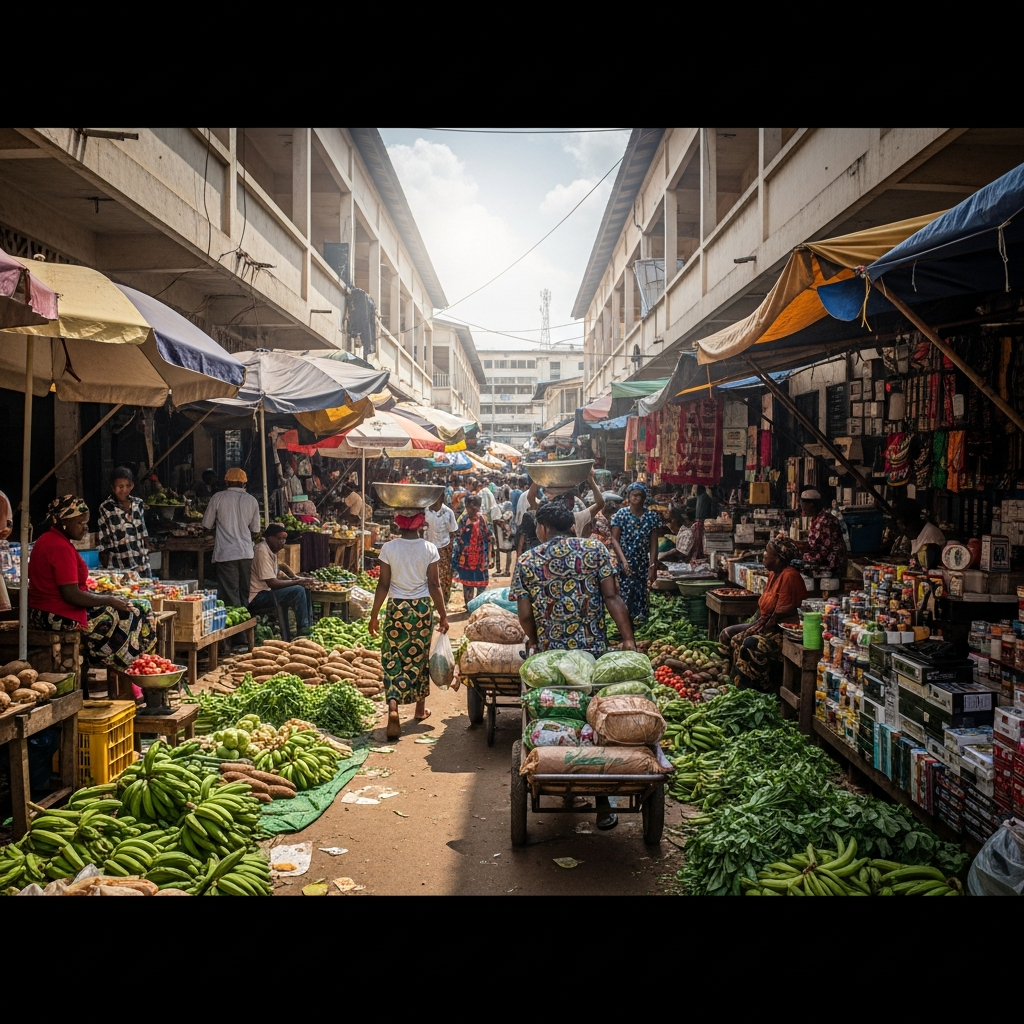
Ah, food – the heart of Ghanaian culture! The good news here is that eating well in Ghana doesn't have to break the bank, especially if you embrace local markets. Fresh produce, staple foods like rice, yam, plantain, and cassava are relatively affordable. A visit to Kejetia market in Kumasi or Kaneshie in Accra can stock your pantry for far less than hitting the major supermarkets.
Street food and local chop bars offer incredible value. A hearty plate of jollof with chicken, waakye, or banku with tilapia from a trusted vendor might cost you anywhere from GHS 15 to GHS 40. Compare that to a meal at a more upscale restaurant, which could easily run you GHS 80-200 per person. For families, cooking at home is almost always the most economical option.
Practical Tip: Make friends with your local market women – they often give better deals to regulars! Plan your meals, buy in bulk where possible (especially for non-perishables), and limit your restaurant visits to special occasions. Learning to prepare some of your favorite local dishes will not only save money but also connect you deeper with Ghanaian culinary traditions.
Getting Around: Navigating Transport Costs
Whether you're battling Accra traffic or moving between towns, transportation is a daily expense. Public transport, primarily trotros, remains the most budget-friendly option for getting around cities. A short trotro ride might cost GHS 2-5, while longer routes are slightly more. For a one-way trip on local transport, similar to what you might find in Tema costing around $3 (approximately GHS 35-40, depending on the exchange rate) if you were traveling internationally, a local trotro will be significantly cheaper within Ghanaian cities.
Ride-hailing apps like Bolt and Yango offer convenience but come at a higher price, especially during peak hours. Fuel prices also factor heavily if you own a car. For inter-city travel, buses like STC or VIP offer comfortable and relatively affordable options.
Practical Tip: If you rely on public transport, try to understand the routes well to minimize transfers. Consider a monthly transport pass if available in your area for regular commutes. For ride-hailing, check prices across different apps before booking, and consider carpooling with colleagues or friends. For shorter distances, walking is free and great for your health!
Beyond the Essentials: Lifestyle & Leisure
Life isn't just about bills! Ghana offers a vibrant lifestyle, from watching the Black Stars play to enjoying Ghallywood movies. The cost of entertainment is generally manageable. A cinema ticket might be GHS 50-80, while attending a local football match could be less. Exploring Ghana's beautiful beaches or historical sites like Cape Coast Castle can be done on a budget, especially if you pack your own snacks and drinks.
Clothing can range from very affordable (think second-hand clothes, obroni wawu, or getting custom outfits from a local tailor using beautiful kente or African print fabrics) to high-end fashion. Childcare, as noted in comparisons, is also typically more affordable here than in many Western countries, though quality and cost will vary.
Practical Tip: Look for free or low-cost activities like local festivals, community events, or simply enjoying the lively atmosphere of a local market. Embrace Ghanaian fashion by supporting local tailors and designers – it’s often more unique and sustainable. For healthcare, ensure you have your NHIS active; it significantly reduces the cost of medical services.
Mastering Your Money: Practical Tips for Ghana's Cost of Living
Navigating the cost of living in Ghana doesn't have to be a guessing game. Here are some actionable steps to empower your finances:
- Budget Like a Pro: Know where every cedi goes. Use a simple notebook, a spreadsheet, or a budgeting app. Track your income and expenses diligently. Many local banks offer apps that can help you categorize spending.
- Embrace Mobile Money: MTN MoMo, Vodafone Cash, and AirtelTigo Money are not just for sending and receiving cash. Many services, including bill payments and even some market vendors, accept mobile money. Use your transaction history to review spending.
- Prioritize Needs Over Wants: Before making a purchase, ask yourself if it's a necessity or a luxury. Distinguishing between the two is crucial for saving.
- Harness Local Resources: From fresh produce at markets to local artisans, Ghana offers a wealth of affordable, high-quality goods and services. Support local businesses.
- Save, Save, Save: Even small amounts add up. Set a savings goal and automate transfers to a separate account if your bank offers it. Consider investing in safe, local options like Treasury Bills or fixed deposits.
Ghana is a land of opportunity and vibrant culture. While the cost of living can present its challenges, with a little planning, smart choices, and a good understanding of the local landscape, you can make your cedis work harder for you. Here at VibesGH, we believe in empowering you with practical insights to thrive. So go on, apply these tips, and make the most of your Ghanaian experience!