Navigating the Cost of Living in Ghana: Smart Moves for Your Cedi

Have you ever sat down after a long day, perhaps enjoying some waakye, and found yourself wondering, 'Where did all my cedis go this month?' It’s a common thought many Ghanaians share, whether you're hustling in Accra, building a life in Kumasi, or thriving in Tamale. The truth is, managing our daily finances and understanding the cost of living in Ghana has become a vital skill, almost as essential as knowing how to navigate Accra's traffic during rush hour. We've all seen prices fluctuate, from the cost of kenkey to fuel, and it's easy to feel like our pockets are shrinking. But what if we told you there are smart, practical ways to take control and make your money work harder for you right here at home? Let's dive deep into this and uncover some actionable insights you can use today.
Understanding the Cost of Living in Ghana: Where Your Cedis Go
Many of us have friends or family abroad who marvel at how much cheaper life seems in Ghana compared to places like Australia, where childcare or housing costs can be astronomically higher. And it's true, in many aspects, our beautiful nation offers a more affordable lifestyle. However, this doesn't mean we don't feel the pinch of everyday expenses. For the average Ghanaian, the cost of living in Ghana is a daily reality that demands careful thought and planning.
Think about it: rent in a bustling area of Accra, the daily trotro fares, the price of a full bucket of tomatoes at Makola or Kejetia market, or even your monthly electricity and water bills from ECG and Ghana Water Company. While specific data for every single locality, like Tema, might sometimes be hard to get a complete picture of, our lived experiences tell a powerful story. Fuel prices impact everything, from the cost of transporting your favorite jollof ingredients to the fare for a ride-hailing service. Services, education, and even entertainment contribute significantly to our monthly outflow of cedis.
Understanding where your money goes is the first step. Is it mostly on transport because your workplace is far? Or are you spending a lot on food because you often eat out? Pinpointing these areas will help you tailor a strategy that truly works for your unique situation.
Smart Strategies to Tackle the Cost of Living in Ghana

Now for the good stuff – practical tips to help you reclaim control over your finances and make your cedis stretch further. These aren't just theories; they're habits that real Ghanaians use every day to live comfortably and save for the future.
1. Budgeting is Your Best Friend, Not a Foe
Forget complicated spreadsheets if they're not your thing. Start simple: a small notebook, a note on your phone, or a simple app. Track everything you spend for a month. You’ll be surprised where your money truly goes. Once you know, you can set limits. For example, allocate a specific amount for food, transport, and 'chop money' each week. Companies like MTN MoMo now offer savings features that can help you separate funds for different purposes.
2. Master Your Meal Prep and Market Runs
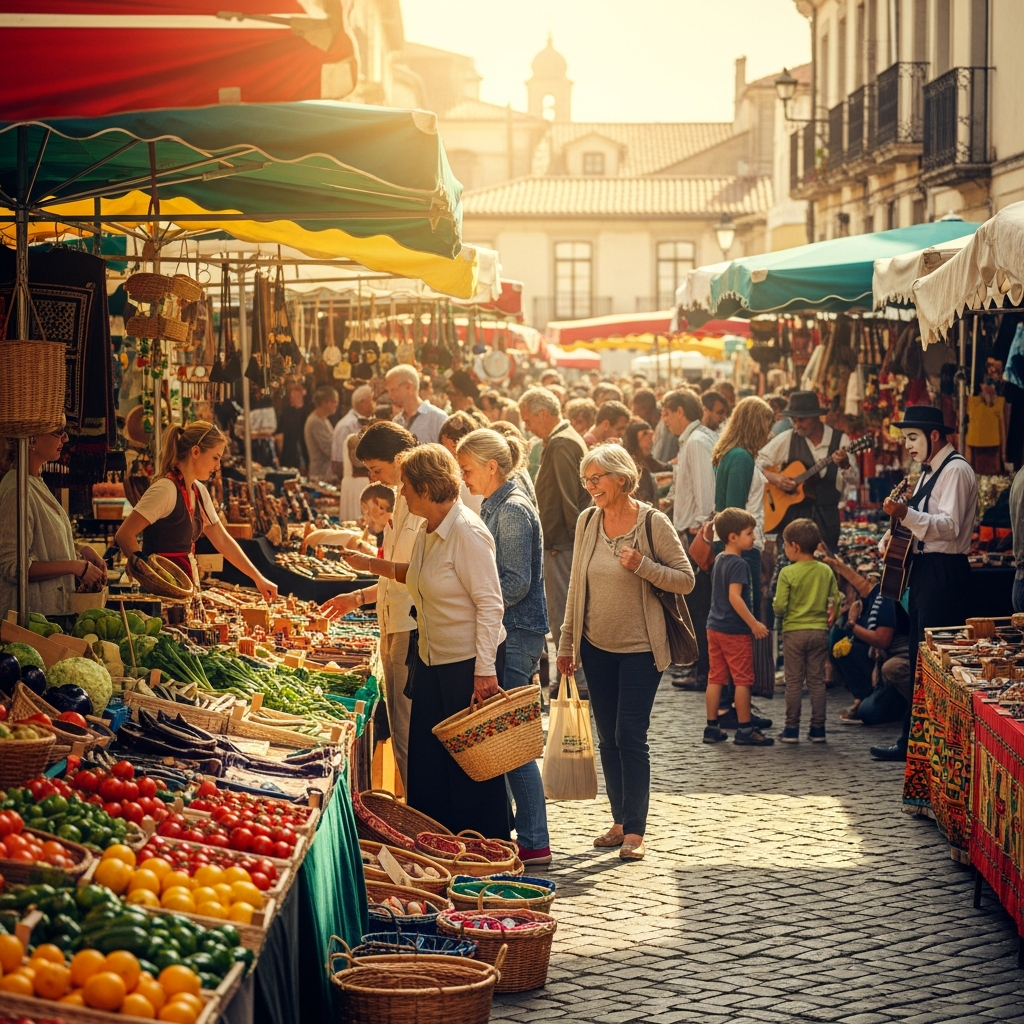
Eating out, while convenient, can quickly drain your wallet. Make cooking at home your default. Embrace our local markets – Makola, Kejetia, or even your local community market – for fresh, affordable ingredients. Buying in season (think mangoes when they're plentiful, or garden eggs when they're cheap) and in slightly larger quantities can save you a lot. Plan your meals for the week to avoid impulsive, expensive food purchases.
3. Navigate Transport Like a Pro
Public transport, especially trotros, remains the most cost-effective way to move around our cities. If you're consistently using ride-hailing apps, consider if carpooling is an option or if a trotro route can get you close enough. For shorter distances, a brisk walk is not only free but great for your health! If you own a vehicle, group errands to save on fuel and consider efficient routes.
4. Housing Hacks for a Lighter Load
Rent is often one of the biggest expenses. Don't be afraid to negotiate, especially when renewing. Consider areas slightly outside the prime city centers; a short trotro ride might save you hundreds of cedis monthly. If you're single, exploring a roommate situation with a trusted friend can significantly cut down costs.
5. Utility Wisdom: Save Where You Can
Mindful use of electricity and water can make a huge difference. Switch off lights when leaving a room, unplug appliances when not in use, and consider energy-saving bulbs. For water, fix any leaky taps promptly – those drops add up on your Ghana Water Company bill!
6. Savvy Savings and Smart Investments
Beyond just cutting expenses, make saving a priority. Set up a standing order with your bank or use a mobile money service like MTN MoMo or Vodafone Cash to automatically move a portion of your income into a separate savings account each month. Explore low-risk investment options offered by reputable local banks or financial institutions if you're ready to grow your money.
7. Embrace Local Entertainment
Instead of expensive nights out, enjoy free community events, visit local parks or beaches, or host a Ghallywood movie night at home with friends over some chilled bissap. Learning a new skill like kente weaving or drumming can also be a fulfilling and cost-effective pastime.
The cost of living in Ghana might feel like a constantly shifting landscape, but with a bit of planning, local insight, and consistent effort, you absolutely can make your cedis work harder for you. Think of these tips not as rigid rules, but as tools in your financial toolkit, helping you build a more comfortable and secure future right here in our beloved Ghana. Share your own smart tips with us – let's help each other thrive!