Cost of Living Ghana: Busting Myths & Boosting Your Wallet

Let's be honest, we've all heard it: "Ghana is so cheap!"—often from someone who spent a week in a resort or is comparing it to Zurich. But for those of us navigating the bustling markets of Makola, paying utility bills, or planning our trotro routes from Kasoa to Accra, the real cost of living in Ghana tells a different story. It’s not just about what you buy; it’s about how you manage it to truly thrive here. Forget the myths; today, we're diving deep into the actual numbers and smart strategies to make your cedis stretch further in our beloved country. Understanding the cost of living in Ghana is key to financial peace.
Unpacking the Real Cost of Living Ghana: It's More Than Just Rent
While Ghana can indeed offer a more affordable lifestyle compared to places like Australia (where childcare, housing, and entertainment can make your head spin!), that doesn't mean it's a free-for-all. Daily expenses can quickly add up if you're not intentional. Here are practical ways to navigate and conquer the cost of living in Ghana:
1. Housing: Your Cedis' Biggest Crunch
Rent is often the heaviest burden on anyone’s budget. While living in a prime area of Accra or Kumasi might mean a significant chunk of your income goes to rent, stepping a bit further out can offer considerable savings. For instance, renting in a less central area like Adenta or Kasoa, even with the added transport time, can be far more wallet-friendly than Cantonments or East Legon. Always try to negotiate rent, and be prepared for the common practice of paying 1-2 years in advance. If you're flexible, consider sharing accommodation or exploring smaller towns like Tamale for even lower costs.
- VibesGH Tip: When looking for a place, check out local agents, word-of-mouth recommendations, and online platforms. Don't be shy to haggle respectfully.
2. Food: From Market to Table, Smartly
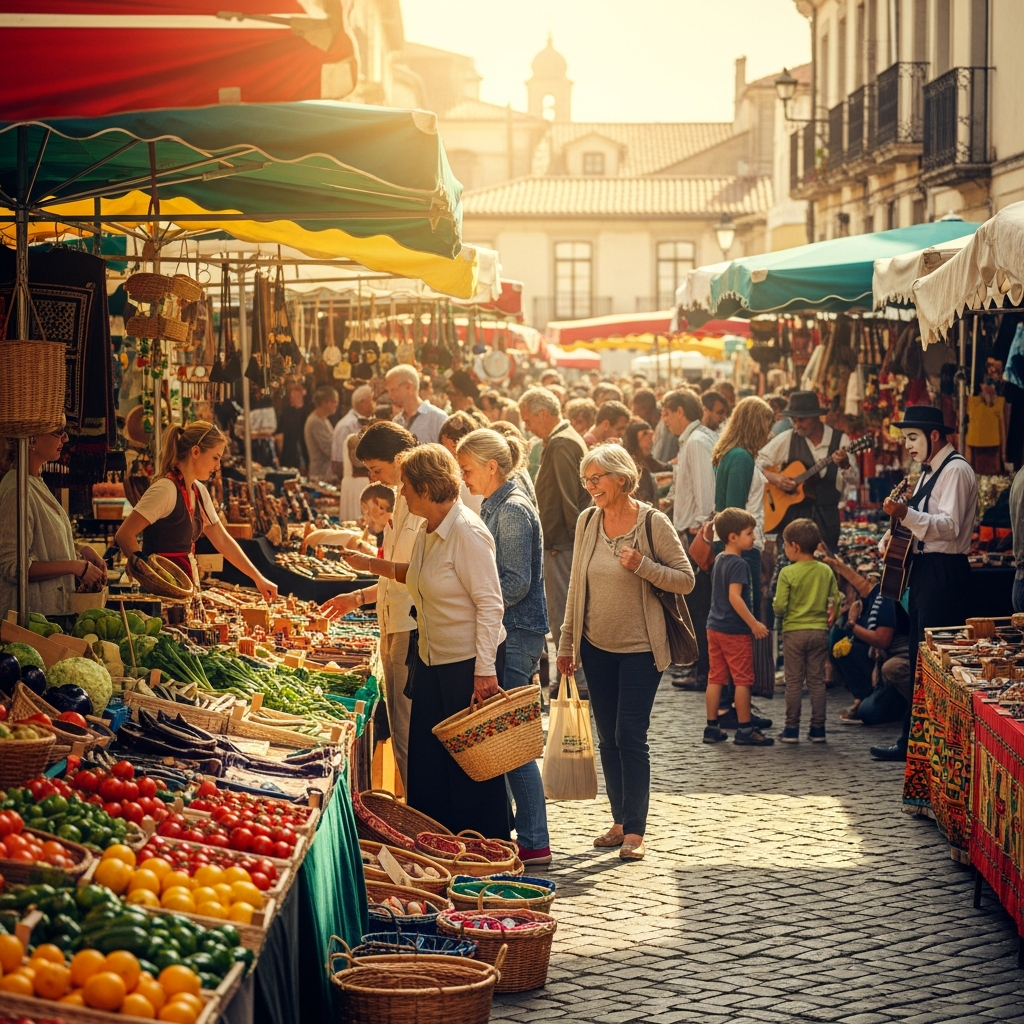
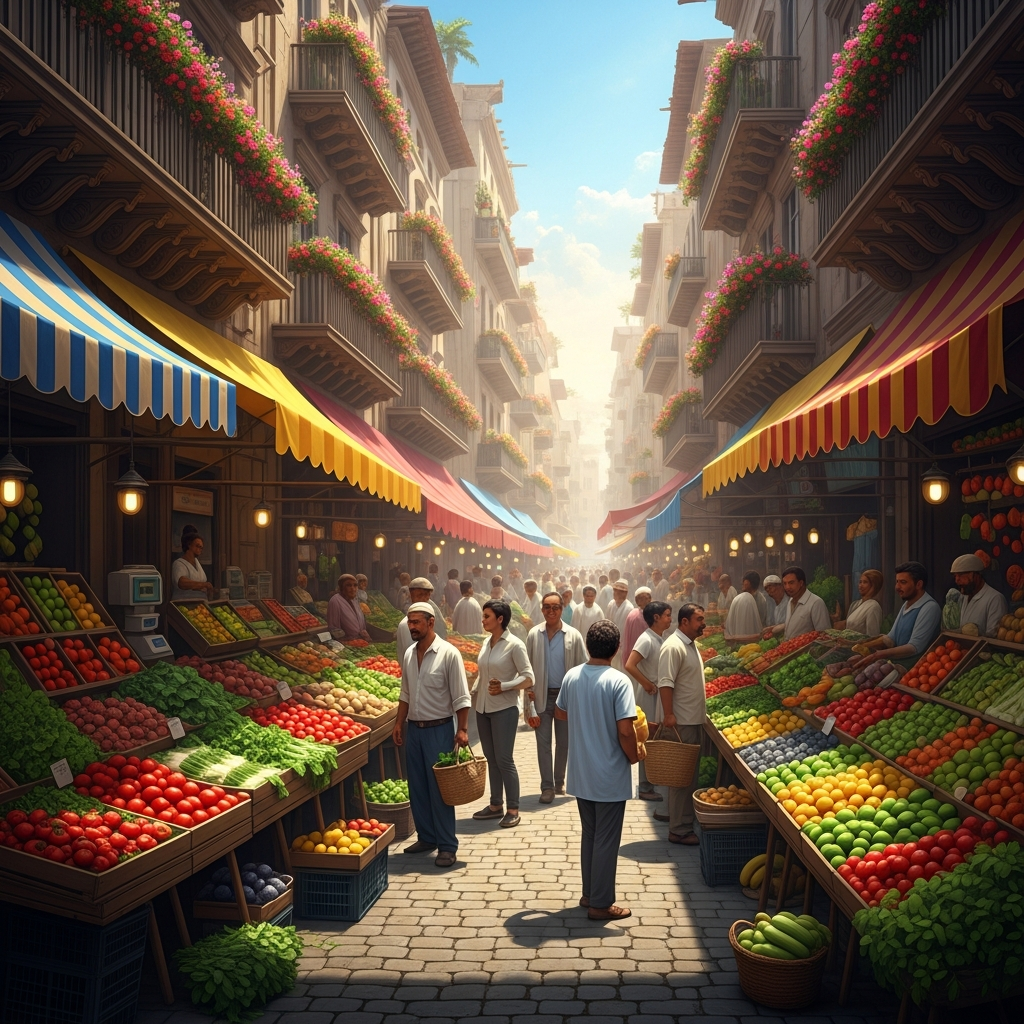
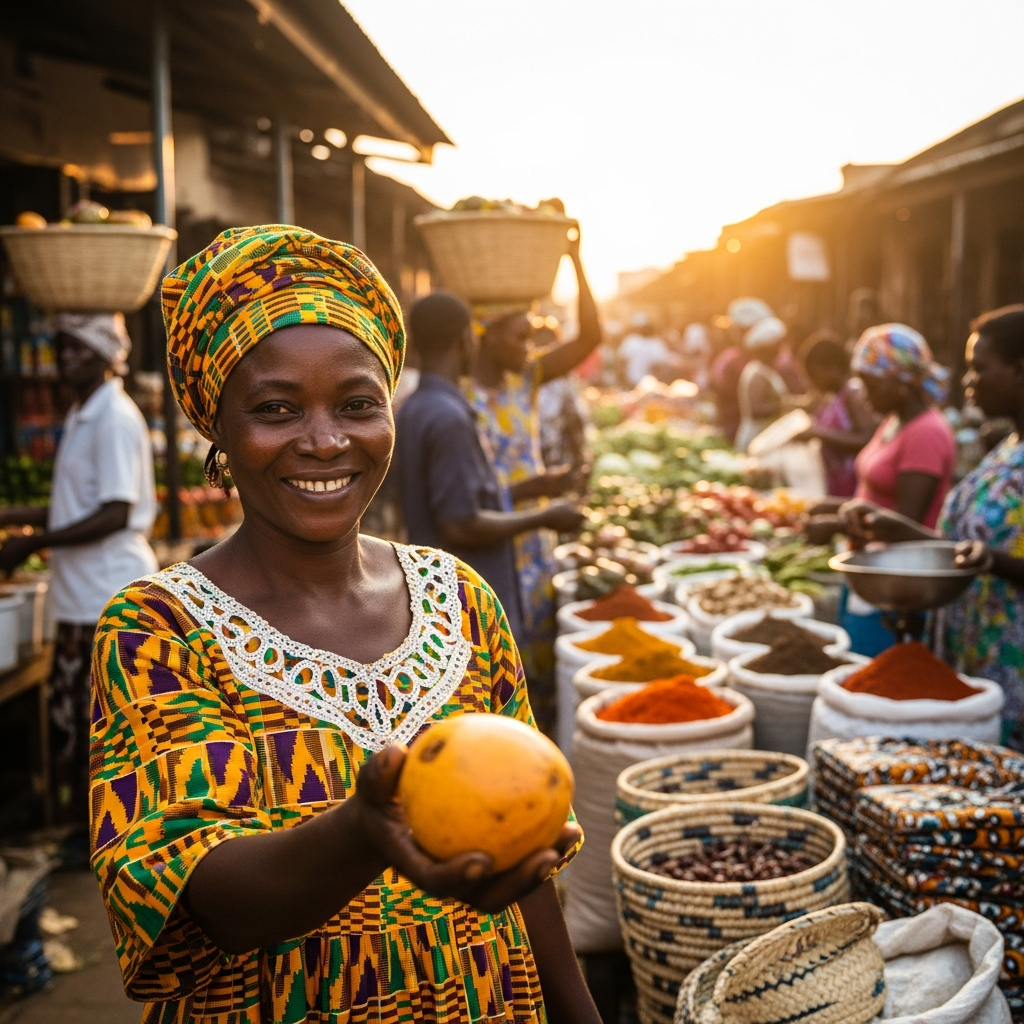
Eating out frequently, especially at high-end restaurants, will quickly deplete your funds. The secret to managing food costs lies in the market. Shopping at local markets like Makola, Kejetia, or even your neighbourhood roadside vendor for fresh produce, yam, plantain, and garden eggs is far cheaper than relying solely on supermarkets. Cooking at home doesn't just save money; it often means healthier, more delicious meals. Embrace staples like jollof, banku, fufu, and waakye, which are both affordable and satisfying.
- VibesGH Tip: Plan your meals for the week. This helps you create a shopping list and avoid impulse buys. Buy in bulk for non-perishables if you have storage space.
3. Transportation: Navigating Our Roads Without Breaking the Bank
Getting around can be a significant cost. Trotro fares are generally the most economical, though they come with their own unique adventures! Taxis and ride-hailing apps like Bolt or Yango offer more comfort and convenience but at a higher price. Owning a car comes with fuel costs, maintenance, and insurance. Consider carpooling with colleagues or friends, especially for regular commutes. For shorter distances, walking or cycling can save you cedis and keep you fit.
- VibesGH Tip: For long-distance travel, explore comfortable and affordable bus services like STC or VIP. Book in advance where possible.
4. Utilities & Services: Keeping the Lights On
Electricity (ECG) and water (Ghana Water Company) bills can fluctuate. Being mindful of your consumption, like switching off lights and fans when leaving a room, and fixing leaky taps, can make a difference. Mobile data and call bundles are also a regular expense. Look out for promotions from MTN, Vodafone, or AirtelTigo to get the best value for your money. Smart meters can help you track usage more effectively.
- VibesGH Tip: Consider prepaid electricity meters to better control your usage and avoid bill surprises. Regularly check for mobile network offers tailored to your data and call patterns.
5. Health and Wellness: Investing in You
Your health is your wealth. While private healthcare can be expensive, the National Health Insurance Scheme (NHIS) offers affordable access to basic medical care. Ensure your NHIS card is active. For more serious conditions or specialized care, having a contingency fund or a private health insurance plan can provide peace of mind. Prevention is always better than cure, so invest in healthy eating and regular exercise.
- VibesGH Tip: Don't wait until you're ill. Renew your NHIS card promptly. For minor ailments, local pharmacies can provide advice and over-the-counter remedies.
6. Lifestyle & Entertainment: Ghanaian Fun on a Budget
Ghana offers a vibrant social scene. Enjoying a weekend at Labadi or Kokrobite beach, catching a local Ghallywood movie, or attending community festivals are great ways to have fun without breaking the bank. Instead of expensive bars, gather with friends at a local spot for some fresh palm wine or a cold beer. Keep an eye out for free events and live music performances.
- VibesGH Tip: Explore Ghana's rich culture. Visit historical sites, local art markets, or even a Black Stars match with friends. Many experiences are affordable or even free!
Mastering Your Cedis: Navigating the Cost of Living in Ghana Smartly
Ultimately, managing the cost of living in Ghana comes down to smart financial habits. Create a budget and stick to it. Track your expenses using a simple notebook or a budgeting app. Utilize mobile money services like MTN MoMo, Vodafone Cash, or AirtelTigo Money for easy transactions and bill payments, often with lower fees than traditional banking for small amounts. Consider setting up a separate savings account with a local bank like GCB or Fidelity for specific goals. Pay attention to government initiatives and tax reliefs from the GRA that might benefit you.
Living well in Ghana isn't about being rich; it's about being smart, resourceful, and deeply connected to the vibrant life around you. By adopting these practical tips, you won't just survive; you'll truly thrive, enjoying all the beauty and warmth our country has to offer, without the constant worry about your wallet. Share your own budgeting tips with us in the comments—let's help each other live our best Ghanaian lives!