Navigating the Cost of Living in Ghana: Myths, Realities & Smart Tips
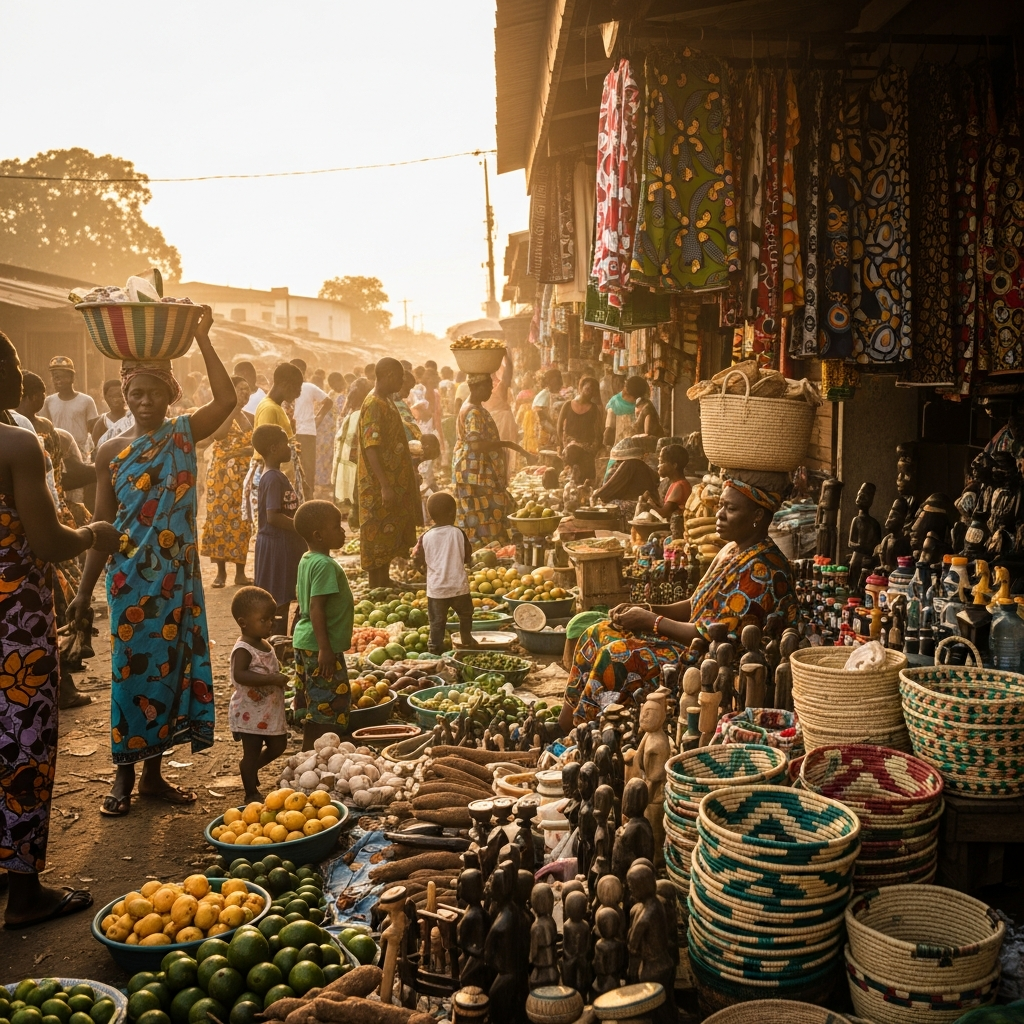
Imagine you've just wrestled through the vibrant chaos of Makola or Kejetia market, basket full of garden eggs, fresh tilapia, and yam, but your wallet feels noticeably lighter than expected. Or perhaps you're sitting in Accra's infamous traffic, mentally calculating how much that daily trotro fare or Bolt ride adds up to in a month. It’s a familiar dance for many of us, navigating the daily realities of life in Ghana, where every cedi counts and the conversation about the cost of living in Ghana is always buzzing.
At VibesGH, we hear these concerns, and it’s clear there are a few misconceptions floating around about what it really costs to thrive here. Let's bust some myths and get down to the practical realities.
Debunking Myths About the Cost of Living in Ghana
-
Myth 1: Ghana is dirt cheap for everyone.
- Reality: While Ghana can indeed offer a more affordable lifestyle compared to many Western countries, particularly when looking at daily essentials and local services (a comparison with places like Denmark, for instance, shows significant differences in restaurant, housing, and clothing costs), it's not a blanket statement that everything is cheap. For locals, specific goods and services, especially imported electronics, certain brand-name groceries, or luxury lifestyle choices, can quickly add up. Someone moving from a smaller town to Accra will find the cost of living in Ghana in the capital significantly higher than what they're used to, particularly for rent and daily transport.
-
Myth 2: You have to sacrifice quality to save money.
- Reality: Absolutely not! Living smart in Ghana often means embracing local alternatives that are not only affordable but also incredibly rich in quality, flavour, and cultural authenticity. Think fresh market produce from your local seller over imported frozen goods, a skilled local seamstress crafting kente or GTP fabrics into unique outfits over high-street fashion, or enjoying a delicious, steaming plate of waakye from the corner joint over an expensive restaurant meal. Quality is abundant, you just need to know where to find it without breaking the bank.
-
Myth 3: Accra is the only place with a high cost of living.
- Reality: Accra definitely holds the crown for being the priciest city, especially for housing in prime areas like Cantonments or Airport Residential. However, major regional capitals like Kumasi, Takoradi, and even Tamale are seeing their own upward trends in expenses, particularly for housing, fuel, and certain services, as these cities grow and develop. The cost of fuel, for instance, impacts everyone, regardless of location.
-
Myth 4: Cash is king for everything.
- Reality: While cash is still widely used and necessary, especially in smaller, informal markets and for trotro fares, Ghana is rapidly moving towards a digital economy. Mobile money (MTN MoMo, Vodafone Cash, AirtelTigo Money) is ubiquitous, making payments for everything from utilities to market purchases incredibly convenient and sometimes safer. Relying solely on cash means missing out on the ease, security, and sometimes better record-keeping of digital transactions.
Smart Strategies for Managing Your Cost of Living in Ghana

Now that we’ve cleared the air, let’s get practical! Here are actionable tips you can start using today to make your cedis go further:
-
Master Your Budget, Master Your Cedis: This isn't just for businesses; it's for everyone looking to gain control over their finances! Grab a simple notebook and pen, use a budgeting app like Wallet by BudgetBakers, or regularly review your bank's transaction history (most local banks like Ecobank, GCB, CalBank, and Stanbic offer excellent mobile apps for this). The goal is to track every cedi that comes in and goes out. Knowing exactly where your hard-earned money disappears to is the first crucial step to identifying areas where you can save and making smarter financial decisions.
-
Embrace Local Markets for Groceries: Forget the fancy supermarkets for your daily provisions. Your local market—be it Kaneshie, Kejetia, Tema Community 1, or Malata—offers fresher produce, spices, and meats at significantly better prices. Plus, it's a vibrant, authentic Ghanaian experience! Don't be shy to bargain a little; it's part of the culture and can save you a few cedis on your purchases.
-
Smart Transportation Choices: The trotro is your friend for daily commutes! While ride-hailing apps like Bolt, Uber, and Yango offer convenience, especially late at night or when it's raining, their costs can quickly add up. For daily commutes, understanding trotro routes and mastering the 'mate' system can save you a bundle. If you must use ride-hailing, compare prices between apps before confirming your ride.
-
Cook More, Eat Out Less: Ghana's street food and chop bars are legendary, delicious, and often affordable. But consistently eating out, even at a local eatery, will almost always cost more than preparing meals at home. Unleash your inner chef and whip up some banku, fufu, or your favorite jollof at home. You'll eat healthier and save more.
-
Utilities: Be Mindful of Consumption: Electricity (ECG) and water (GWCL) bills can creep up if you're not careful. Simple habits like switching off lights and fans when leaving a room, unplugging electronics, and fixing leaky taps can make a significant difference. If you have a prepaid meter, monitor your units regularly to understand your usage patterns.
-
Leverage Mobile Money (MoMo) Beyond Payments: Beyond its convenience for sending money and paying bills (like DSTV, internet, or school fees), MoMo can be a powerful budgeting tool. Many providers offer transaction summaries and monthly statements, helping you visualize your spending patterns. Plus, using MoMo often saves you a trip to the bank and sometimes transaction fees.
-
Consider Your Location Wisely: Rent is often the biggest chunk of the cost of living in Ghana, especially in major cities. Living slightly outside the prime, most expensive areas of Accra, Kumasi, or Takoradi can drastically reduce your rental costs, often without adding too much to your commute if you plan your routes and times well. A little extra travel might mean significant savings on rent.
-
Bulk Buying (Wisely): For non-perishable items like rice, cooking oil, toiletries, or detergents, buying in bulk from wholesalers can offer significant savings over buying smaller quantities from retail shops. Just ensure you have adequate storage space and that you'll use everything before it expires or goes bad.
Living in Ghana, with its unique charm, vibrant culture, and occasional challenges, doesn't have to break the bank. With a bit of planning, smart choices, and a willingness to embrace local rhythms and alternatives, you can navigate your expenses like a pro. It's all about making your cedis work smarter, not just harder. You've got this!