Navigating Ghana's Current Challenges: Your Practical Guide

Picture this: you’re navigating the bustling streets of Makola, or perhaps enjoying a serene evening in Kumasi, when suddenly a news alert pops up about a major decision affecting our nation’s future, or worse, images of another part of Accra battling floodwaters. Ghana's current challenges aren't just headlines; they directly impact our daily lives, our pockets, and the future we're building for our children. It's easy to feel overwhelmed by the constant stream of information, but understanding these issues and knowing how to act can make all the difference. Let's break down some key areas of current affairs and how you, a proud Ghanaian, can navigate them proactively.
Navigating Ghana's Annual Flood Nightmare
Every year, as the rains descend, many parts of Accra and other urban centres brace themselves for the inevitable – flooding. We see the photos, hear the stories, and sometimes, even experience the devastation firsthand. While leaders like Dr. Bawumia visit affected areas with relief items, and our brave Anyaa Fire officers rescue stranded citizens, the crucial question remains: has anything really changed for the long term? This cycle demands more than just seasonal responses; it requires proactive engagement from all of us.
-
Personal Preparedness is Your First Line of Defence: Don't wait for the water to rise. Create a small emergency kit with essentials like a torch, first aid, some non-perishable food, and copies of important documents (ID, land title, etc.) stored in waterproof bags. Know the safest routes out of your area if you live in a flood-prone zone. Keep your MTN MoMo wallet topped up for emergencies, as ATMs might be inaccessible. Even something as simple as ensuring your drains at home are clear can prevent water from pooling.
-
Advocate for Local Solutions and Accountability: The conversation isn't just about rebuilding major drains; it's about enforcing building and sanitation laws, educating communities on waste disposal, and regular desilting. Your local assembly member, chief, or opinion leader needs to hear from you. Attend community meetings, join local clean-up drives, and politely but firmly demand action from your Metropolitan, Municipal, or District Assembly (MMDA). If you see someone dumping refuse into a gutter, gently educate them on the consequences. Collective small actions lead to big changes.
Global Partnerships: What China's Educational Influence Means for Ghana

Beyond our borders, Ghana is constantly forging new alliances and strengthening existing ones. One significant development is China's growing influence, especially through education. We're seeing discussions around introducing Chinese language studies into our school curriculums and the collaboration with Confucius Institutes. This isn't just about learning a new language; it signals a shift in focus from mere loans and roads to human capital development. What does this mean for your family and future?
-
Embrace New Skills and Languages for Future Opportunities: The world is shrinking, and understanding global players is crucial. If our children are learning Chinese, it's an opportunity. Consider encouraging your kids, or even yourself, to explore new languages and skills that align with these global shifts. Imagine a Ghanaian entrepreneur who can negotiate directly with a Chinese supplier in their native tongue – the business possibilities are immense. Look out for online courses or local language centres that offer such skills, some even accessible through your local bank's youth development programs or free online platforms.
-
Critically Evaluate National Investments and Their Long-Term Impact: As a citizen, it's vital to look beyond the surface of international partnerships. While roads and loans are tangible, an investment in education has a profound, long-term impact on our nation's human resource capacity. Ask yourself: Are these partnerships truly serving Ghana's best interests? Are we equipping our youth with skills that make them globally competitive while still addressing our local needs? Stay informed about government policies and engage in discussions about these big-picture decisions. Your voice, collectively, helps shape our national direction.
Your Role in Shaping Ghana's Current Challenges
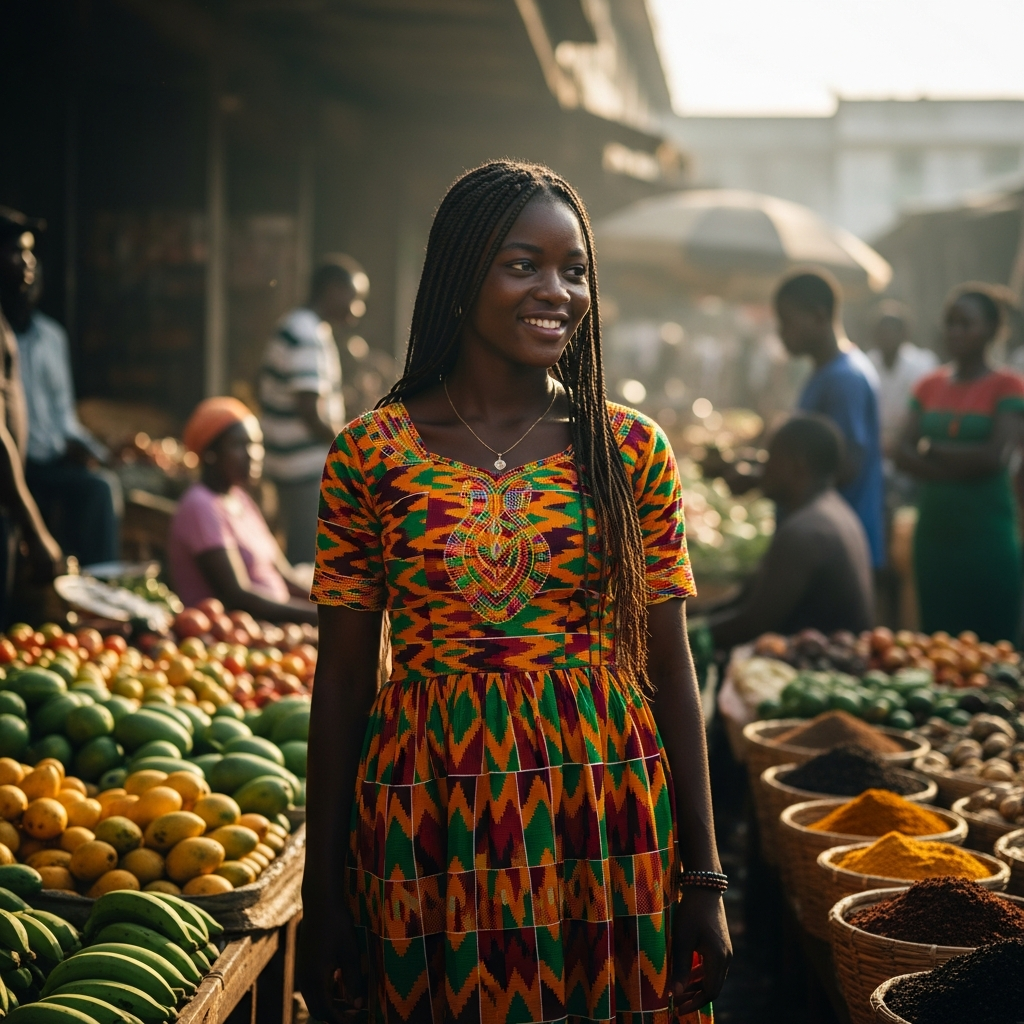
It’s tempting to feel like the everyday Ghanaian has little power in the face of national issues. But that couldn’t be further from the truth. Every informed decision, every responsible action, and every engaged voice contributes to the tapestry of our nation's future.
-
Stay Informed and Participate Beyond the Echo Chamber: Don't rely on just one news source. Read different Ghanaian newspapers, listen to various radio stations (Joy FM, Citi FM, Adom FM, etc.), and follow reputable online portals. Engage in constructive discussions on social media, but always fact-check before sharing. Attend local town hall meetings organized by your Member of Parliament or District Assembly. Your active participation makes our democracy stronger and ensures that issues affecting your community are heard.
-
Support Local Innovation and Resilience: Ghana is full of brilliant minds solving everyday problems. From tech start-ups in Accra creating apps for local commerce to community groups in Tamale building sustainable farming initiatives, supporting local innovators directly strengthens our economy and resilience. Look for businesses that offer sustainable solutions to challenges like waste management or access to clean water. Even choosing to buy Ghanaian-made products helps circulate cedis within our economy, fostering growth and independence.
Navigating Ghana's current challenges requires a blend of personal responsibility, informed civic engagement, and a forward-thinking mindset. We are a resilient people, known for our 'can-do' spirit and unwavering hope. By understanding the issues, preparing for eventualities, and actively participating in solutions, each of us plays a crucial role in building the Ghana we all envision – a prosperous, secure, and vibrant nation for generations to come.