Navigating Ghana's Cost of Living: Smart Tips for Your Cedis
Thinking about making your cedis stretch further in Ghana? You're not alone! With the dynamic nature of our economy, understanding where your money goes is the first step to financial peace of mind. Let's break down the cost of living Ghana style, with real, actionable advice for your pocket.
Is the Cost of Living in Ghana Really That High Right Now?
It often feels that way, doesn't it? From the price of a hearty plate of jollof to the fuel for your trotro, daily expenses can quickly add up. While inflation has been a hot topic, making certain goods and services pricier, the reality is that the cost of living Ghana presents is highly dependent on where you are, your lifestyle, and your choices. Living in the heart of Accra, for instance, will naturally be more expensive than in a smaller town in the Volta Region. The key isn't just about the numbers, but about smart strategies to navigate them.
VibesGH Tip: Instead of just observing price changes, actively track your personal spending for a month. You might be surprised where your cedis are actually going!
What Are the Biggest Expenses I Should Watch Out For?

Generally, three main areas tend to consume the largest chunk of budgets across Ghana:
Housing: Renting Smart in Ghana
Whether you're looking for a comfortable apartment in Osu, a family home in Kumasi, or a compound house in Tamale, housing is often your biggest fixed cost. Rent can vary wildly, with a 2-bedroom apartment in a prime Accra location easily costing GHS 2,500 – GHS 5,000+ per month, while similar accommodation in secondary cities might be GHS 1,000 – GHS 2,500. Often, landlords require 1-2 years' rent upfront, which is a significant initial outlay.
VibesGH Tip:
- Negotiate: Don't be afraid to bargain on rent, especially if you're offering to pay a longer period upfront or if the property has been vacant for a while.
- Consider Location: Living a bit further from city centers can drastically cut your rent. Factor in commuting costs (trotro fares, fuel) to see if the saving is truly worth it.
- Roommates: Sharing an apartment with a trusted friend or family member is a common and effective way to split rent and utility bills.
- Agent Fees: Be aware of agent fees, typically 10% of the total rent paid upfront. Always clarify this before committing.
Food: Eating Well Without Breaking the Bank
Food is a non-negotiable, and Ghana offers a delicious array of options! Your food budget depends on whether you're cooking at home, eating out at local chop bars, or frequenting more upscale restaurants.
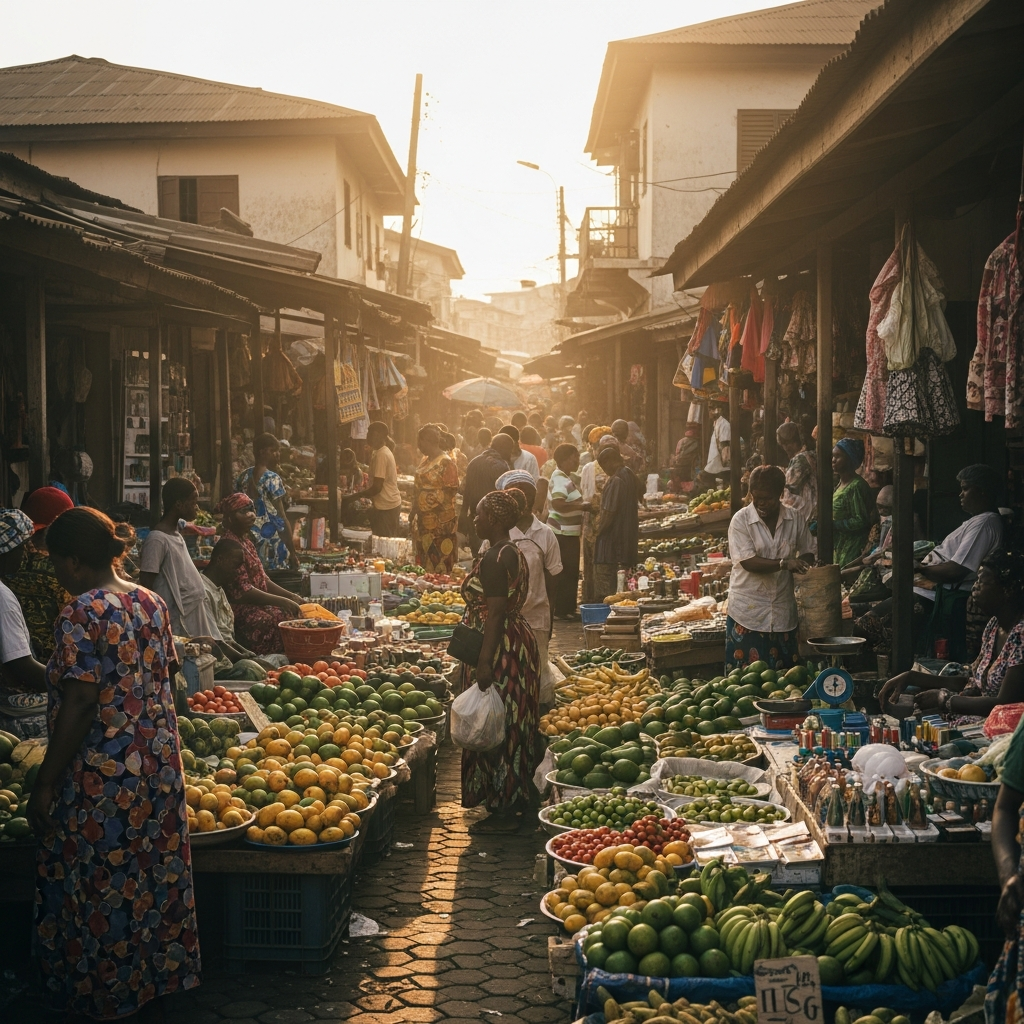
- Market vs. Supermarket: Buying fresh produce, grains, and proteins from local markets (like Makola or Kejetia) is almost always cheaper than supermarkets. You can find deals and seasonal items that are both fresh and affordable.
- Chop Bars & Street Food: Embracing local eateries for your waakye, kenkey, or banku can be incredibly budget-friendly compared to modern restaurants. A decent meal can cost between GHS 15 – GHS 40.
- Cooking at Home: This is your strongest weapon against high food costs. Planning meals, buying in bulk, and cooking in larger batches can save you a lot of cedis. Think about Sunday cooking to cover your Monday and Tuesday lunches!
VibesGH Tip: Create a weekly meal plan based on what's fresh and affordable at your local market. Don't forget to factor in staples like rice, oil, and spices.
Transportation: Getting Around on a Budget
Navigating Ghanaian cities can be costly if you rely solely on private means or ride-hailing apps. A typical short ride in Accra on Bolt or Uber might be GHS 20-GHS 40, while a long-distance trotro journey costs significantly less.
VibesGH Tip:
- Embrace Trotros: For daily commutes, trotros are your most economical option. Learn the routes, and you'll save a lot.
- Ride-Hailing Strategically: Use apps like Bolt or Uber for convenience or when carrying heavy items, but try to limit their use if you're on a tight budget. Consider carpooling with colleagues for shared routes.
- Walking & Biking: For shorter distances, walking is healthy and free! In certain areas, bicycles can also be a viable, cost-effective mode of transport.
How Can I Cut Down on Daily Expenses?

Beyond the big three, there are many ways to tighten your belt and manage the cost of living Ghana presents daily:
- Utilities: Be mindful of electricity and water usage. Unplug chargers, switch off lights when leaving a room, and fix leaky taps. Consider energy-efficient appliances if you're purchasing new ones.
- Mobile Data: Data bundles can be a silent budget killer. Compare plans from MTN, Vodafone, and AirtelTigo. Use Wi-Fi whenever possible, especially at home or work.
- Entertainment: Instead of always hitting the fancy spots, explore free or low-cost activities like visiting local beaches, parks, or attending community events. A night in with friends, playing ludo or oware, is priceless!
- DIY & Repairs: Learn basic repairs around the house. Instead of buying new, consider mending clothes or fixing small household items yourself or with help from a local artisan.
How Can I Budget Effectively for the Cost of Living in Ghana?
The secret sauce to managing your cost of living Ghana is an effective budget. It doesn't have to be complicated.
- Track Everything: Use a simple notebook, a spreadsheet, or a budgeting app to record every cedi you spend for a month. This gives you a clear picture.
- Categorize: Group your expenses into categories like 'Housing', 'Food', 'Transport', 'Utilities', 'Personal Care', 'Entertainment'.
- Set Limits: Based on your tracking, decide how much you want to spend in each category. Be realistic.
- Use Mobile Money: Platforms like MTN MoMo, Vodafone Cash, and AirtelTigo Money are not just for sending and receiving; some offer features to track transactions, which can aid budgeting. You can even set aside specific amounts for different categories into separate MoMo wallets if your provider allows.
- Bank Smart: Utilize your local bank's (Ecobank, GCB, Absa, CalBank, etc.) mobile banking apps to monitor your account balance and transaction history regularly.
- Review & Adjust: Life happens! Review your budget weekly or monthly and adjust as needed. If you overspent on food, see where you can cut back next week.
Living in Ghana offers a vibrant experience, and with a little planning and smart financial habits, you can enjoy it without constant worry about your finances. Start implementing these tips today, and watch your cedis work harder for you! After all, managing your money is about empowering your life.