Navigating Ghana's Cost of Living: Busting Myths & Finding Value
Many of us, especially our friends abroad or even those planning a move to a new city here in Ghana, often start with one big assumption: “Oh, Ghana is cheap!” But hold on a minute, my friend. While our beautiful Ghana offers incredible value and a vibrant lifestyle, painting it with a single ‘cheap’ brushstroke is like saying all jollof tastes the same – simply not true! Understanding the cost of living in Ghana requires a closer look beyond the surface. It’s about finding that sweet spot between enjoying our vibrant culture and managing your cedis wisely.
Today, we're doing a bit of myth-busting to help you get a clearer picture of what it really costs to live, work, and thrive in Ghana. Forget the one-size-fits-all narratives; let's explore the reality.
The Real Cost of Living in Ghana: Separating Fact from Fiction
Myth 1: "Everything in Ghana is Dirt Cheap."
Reality: This is perhaps the biggest misconception. Yes, compared to many Western countries, the overall cost of living here can be significantly lower, especially for local goods and services. Our trotro fares are a blessing, a plate of waakye from the roadside is affordable, and fresh produce from the market won't break the bank. However, certain things, especially imported items, modern housing in prime areas of Accra or Kumasi, and high-end services, can actually be quite pricey.
For instance, if you're looking for an ultra-modern apartment in Cantonments or East Legon, prepare to pay cedis equivalent to what you might find in some European cities, sometimes even requiring a year or two's rent upfront! Likewise, imported electronics, certain luxury cars, or specific international school fees will hit your pocket hard. The trick is to understand what is cheap and what isn't.
Myth 2: "You Can't Live Comfortably on a Moderate Budget in Ghana."
Reality: Absolutely you can! Living comfortably isn't about how much you spend, but how smartly you spend it and how well you adapt. Ghana offers a rich lifestyle that doesn't demand a king's ransom if you're willing to embrace local options and value.
Many Ghanaians live full, happy lives without constantly reaching for expensive imported goods. They shop at local markets, commute via trotro or ride-sharing apps like Bolt, and enjoy local entertainment. You can enjoy a good quality of life here with a moderate budget if you prioritize your spending and lean into the Ghanaian way of life. It’s about balance and making informed choices.
Myth 3: "Comparing Ghana to Developed Countries Always Means Ghana is Massively Cheaper Across the Board."
Reality: While generally true for many categories (for example, childcare, entertainment, and housing are indeed significantly more expensive in places like Australia compared to Ghana), it's not a universal truth for every single item or service. As mentioned before, specific niche items or services that cater to international standards can be an exception. Think specialized medical procedures, certain high-tech gadgets, or very specific dietary items.
The real value in Ghana often comes from our abundant local resources, vibrant street food culture, and the warmth of our community. If your lifestyle heavily relies on imported preferences, then your budget might not stretch as far as you'd initially assume when comparing broad cost-of-living indices. The key here is to compare 'like for like' where possible, but more importantly, to integrate into the local economy.
Smart Strategies for Managing Your Cost of Living in Ghana
Now that we've cleared the air, let's get practical. Here are some actionable tips to help you manage your expenses and truly enjoy life in Ghana without unnecessary financial stress:
-
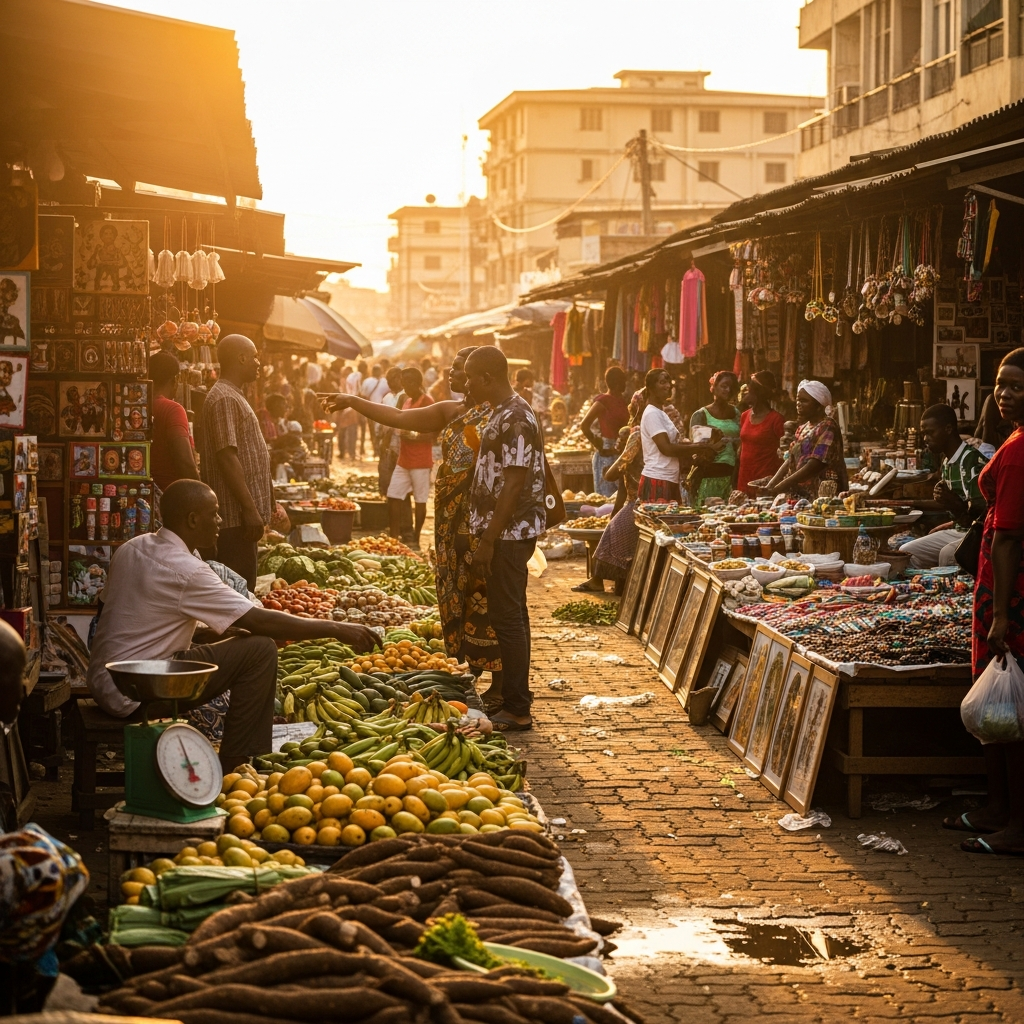
Embrace Local Markets: Forget the expensive supermarkets for your daily needs. Head to Makola, Kejetia, or even your local community market for fresh produce, spices, and proteins. You'll save a ton of cedis and get a taste of authentic Ghanaian life. Plus, it's a great experience!
-
Cook at Home (Often): While Ghana has amazing street food and restaurants, regularly eating out can quickly add up. Learning to cook local dishes is not only a fantastic skill but also incredibly economical. Imagine whipping up your own delicious jollof or banku at home!
-
Smart Transport Choices: For daily commutes, trotros are your most budget-friendly option. For convenience, ride-sharing apps like Bolt and Uber are widely available in cities like Accra, Kumasi, and Takoradi. If you own a car, factor in fuel costs, which can fluctuate. Consider carpooling with friends or colleagues to save on petrol.
-
Budget, Budget, Budget! This can't be stressed enough. Track your expenses. Use a simple notebook, a spreadsheet, or a budgeting app (many local banks like Ecobank, GCB, or Absa offer apps that help you track spending). Review your MTN MoMo or Vodafone Cash statements; they are excellent records of your daily transactions.
-
Housing Savvy: Rent is often a significant chunk of your expenses. If you're flexible, explore areas slightly outside the prime city centers. You might find more spacious and affordable options. Always work with reputable agents and understand the terms, especially the common practice of paying 1-2 years' rent in advance.
-
Utilities & Connectivity: Prepaid electricity (ECG) helps you control usage. Invest in energy-efficient appliances. For internet, explore different service providers and packages based on your usage – whether it's fibre, a MiFi device, or mobile data bundles.
-
Healthcare: Register for the National Health Insurance Scheme (NHIS). While it covers basic services, consider private health insurance for more comprehensive coverage if your budget allows. Many local insurance providers offer competitive plans.
-
Local Entertainment: Instead of expensive club nights every weekend, explore Ghana's rich cultural scene. Visit historical sites, enjoy a relaxing day at the beach, catch a Ghallywood movie, or attend local festivals. These experiences are often more enriching and wallet-friendly.
Ghana offers an incredible experience, rich in culture, warmth, and opportunity. By understanding the true cost of living in Ghana and adopting smart financial habits, you can absolutely enjoy a comfortable, fulfilling life here. Don't let misconceptions deter you; instead, empower yourself with knowledge and make your cedis work for you.
Start exploring, start budgeting, and start living your best Ghanaian life! You've got this, chale.```