Ghana Diet Plan: Affordable & Healthy Meals for Everyday Life
Just last week, my cousin Kwesi was lamenting to me at the market, 'Sister, I really want to eat healthier, you know? But everything 'healthy' seems to be imported and costs an arm and a leg. How can I balance my budget with my body goals?' I just smiled, picked up a bunch of fresh kontomire, and told him, 'My dear, you've been looking in the wrong section! Ghana itself is a treasure trove of affordable, nutritious goodness.' It's a common misconception, isn't it? Many of us believe that a healthy diet means breaking the bank on exotic ingredients. But what if I told you that a truly effective and budget-friendly Ghana diet plan for affordable healthy meals is right here, woven into the fabric of our everyday cuisine?
Step 1: Embrace Ghana's Food-Based Dietary Guidelines
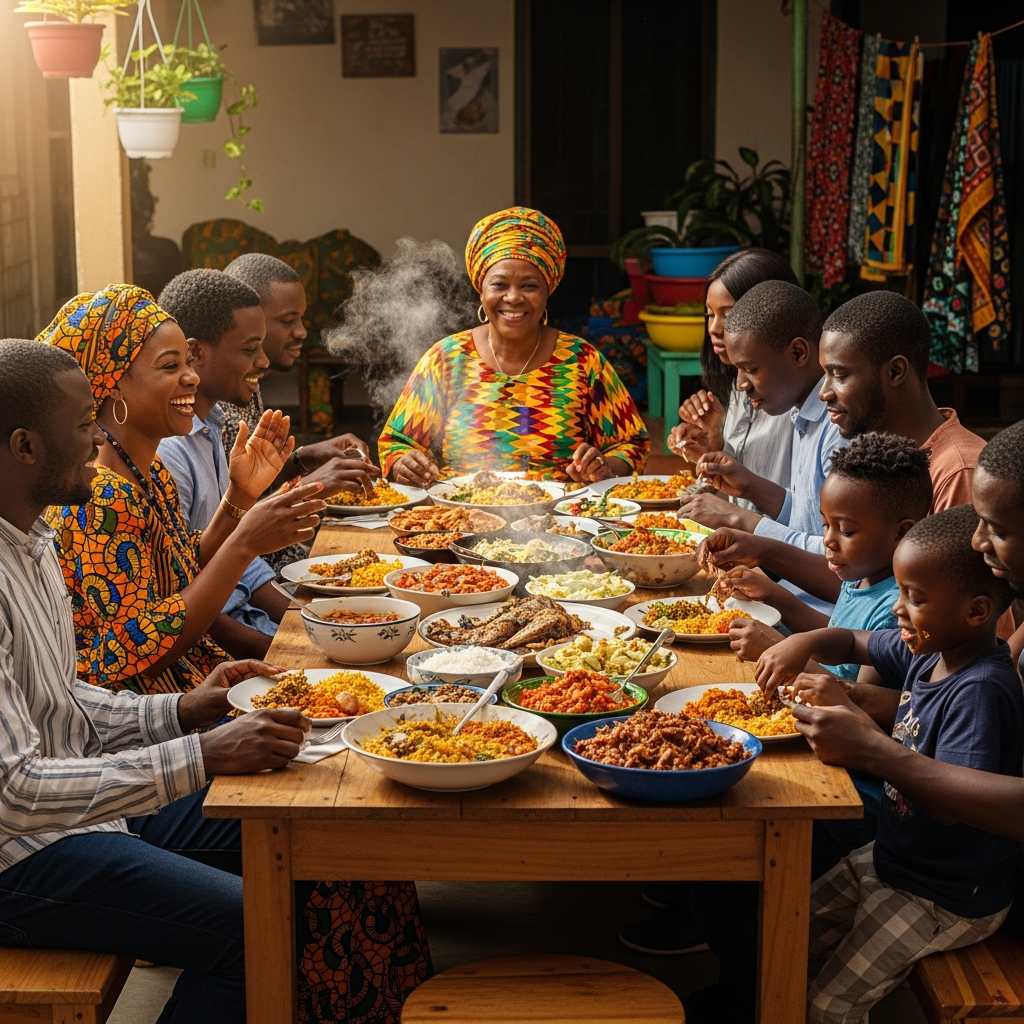
Did you know Ghana has official guidelines for healthy eating? Our own 2023 Food-Based Dietary Guidelines are not just for nutritionists; they're for you and me! They emphasize consuming a variety of local foods, focusing on whole grains, legumes, fruits, vegetables, and lean protein sources. This means staples like millet, maize, rice (local brown rice is fantastic!), beans, groundnuts, kontomire, garden eggs, okra, and a rainbow of fruits are your best friends. These aren't fancy; they're readily available at any market, from Makola to Kumasi Central Market, and won't make your wallet scream for mercy. Forget the idea that 'healthy' means bland chicken and broccoli; we’re talking about vibrant jollof, satisfying fufu, and hearty waakye, just portioned and paired smartly.
Step 2: Shop Smart, Shop Local, Shop Seasonal for Affordable Healthy Meals
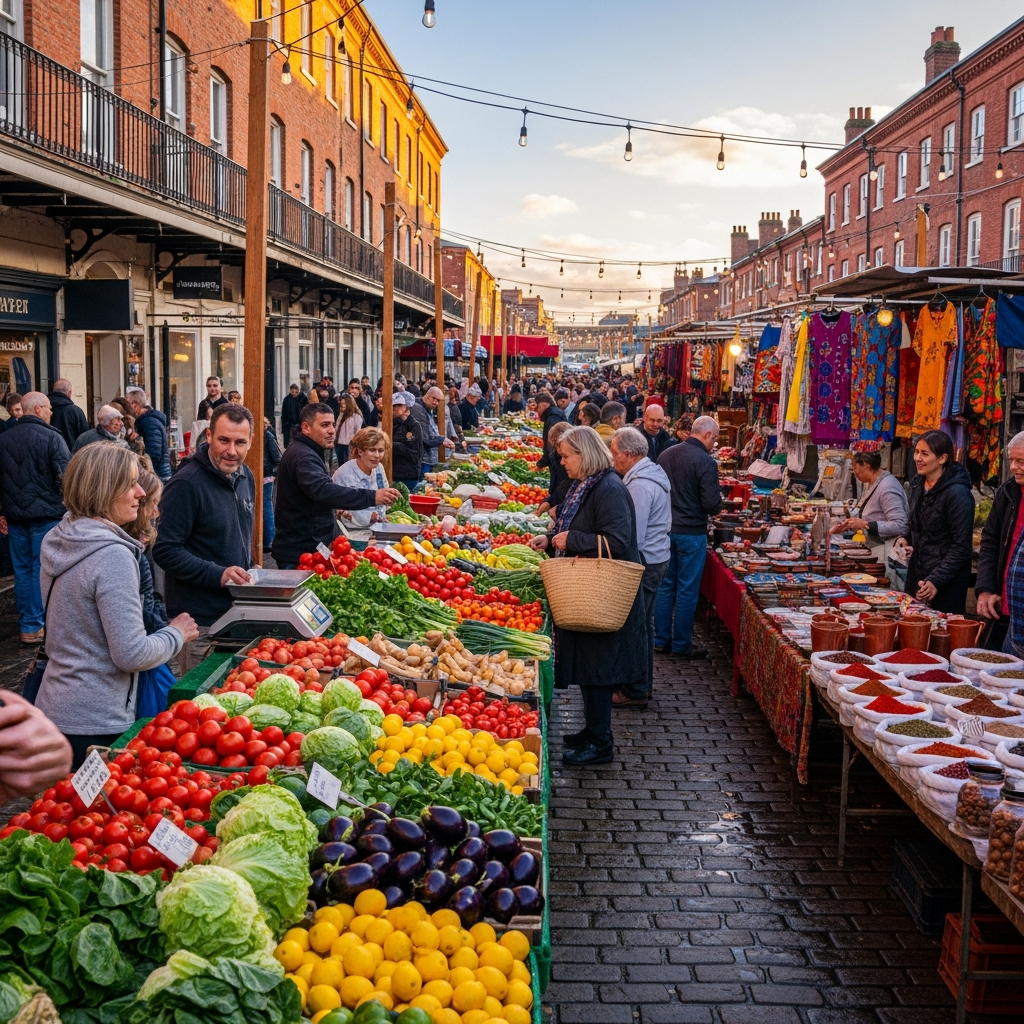
This is where your cedis really stretch! The secret to truly affordable healthy meals is buying what’s in season and what’s grown locally. When mangoes are overflowing from street hawkers' baskets, they are cheaper and sweeter. The same goes for plantains, cocoyam, cassava, and all our wonderful vegetables.
- Visit local markets: Skip the supermarkets for your produce. Head to your local market – be it Kaneshie, Kejetia, or Tamale Central – early in the morning for the freshest picks and the best bargains. Bargaining (with respect!) is part of the experience and can save you significant cash.
- Buy in bulk (wisely): If you have storage, buying grains like rice or millet in larger quantities can be more cost-effective. For perishables, only buy what you know you'll use to avoid waste.
- Plan your meals: Before you even leave the house, have a rough idea of what you’ll cook for the week. This stops impulse buys and ensures every item you purchase has a purpose.
Step 3: Master the Art of a Ghanaian Meal Planning

No more 'what to cook?' dilemmas! A well-thought-out Ghana diet plan is your roadmap to success.
- Weekly Menu: Dedicate 30 minutes on a Sunday to map out your meals for the coming week. Think about using versatile ingredients across different dishes. For instance, if you buy garden eggs for stew, maybe a portion can go into an omelette for breakfast.
- Batch Cooking: Cook larger portions of certain components. A big pot of black-eyed beans can serve as a side for waakye, a base for a bean stew, or even blended into a healthier 'red-red'. Similarly, cook a larger quantity of your preferred protein (fish, chicken, or beans) to use in various meals.
- Breakfast & Lunch Prep: Pack your lunch from home! A small container of leftover waakye with a little shito and salad, or some kenkey with fried fish and pepper sauce, is infinitely healthier and cheaper than buying lunch daily from a roadside vendor. For breakfast, consider overnight oats with local fruits or boiled eggs.
Step 4: Smart Swaps & Creative Cooking for Health
You don't need to reinvent the wheel; just make smarter choices with our beloved dishes.
- Reduce Oil: Many Ghanaian dishes are delicious with less oil. When frying, use just enough to prevent sticking. Air fryers or oven baking are great alternatives for fish and plantain.
- Increase Vegetables: Load up your stews and soups with extra kontomire, okra, garden eggs, carrots, and cabbage. They add nutrients, fibre, and volume, making you feel full longer without adding too many calories.
- Whole Grains: Opt for brown rice over polished white rice when possible. Or mix half brown rice with half white. Incorporate millet and sorghum into porridges or light soups.
- Lean Proteins: Focus on grilled or boiled fish (tilapia, mackerel), chicken (skin removed), eggs, and plant-based proteins like beans and groundnuts. These are typically more affordable than red meats and healthier.
- Portion Control: This is crucial. A serving of fufu or banku is delicious, but the size matters! Use smaller plates, or visually divide your plate: half vegetables, a quarter protein, and a quarter carbohydrates.
Step 5: Hydration and Smart Snacking
Don’t forget the basics!
- Water is King: Forget sugary drinks. Carry a reusable water bottle and refill it throughout the day. Tap water (if filtered/boiled) or sachet water is the most affordable and healthiest beverage.
- Healthy Ghanaian Snacks: Instead of bofrot or khebab every time, reach for local fruits like pineapple, pawpaw, banana, or watermelon. A handful of groundnuts, roasted plantain (kofi brokeman), or boiled corn are also excellent, satisfying, and affordable options that won’t derail your progress.
Eating healthy and staying within your budget in Ghana isn't a pipe dream; it's a completely achievable reality. By embracing our local produce, planning your meals, and making small, conscious choices, you can create a sustainable Ghana diet plan filled with delicious, affordable healthy meals that nourish your body and your bank account. So, next time you're at the market, remember Kwesi's dilemma and my advice: the solution to a healthier you is probably sitting right there, waiting to be cooked into something amazing. Go on, give it a try – your body and your wallet will thank you!