Ghana's Cost of Living: Mastering Your Budget in Challenging Times

Remember that time I told you about my cousin, Ama, who moved back to Accra after years abroad? She was so excited for the jollof, the vibrant energy, and being closer to family. But just a few months in, she called me, a little stressed. “Kofi,” she said, “I knew things would be different, but the way prices are moving… my budget is behaving like a trotro driver without a clear destination!” We all chuckled, but her point was valid. The cost of living in Ghana can sometimes feel like a moving target, especially when it comes to managing our hard-earned cedis.
It’s a conversation happening in every household, on every street corner, and even during those quiet moments on a long-distance bus from Accra to Tamale. From the price of a ball of kenkey to fuel for your generator, it feels like everything is taking a bigger bite out of our wallets. So, what’s really going on, and more importantly, how can we navigate these waters without sinking?
Understanding the Shifting Sands of Ghana's Cost of Living
Let’s be real: Ghana, like many countries, is experiencing its share of economic shifts. While our vibrant culture and warm hospitality remain constant, the price tags on necessities are certainly not. Data suggests that for a single person, the average monthly cost of living across various Ghanaian cities, including rent, can hover around the equivalent of GH₵18,000 to GH₵20,000 (roughly $1,168 using recent estimates). For a family of four, this figure can easily climb past GH₵35,000 ($2,238.50). These are averages, mind you, and the reality can vary wildly depending on where you are, from a bustling neighbourhood in Kumasi to a quieter town in the Volta Region, and of course, your lifestyle choices.
So, where exactly are our cedis flying off to?
- Housing: This is often the biggest chunk. Rent in prime areas of Accra like Cantonments or Airport Residential can be eye-watering, but even in more modest areas, finding an affordable, decent place can be a challenge. Always do your research, and don't be shy to haggle or explore less obvious neighbourhoods.
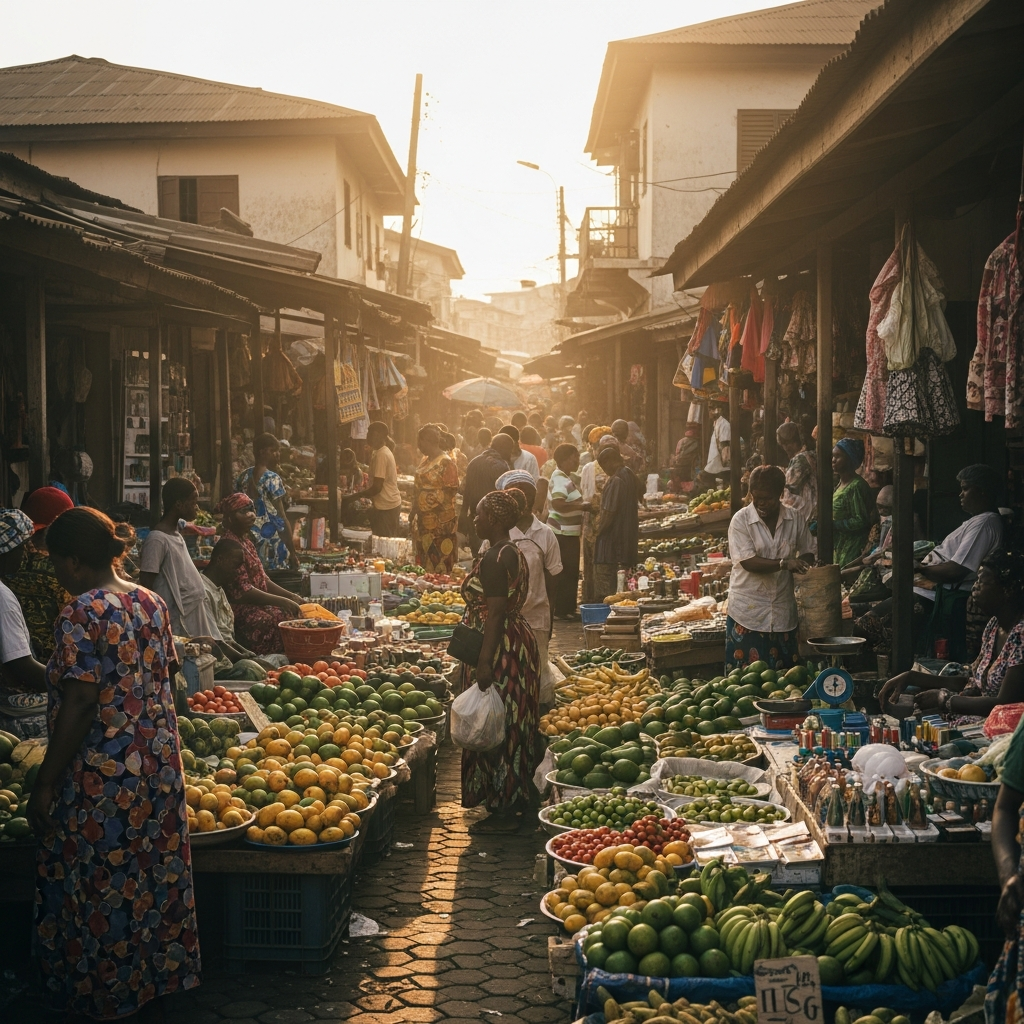
- Food: Our beloved staples—plantain, yam, rice, kontomire, fish—have seen price hikes. While market prices are generally better than supermarkets, even they are climbing. Eating out, while delicious, adds up quickly.
- Transportation: Trotro fares have definitely increased, and for those who drive, fuel costs are a constant concern. The daily commute can quickly eat into your budget.
- Utilities: Electricity (ECG), water (Ghana Water Company), and internet services are essential but come with a cost that seems to be on an upward trend.
- Education & Healthcare: School fees, even for basic education, can be substantial, and while the NHIS offers great support for healthcare, some medical needs still require out-of-pocket payments.
Practical Steps to Master Your Budget Amidst Ghana's Cost of Living
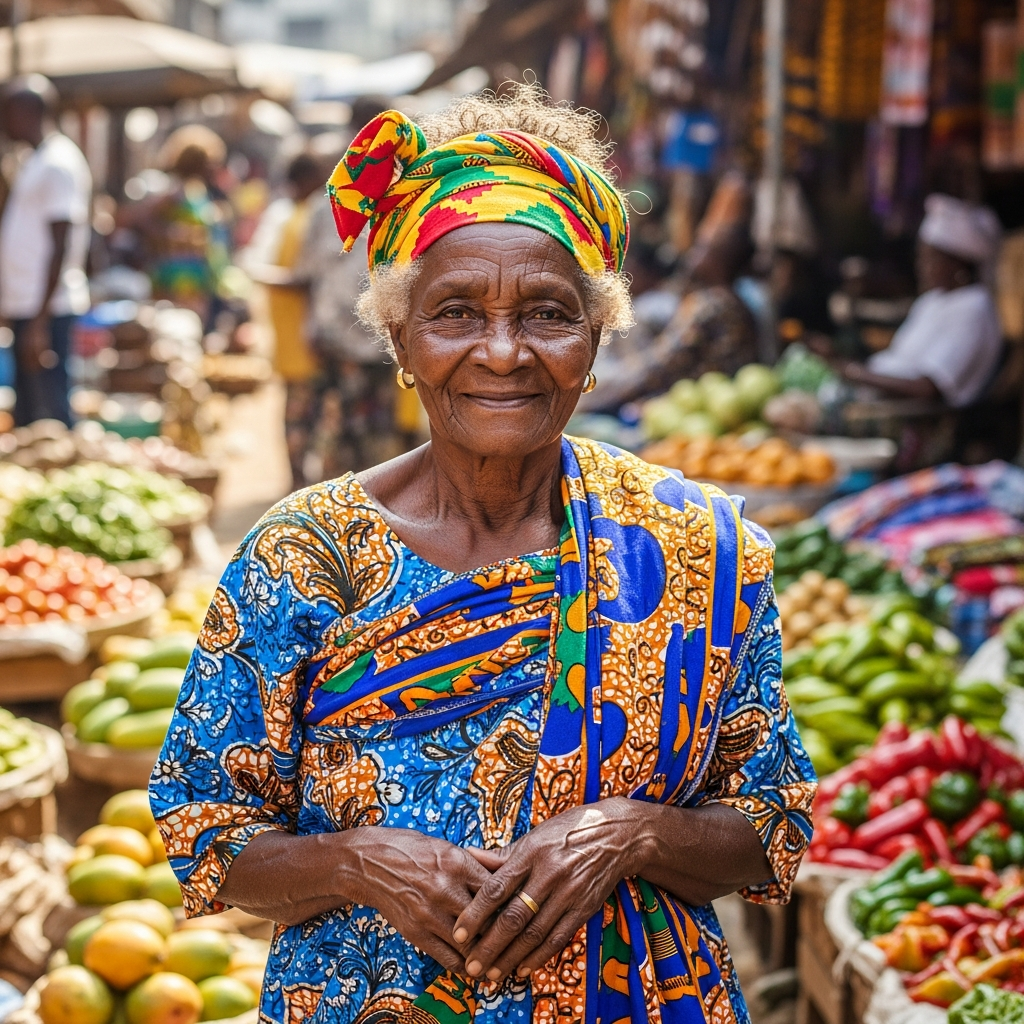
Feeling overwhelmed? Don't worry, my friend. While we can't control global economics, we can take control of our personal finances. Here are some actionable tips to help you stretch your cedis further:
-
Craft a Realistic Budget (and Stick to It!): This isn't just for big businesses, it's for everyone! Grab a notebook, use a spreadsheet, or download a budgeting app. Track every cedi that comes in and every cedi that goes out. Categorize your expenses: housing, food, transport, entertainment, savings. Seeing where your money goes is the first step to controlling it.
-
Smart Food Shopping is Your Superpower:
- Hit the Local Markets: Makola, Kejetia, and your community markets generally offer better prices for fresh produce than supermarkets. Go early for the best selection and be ready to bargain respectfully.
- Buy in Bulk (Wisely): If you have storage, buying non-perishables like rice, oil, or tin tomatoes in larger quantities when prices are good can save you money in the long run.
- Meal Prep: Cook in larger batches. A pot of groundnut soup or garden egg stew can last for days, reducing the temptation (and cost) of frequent takeaways.
-
Transport Tactics:
- Embrace Public Transport: Trotros and shared taxis are often the most economical. Plan your routes to minimize transfers.
- Walk More: For shorter distances, walking saves money and is great for your health.
- Carpool: If you drive, can you carpool with colleagues or friends heading in the same direction?
-
Utility Vigilance:
- Unplug Electronics: Even when off, devices can draw phantom power. Unplug chargers and appliances when not in use.
- Energy-Saving Bulbs: Switch to LED bulbs. They last longer and consume less electricity.
- Monitor Water Usage: Fix leaky taps promptly. Be mindful of how long you run the tap.
-
Smart Savings & Investments:
- Automate Savings: Set up a standing order with your bank or use your MTN MoMo wallet's savings feature to automatically transfer a portion of your income to a savings account each month. Even small, consistent amounts add up.
- Explore Treasury Bills: For longer-term savings, consider GNPC bonds or treasury bills through your bank. They offer relatively secure returns.
- Emergency Fund: Aim to build up at least 3-6 months' worth of living expenses in an easily accessible account for unexpected situations.
-
Diversify Your Income Streams: In today’s Ghana, a single income source might not be enough. Can you offer a skill freelance? Start a small online business? Sell crafts? Even a side hustle that brings in a few hundred cedis a month can make a significant difference.
Navigating the cost of living in Ghana requires a bit of strategy, discipline, and a good dose of Ghanaian resilience. It’s about being smart with your cedis, making intentional choices, and adapting as things change. Remember Ama? After our chat, she started tracking her expenses diligently, found a great local market, and even began carpooling. It wasn't easy, but she felt more in control, and that made all the difference. You can do it too, my friend. Let’s make our cedis work harder for us!