Ghana Current Affairs: Navigating Today's Realities

Have you ever noticed how the news you hear on your radio during your morning commute, or the headline popping up on your phone, doesn't just stay on the screen? It trickles right into your daily life, affecting everything from the price of kenkey to the mood in the trotro. At VibesGH, we believe understanding Ghana's current affairs isn't just about being informed; it's about being prepared and empowered. Let's talk about how the big stories are shaping our small, everyday realities and what we can do about it.
The Ripple Effect: From Global Stages to Your Wallet
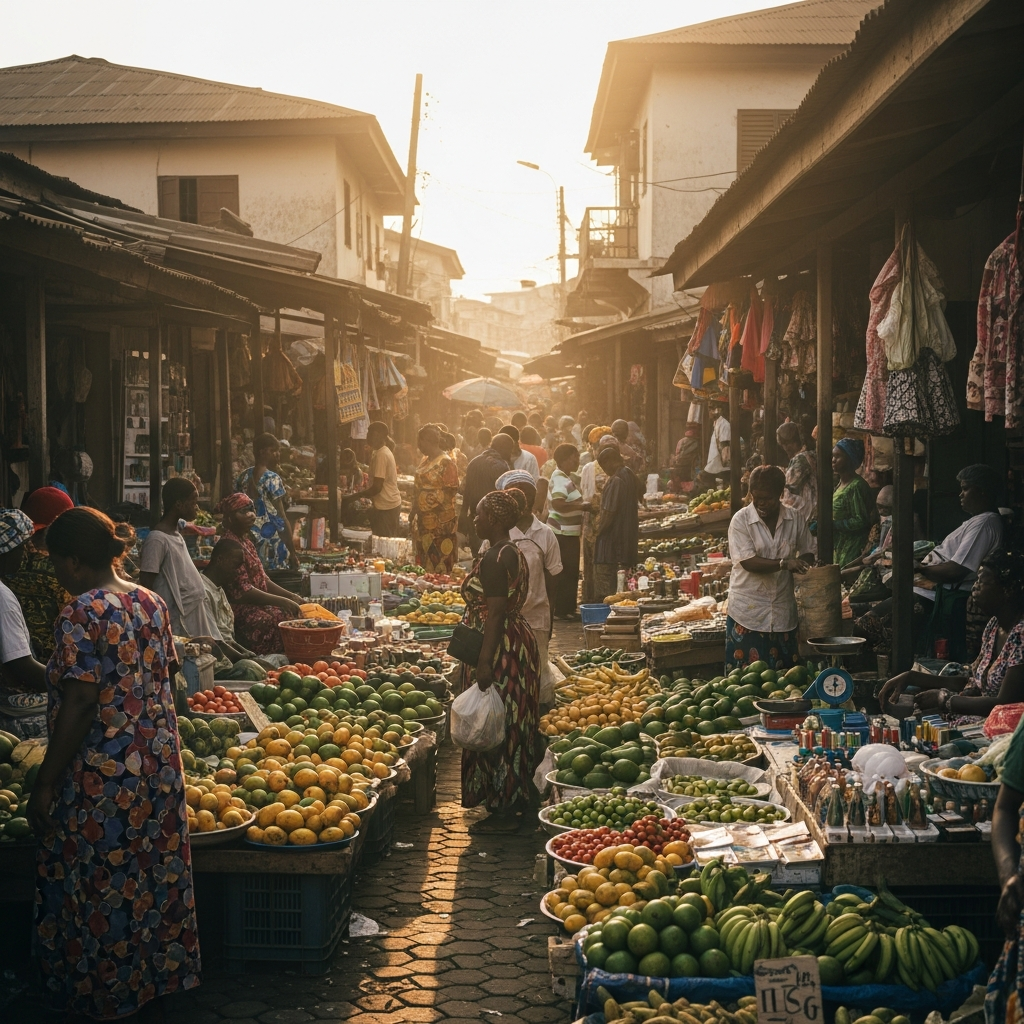
Sometimes, the biggest influences on our lives come from places we might struggle to find on a map. Take, for instance, the ongoing situation in Eastern Europe. When drone campaigns disrupt diesel supplies and wheat shipments from Russia, it's not just a distant headline. That disruption sends ripples right to our shores, affecting everything from the cost of filling your car or a trotro's tank to the price of flour for your morning bread or that delicious banku. Suddenly, your weekly shopping budget, which used to cater for a good amount of groceries, feels stretched. The cost of living in Ghana is directly impacted by these global supply chains, making our cedis work harder.
It means that the price of petrol at your local Total or Shell station might climb, leading to higher transport fares from Circle to Tema. The yams and plantains brought down from the Northern Region or Ashanti will cost more to transport, and ultimately, you'll pay a little extra at the market. This isn't just theory; it’s our daily reality. So, what’s a smart Ghanaian to do?
VibesGH Tip: Start tracking your household expenses diligently. Use a simple notebook, a phone app, or even an Excel sheet. Knowing where your cedis go helps you identify areas to cut back when prices rise. Consider carpooling, using public transport more often, or even walking short distances to save on fuel. When it comes to food, explore local alternatives that are in season, as they tend to be more affordable.
Trust, Transparency, and Our Institutions: A Look at Recent Political Buzz
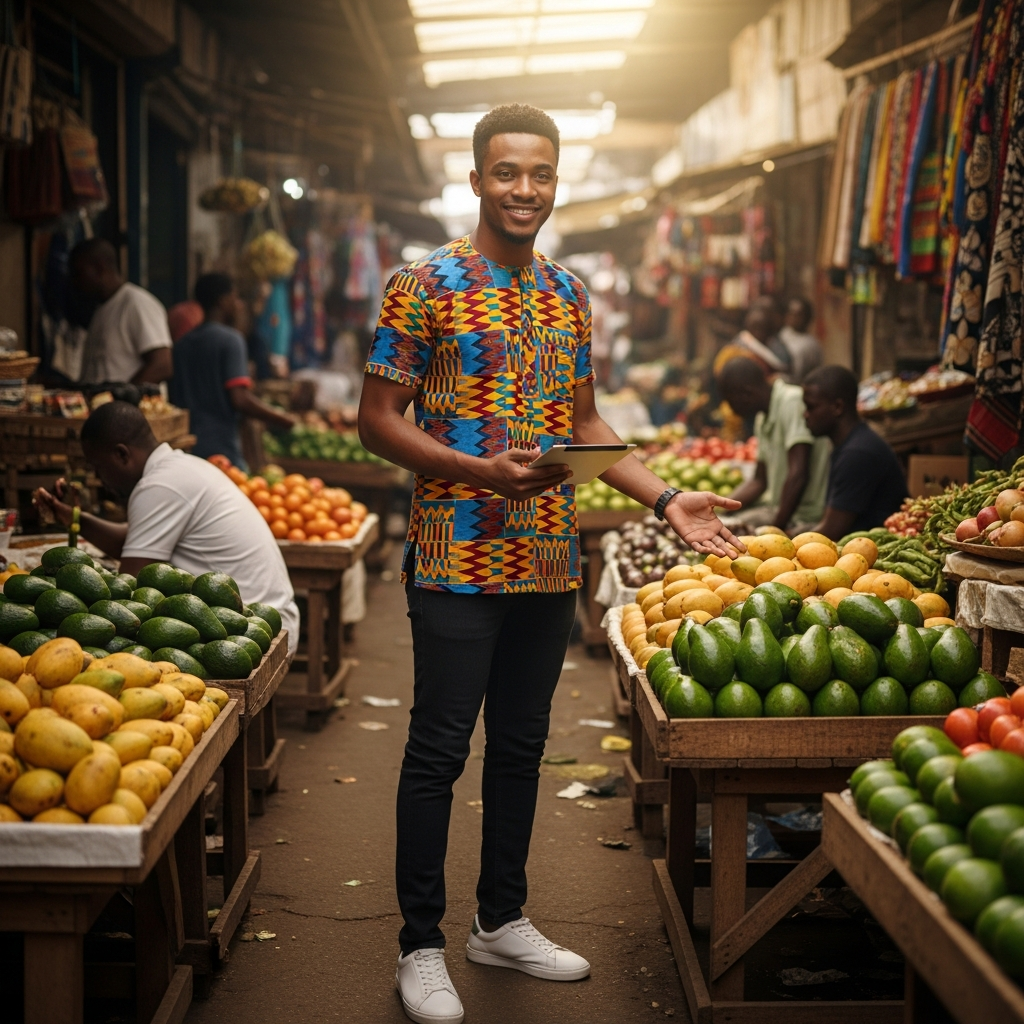
Beyond global economic shifts, our local political landscape also profoundly impacts our sense of stability and confidence. Recently, the arrest of Mr. Dennis Miracles Aboagye, a spokesperson for Dr. Mahamudu Bawumia, by EOCO officials at the airport, stirred quite a bit of public discussion. The subsequent gathering of New Patriotic Party (NPP) supporters at EOCO's premises, demanding his release, highlights a critical aspect of our democratic journey: the perception and reality of how our security and anti-graft agencies operate.
Such incidents spark important conversations about the rule of law, the independence of state institutions like EOCO, and the need for due process. When allegations arise, or when political figures are involved, public trust becomes paramount. For our democracy to thrive, citizens need to believe that justice is administered fairly, without bias or political influence. Whether you're in Accra, Kumasi, or Tamale, the principles of accountability and transparency in governance resonate deeply because they affect everyone.
Why Staying Engaged in Ghana's Current Affairs Matters
These situations, whether economic or political, are not just for pundits on TV or politicians in Parliament. They are Ghana current affairs that directly impact our lives. When institutions are perceived as fair and efficient, it builds confidence, which in turn encourages investment, economic growth, and ultimately, better opportunities for all Ghanaians. Conversely, a lack of trust can deter progress.
VibesGH Tip: Beyond following the news, engage responsibly. Demand accountability from your elected officials and state institutions. Participate in local forums, share your informed opinions respectfully, and hold leaders to their promises. Remember, your voice matters, whether you're voting, discussing with friends over fufu, or simply calling into a radio show. Understanding your rights and responsibilities as a citizen strengthens our democracy.
Building Personal Resilience in Shifting Times
Given the volatility in global markets and the ever-present dynamics of local politics, building personal and financial resilience is key. This isn't about hoarding cedis under your mattress; it's about smart planning and adapting.
VibesGH Tip:
- Diversify your income streams: Can you turn a hobby into a side hustle? Sell some handcrafted kente goods online? Offer tutoring services? Every extra cedi helps.
- Review your financial commitments: Are there subscriptions you can cancel? Can you negotiate better deals on services? Every little saving adds up.
- Emergency Fund: Aim to save at least 3-6 months' worth of living expenses. Even starting with a small, consistent amount into a separate account or a mobile money 'savings pot' can make a huge difference during unexpected times.
- Stay Informed, Critically: Don't just consume news; analyze it. Understand the potential implications of a new government policy or a global trade shift. This helps you make proactive decisions rather than reactive ones.
Ghana is our home, and navigating its current affairs requires us to be both observant and active. By understanding the forces at play, engaging with our institutions, and building our personal resilience, we can not only survive but thrive amidst the changes. Let’s keep the conversation going and build a more informed and empowered Ghana, together.