Eat Well, Spend Less: Your Ghana Diet Plan for Affordable Healthy Meals
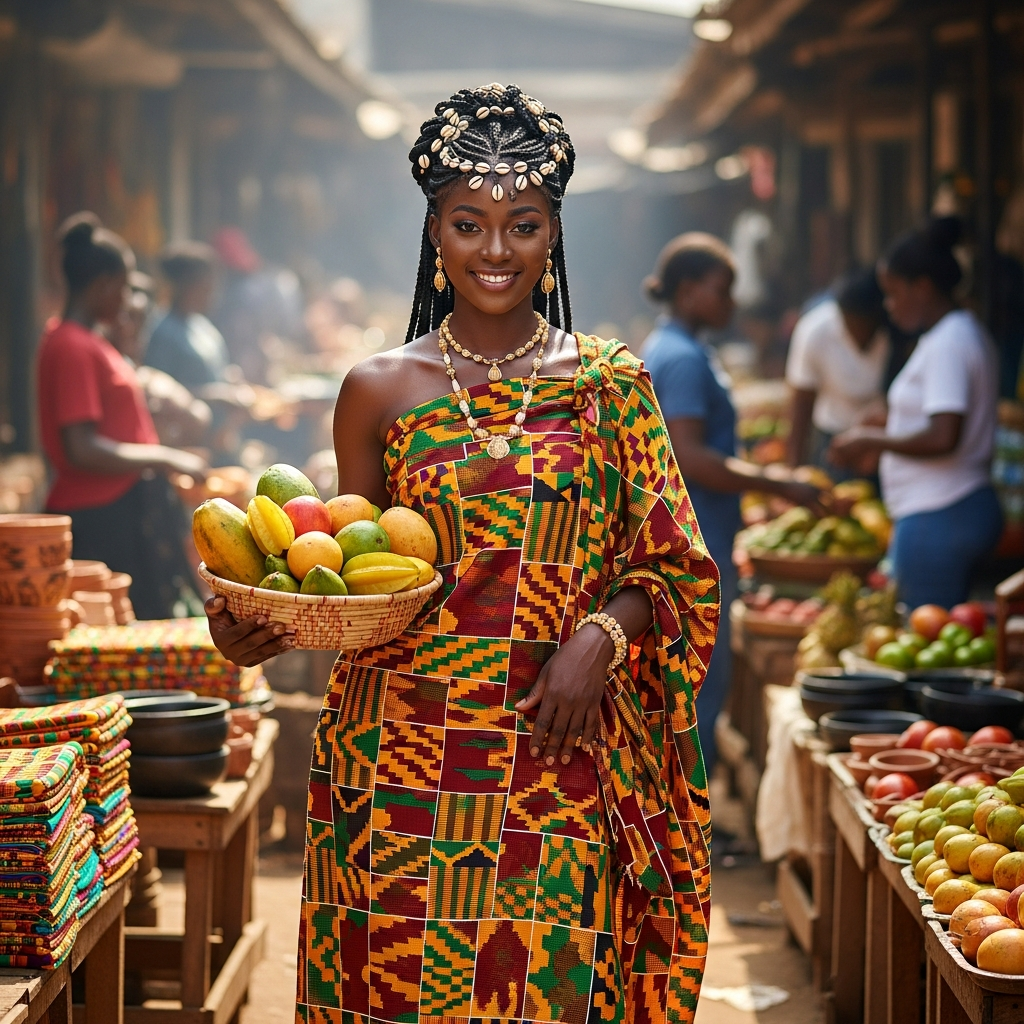
A recent VibesGH survey across Accra, Kumasi, and Tamale revealed something striking: nearly 7 out of 10 Ghanaians associate healthy eating with expensive, imported foods. It’s a common misconception, isn't it? Many of us believe that to eat well, we need to spend a fortune on fancy ingredients we can barely pronounce, let alone find at our local market. But what if I told you that building a robust, health-boosting Ghana diet plan doesn't have to drain your wallet? What if the secret to affordable healthy meals lies right in our own rich culinary heritage and vibrant markets?
It’s time to flip the script. You can enjoy nutritious, delicious meals without breaking the bank or sacrificing your love for waakye, fufu, or even jollof. Our own Ghana Food-Based Dietary Guidelines from 2023 confirm it – sustainable weight management and overall wellness are absolutely achievable with the foods we know and love, properly portioned and intelligently paired.
The Great Debate: Expensive 'Health Foods' vs. Our Local Gems
Let’s be honest, we’ve all seen the social media posts: vibrant smoothie bowls with exotic berries, gluten-free this, sugar-free that. While these options might be great for some, they often come with a hefty price tag, especially when imported. A small packet of 'superfood' seeds could set you back the equivalent of a generous bunch of kontomire and a whole smoked tilapia! This creates a false impression that healthy eating is an elite lifestyle.
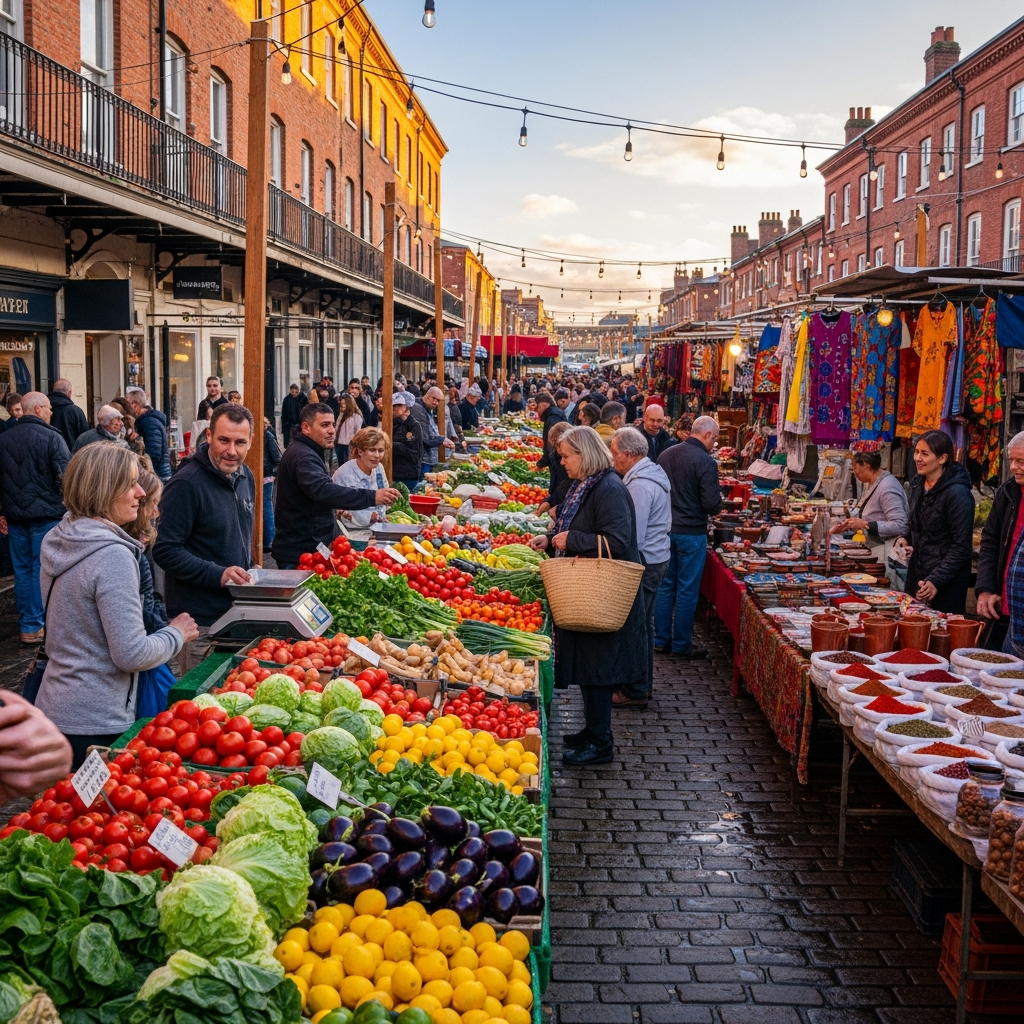
Here’s where the power of our local Ghanaian ingredients shines. Our markets are bursting with incredibly nutritious and affordable produce. Think about it: a bag of wholesome maize for banku, fresh garden eggs for abom, hearty beans for gobɛ, and a variety of green leafy vegetables like spinach and ayoyo. These are not just fillers; they are packed with essential vitamins, minerals, and fibre. They are the foundation of a truly sustainable and affordable healthy meals strategy.
Pros of relying on local Ghanaian foods:
- Cost-Effective: Often significantly cheaper than imported alternatives.
- Freshness & Availability: Readily available in season, meaning peak nutrition and flavour.
- Cultural Relevance: Meals you already love and know how to prepare.
- Supports Local Economy: Your cedis go directly to our farmers and market vendors.
Cons (mostly misconceptions to overcome):
- Perceived 'Lack of Variety': This is simply untrue! Our cuisine offers incredible diversity.
- Preparation Time: Sometimes traditional meals require more prep, but smart planning can mitigate this.
Crafting Your Ghana Diet Plan: Affordable, Delicious & Nutritious Meals

Building a practical and affordable Ghana diet plan starts with smart choices at every meal. Here are some ideas, keeping your pocket and health in mind:
Breakfast Power-Ups:
- Oats with Local Fruits: Forget the expensive oat blends. Plain rolled oats (often sold in bulk) cooked with water or a bit of local milk (soya or regular), topped with sliced mangoes, pawpaw, or bananas. A sprinkle of groundnuts adds protein and healthy fats. Total cost? Minimal!
- Waakye with Light Shito: A small plate of waakye, portioned correctly (less rice, more beans!), with a good amount of steamed vegetables and a spoonful of light shito (less oil). Skip the fried egg if you're watching calories and fat; a boiled egg is a great alternative. This can be a fantastic, filling start to your day.
- Koko and Koose/Bofrot: A small bowl of millet or maize koko, paired with one or two koose (bean fritters) or bofrot. The key is moderation with the fried items and ensuring your koko isn't overly sweetened.
Lunch & Dinner Delights:
- Kontomire Stew with Boiled Plantain/Yam: Our rich kontomire (cocoyam leaves) stew, bursting with iron and vitamins, can be made with affordable smoked fish or eggs. Pair it with a modest portion of boiled plantain, yam, or cocoyam instead of a huge mound of fufu every day.
- Light Soup with Fish and Veggies: A nutrient-dense light soup (clear soup) made with tomatoes, onions, peppers, and local spices. Add a piece of affordable grilled or boiled tilapia or mackerel. Serve with a small portion of banku or just enjoy it as a hearty broth with plenty of indigenous vegetables like garden eggs and okro.
- Gobɛ (Beans and Gari) with Fried Plantain: This classic is a powerhouse of protein and fibre. Control the portion of gari and the amount of oil used to fry the plantain. A generous helping of the beans with a small amount of gari and one or two pieces of kose (fried plantain) can be very satisfying and incredibly budget-friendly.
- Jollof Rice (the Healthy Way): Yes, jollof can be healthy! Focus on lean protein (chicken breast, fish), load up on mixed vegetables (carrots, green beans, peas), and use brown rice if available, or portion white rice mindfully. The rich tomato base is already a winner!
Smart Spending: Making Your Cedis Stretch Further

Eating well on a budget isn't just about what you buy; it's also how you buy and prepare it. Here are some practical tips to help you maximize your investment in your health:
- Hit the Local Markets: Makola, Kejetia, Tamale Central Market – these are your goldmines. Produce is freshest and cheapest when in season. Don't be shy to bargain respectfully! Buying in bulk for staples like rice, beans, and grains can save you cedis.
- Meal Planning is Your Best Friend: Take an hour each weekend to plan your meals for the week. This reduces impulse buying, food waste, and the temptation to buy expensive takeout. Write a shopping list and stick to it!
- Cook at Home: This is the ultimate budget and health hack. When you cook, you control the ingredients, oil, salt, and sugar. It’s far cheaper than buying restaurant food or street food daily, especially for families. Plus, you can often make extra for leftovers the next day, saving you time and effort.
- Embrace Portion Control: Even the healthiest foods need to be eaten in moderation. Use smaller plates, listen to your body’s hunger cues, and remember that our staple carbohydrates are energy-dense. Pair them with plenty of vegetables and lean protein.
- Hydrate, Hydrate, Hydrate: Water is free (or very cheap if you're buying sachet water). Drinking plenty of water helps with digestion, keeps you feeling full, and supports all your bodily functions. Ditch the sugary drinks and save your cedis.
- Grow Your Own (If You Can): Even a small pot of kontomire, garden eggs, or peppers on your balcony can make a difference and provide incredibly fresh ingredients.
Eating healthy in Ghana doesn't require a special diet or imported exotic foods. It’s about rediscovering the power of our local ingredients, making smart choices, and being a bit savvy with our cedis. So next time you're at the market, remember: your most affordable and nutritious Ghana diet plan is waiting right there, packed with flavour and tradition. Your body and your wallet will thank you!