Decoding Ghanaian Current Affairs: Your Guide to Everyday Impact

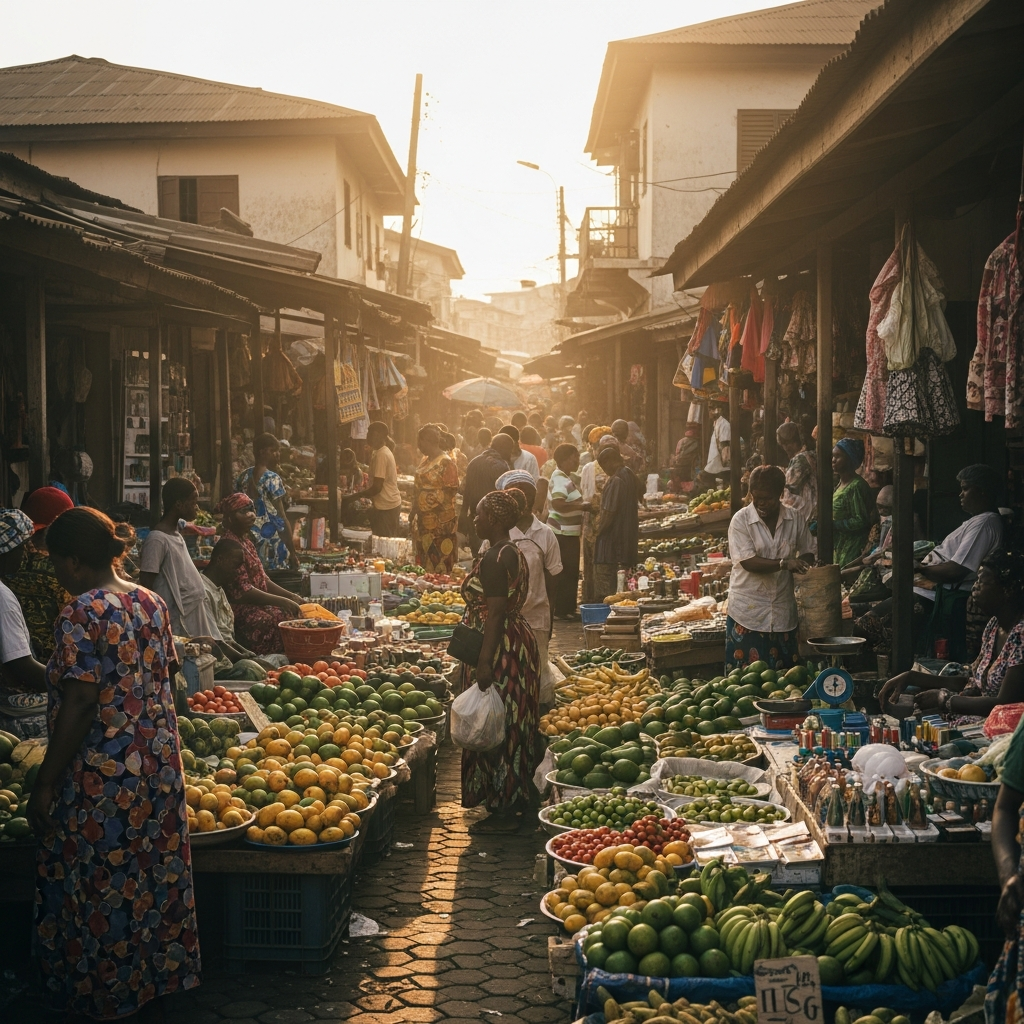
Ever found yourself sitting in a trotro, listening to the morning news on the radio, and wondering how all the talk about the cedi, government policies, or even global events truly impacts your ability to put jollof on the table tonight or send money via MTN MoMo to your family up north? It's easy to feel disconnected, to think that 'current affairs' are just for politicians or those studying for interviews. But chale, nothing could be further from the truth! Ghanaian Current Affairs are the very fabric of our daily lives, influencing everything from the price of kenkey at the market to the quality of healthcare at your local polyclinic.
At VibesGH, we believe that understanding the pulse of our nation isn't just about passing an exam; it's about making smarter choices for yourself, your family, and your community. So, let's break it down in a Q&A style, addressing the questions you might be asking.
Why Should I Even Care About Ghanaian Current Affairs?
Think of it this way: if you don't know the rules of the game, how can you play to win? Ghanaian current affairs are the 'rules' and 'updates' of our society. Knowing them empowers you. For instance, understanding economic policies helps you decide if it's a good time to invest in a business or save more. Awareness of health initiatives means you know your rights regarding the NHIS. When you’re abreast with issues like the government's plans for job creation, you're better positioned to spot opportunities or prepare for changes in the job market.
Beyond personal gain, being informed makes you a more effective citizen. You can engage meaningfully in local discussions, hold your leaders accountable, and make informed choices when it’s time to vote. It’s about building a stronger Ghana, one informed citizen at a time.
How Do Current Affairs Hit My Pocket and My Daily Life?

This is where it gets really practical. Let's talk cedis! When you hear about inflation or the cedi's performance against the dollar, it's not just economic jargon. It directly affects the cost of fuel for your trotro, the price of imported goods, and even local produce. If the cedi depreciates, your purchasing power drops, meaning your hard-earned money buys less than it did last month.
- Fuel Prices: Global oil prices and government taxes directly impact what you pay at the pump, affecting transport fares and the cost of moving goods from farm to market.
- Mobile Money Charges: Changes in e-levy or other financial regulations can alter how much you pay for sending and receiving money, a crucial part of life for many Ghanaians.
- Bank Interest Rates: Decisions by the Bank of Ghana on the policy rate influence how much you earn on savings or pay on loans from banks like GCB or CalBank.
- Cost of Food: Weather patterns, government agricultural policies, and road infrastructure all play a role in the availability and price of staples like yam, plantain, and garden eggs.
Practical Tip: Follow news on key economic indicators. When inflation is high, consider essential spending and look for local alternatives to imported goods. If interest rates are good, explore fixed deposits or Treasury bills through your bank or even some MoMo apps, but always understand the risks!
What Are Some Big Issues on Ghana's Plate Right Now?

One recurring and critical issue, especially in our major cities like Accra and Kumasi, is flooding. Every year, when the rains come, many parts of Accra become unmotorable, homes are submerged, and lives are tragically lost. This isn't just an act of nature; it's a complex issue tied to our urban planning, waste management, and enforcement of building laws.
Solutions often discussed include:
- Rebuilding and expanding major drains: Many of our existing drainage systems are old, narrow, or simply inadequate for the increasing population and development.
- Enforcing building and sanitation laws: Unauthorised structures on waterways and improper waste disposal choke drains, exacerbating the problem.
- Community education on waste disposal: We all have a role to play in not dumping refuse into gutters.
- Regular desilting and maintenance: Drains need constant clearing to function effectively.
These aren't just government responsibilities; they require collective action. Local assembly members, community leaders, and every individual need to be part of the solution.
Practical Tip: Get involved in local clean-up exercises. Report improper waste disposal or illegal structures to your assembly member. Every small action contributes to a larger solution.
How Can You Stay Informed Without Drowning in Information Overload?
In this digital age, news is everywhere, but discerning reliable information from misinformation can be a challenge. Here’s how to stay updated on Ghanaian Current Affairs without getting overwhelmed:
- Choose Reliable Sources: Stick to reputable news outlets like VibesGH, major newspapers, and established broadcasters. Be wary of unverified WhatsApp forwards or social media posts.
- Set Aside Dedicated Time: Instead of constantly checking your phone, dedicate 15-20 minutes each day to reading or watching the news. This helps you process information without feeling anxious.
- Focus on Key Areas: You don't need to know every single detail. Identify the sectors that impact you most (e.g., finance, health, local governance) and follow those more closely.
- Discuss and Debate Respectfully: Talk to friends, family, or colleagues about current events. Hearing different perspectives can deepen your understanding, but always keep it civil and respectful.
Practical Tip: Try our VibesGH app or newsletter! We curate important news, offering practical insights tailored for everyday Ghanaian life, saving you time and giving you the clarity you need.
What Can You Actually Do to Make a Difference?
It’s easy to feel helpless when faced with big national issues, but your individual actions collectively create change. Here are a few ways you can make an impact:
- Be a Responsible Citizen: Pay your taxes (GRA will thank you!), vote in elections (both national and local assembly), and participate in community initiatives.
- Speak Up: Use your voice responsibly. If you see something wrong in your community, report it to the appropriate authorities. Join local advocacy groups or online discussions.
- Support Local: When possible, buy made-in-Ghana products. This supports local businesses, creates jobs, and strengthens our economy.
- Educate Yourself and Others: Share reliable information. Help debunk myths and misinformation. Knowledge is power, and sharing it amplifies that power.
Understanding Ghanaian current affairs isn't just an academic exercise; it's a fundamental part of navigating life in our vibrant nation. By staying informed and engaged, you don't just react to events; you become an active participant in shaping Ghana's future. So keep learning, keep questioning, and keep contributing – because your voice, your decisions, and your actions truly matter.