Chop Life, Not Cedis: The Ultimate Ghana Meal Prep Budget Weekly Plan

Ever stood in front of an empty fridge at 7 PM, stomach rumbling louder than a broken trotro engine, and the only thing calling your name is the waakye joint down the street, or that tempting Jumia Food notification popping up on your phone? While delicious, these quick fixes often lead to a lighter wallet and sometimes, a heavier conscience. We've all been there, watching our cedis vanish with each spontaneous purchase. But what if I told you there's a way to enjoy delicious, satisfying Ghanaian meals all week, save a ton of money, and still have time for your favorite Ghallywood series? Ebi true! The secret? A well-thought-out Ghana meal prep budget weekly plan.
Many people hear 'meal prep' and instantly picture 'oyibo' salads, exotic berries, and expensive salmon. They think it's not for us, not for our kitchens, and certainly not for our pockets. But let's be real, our Ghanaian palates need flavour, our bellies need substance, and our pockets need respect! The truth is, meal prepping is one of the smartest money moves you can make, tailored perfectly for our local realities.
The Silent Cedis Drain: Why We Need Meal Prep
Think about it: how many times have you rushed from work, too tired to cook, and ended up buying a plate of jollof, or a full complement of banku and okro stew from the nearest chop bar? Or maybe you pop into the supermarket for 'just one thing' when you're hungry, and leave with a basket full of snacks and junk food. Those unplanned trips to the roadside khebab seller or the 'quick' stop at the nearest joint might seem small, but add them up, and your MTN MoMo balance takes a serious hit. It's not just the money; it's the time spent deciding, waiting, and sometimes, regretting. This is where a Ghana meal prep budget weekly plan shines, turning chaos into calm, and expenses into savings.
Why a Ghana Meal Prep Budget Weekly Plan is Your New Best Friend
Embracing meal prep, Ghanaian style, isn't just a trend; it's a lifestyle upgrade. Here’s why it works wonders:
- Save Your Cedis: When you plan your meals, you buy exactly what you need. No more impulse buys at the market when hunger dictates your choices, and no more daily spending on takeout. Buying in bulk for staples like rice, oil, and proteins often means better prices too.
- Reclaim Your Time: Imagine cooking once or twice a week and having ready-to-eat meals for days. That's hours saved from daily cooking, dishwashing, and decision-making. More time for family, hobbies, or just chilling.
- Eat Healthier, Our Way: You control the ingredients, the oil, the salt, and the portions. Say goodbye to unknown additives and excessive fats. You can focus on whole foods, lean proteins, and plenty of our vibrant Ghanaian vegetables – kontomire, garden eggs, okra, ayoyo, you name it!
- Reduce Food Waste: Ever bought fresh garden eggs only for half of them to spoil before you used them? Meal prep ensures you utilize what you buy, minimizing waste and maximizing value.
Crafting Your Ultimate Ghanaian Meal Prep Budget Weekly Plan
Ready to transform your kitchen and your finances? Here’s your step-by-step guide to a truly effective Ghana meal prep budget weekly plan:
Step 1: Plan Like a Pro (with a Ghanaian Twist)
Grab a pen and paper or use your phone's notes app. Think about your family's favorite Ghanaian meals that reheat well. We're talking:
- Waakye (rice and beans)
- Banku with okro stew or light soup
- Kontomire stew with yam or plantain
- Rice with palava sauce (nkontomire stew with agushi)
- Groundnut soup with fufu
- Jollof Rice with chicken or fish
Aim for variety but also efficiency. Maybe one stew for three different starch sides throughout the week. Consider incorporating plenty of vegetables and lean proteins like chicken, fish, or beans.
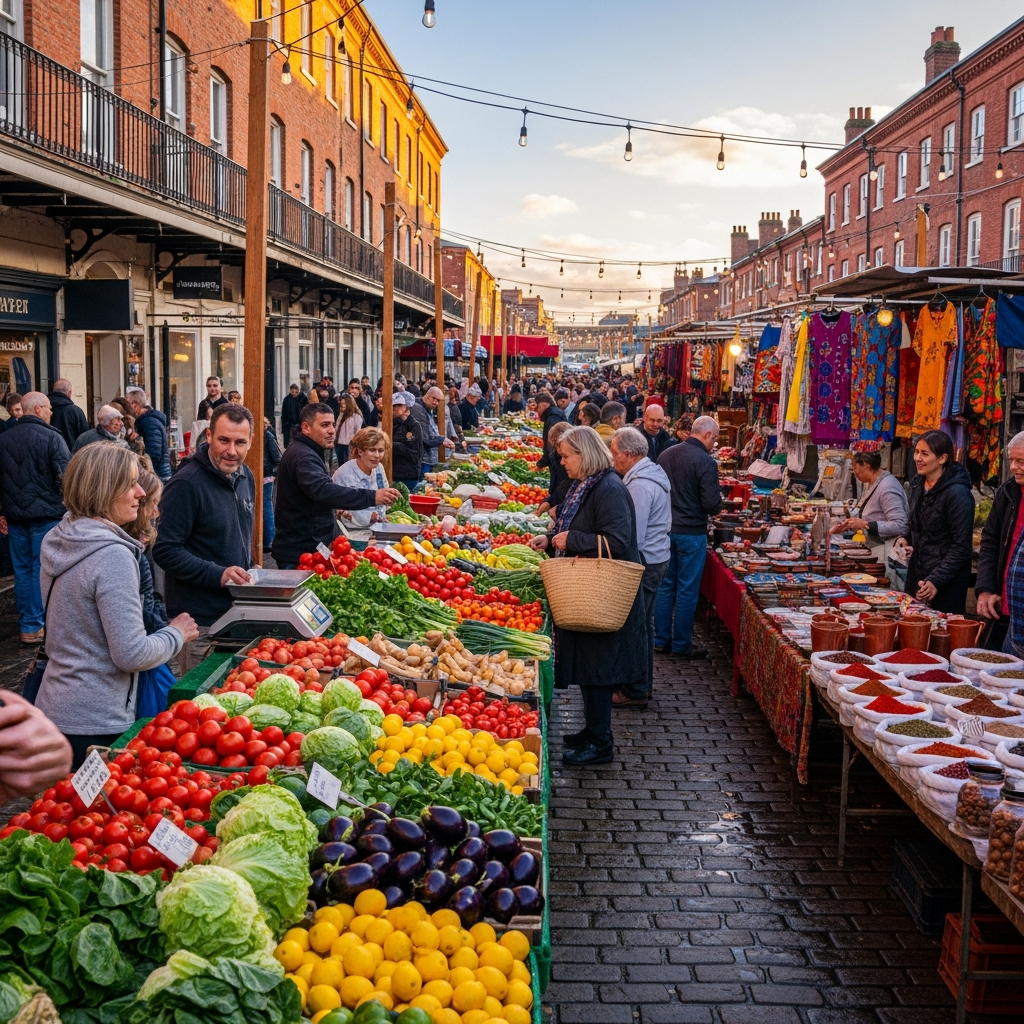
Step 2: Smart Shopping – Makola, Kaneshie, or Your Local Market Edition
This is where your planning pays off. Go to the market with your list, and stick to it! A full stomach helps you avoid buying extra goodies you don't need.
- Buy in Season: Seasonal produce is always cheaper and fresher. Mangoes in season? Load up!
- Bargain Politely: It's part of our culture. A friendly 'auntie, mede b3y3 kakra?' can save you a few cedis.
- Bulk Buy Staples: For items like rice, oil, gari, beans, and certain spices, buying in larger quantities often means better per-unit pricing. Just ensure you have proper storage at home.
Step 3: The Prep Day Hustle (Your Sunday Session)
Dedicate a few hours on a weekend (Sunday works best for many) to get everything ready. Put on some highlife music and make it fun!
- Wash and Chop: All your vegetables – onions, tomatoes, peppers, garden eggs, kontomire – get them washed and chopped. Store them in airtight containers.

- Cook Starches: Boil a large pot of rice, yam, or plantain. You can even prepare banku dough in advance or cook it and portion it out.
- Prepare Proteins: Boil or grill chicken, fry fish, or cook beans in a large batch. This forms the base for many meals.
- Cook Stews/Soups: This is the big one! Prepare a large pot of your chosen stew (e.g., okro stew, kontomire stew, groundnut soup). It can serve you for several days.
Step 4: Ghanaian Meal Ideas to Get You Started
Here are some delicious and budget-friendly Ghanaian meal prep combinations:
- Breakfast: Koko with koose or bofrot (prepare koko mix and fry koose in batches), oats with pre-chopped fruits, boiled eggs with a slice of bread.
- Lunch/Dinner Combinations:
- Option 1: A big pot of Jollof Rice (prepare the sauce base, cook a large batch of jollof), served with grilled chicken/fish (cooked in advance) and a simple vegetable salad (pre-chopped veggies).
- Option 2: Banku with Okro Stew/Soup. Prepare a large pot of okro stew. On the day, you can either make fresh banku quickly or reheat pre-made portions.
- Option 3: Kontomire Stew with Boiled Yam/Plantain. Cook the kontomire stew in bulk. Simply boil a new batch of yam or plantain as needed, or boil a large batch and store it.
- Option 4: Palava Sauce with Rice or Ampesi. Just like kontomire stew, this can be cooked in a large quantity and served with different starches.
- Snacks: Fresh fruits like mangoes, pineapples, watermelon (pre-chopped), groundnuts, tigernuts. These are healthy, affordable, and readily available.
Step 5: Storage is Key!
Invest in good quality, airtight containers. Glass containers are excellent for reheating and durability. Portion your meals out into individual servings immediately after cooking and cooling. Store in the fridge for up to 3-4 days or freeze for longer periods (up to a month for most stews and proteins). Always ensure your food is cooled completely before refrigerating or freezing to maintain freshness and safety. Imagine having your kontomire stew already cooked, just waiting for you to steam some plantain after a long trotro ride from Circle. Pure bliss!
Your Kitchen, Your Power
Taking control of your meals through a Ghana meal prep budget weekly plan is more than just about food; it's about smart living. It's about respecting your cedis, valuing your time, and prioritizing your health, all while enjoying the rich, vibrant flavours of Ghanaian cuisine. No more last-minute scrambles or guilt-inducing takeaway bills. So next time you're about to dial for delivery, remember the power you hold in your kitchen. Start your meal prep journey today and watch your cedis grow and your waistline thank you!