Unveiling Northern Ghana: Your Off-The-Beaten-Path Travel Guide
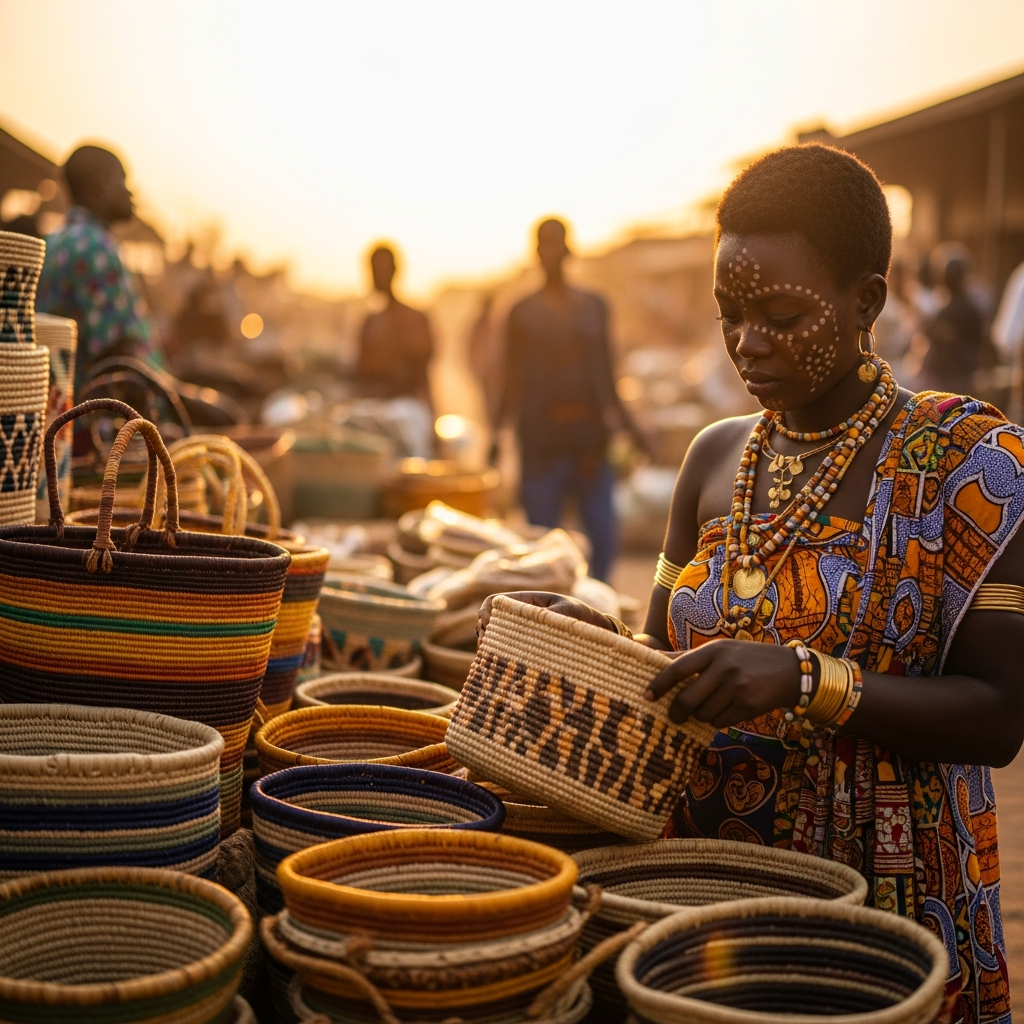
Imagine escaping the Accra traffic, the constant honking of taxis, and the never-ending search for waakye at your favourite spot. What if you traded it all for open skies, ancient traditions, and landscapes that stretch as far as the eye can see? Northern Ghana offers just that – a chance to disconnect from the familiar and discover a side of Ghana many only dream of.
This isn't your typical tourist brochure. This is your friend talking, the one who's already braved the bumpy roads and haggled for the best prices at the market. Get ready to ditch the ordinary and embrace the extraordinary with this Northern Ghana travel guide!
Step 1: Getting There and Getting Around
First things first: how do you even get to Northern Ghana? Tamale is your gateway. You can fly from Accra (PassionAir and Africa World Airlines offer regular flights), or you can take a long-distance bus. Think about 12-15 hours on the bus, so pack snacks, water, and maybe a travel pillow. Companies like VIP Jeoun, OA, and Metro Mass Transit are popular choices. Book in advance, especially during holidays.
Once you're in Tamale, getting around requires a bit of planning. Tro tros are available for short distances within the city, but for exploring the region, consider these options:
- Hiring a car: This gives you the most freedom, but be prepared for potentially rough roads. A 4x4 is recommended, especially if you plan to visit more remote areas.
- Renting a motorbike (Okada): Cheaper than a car, but only for experienced riders. Safety first – always wear a helmet!
- Hiring a driver: A good option if you're not comfortable driving yourself. Negotiate the price beforehand.
Pro Tip: Download a map of Tamale on your phone before you arrive. Mobile data can be spotty in some areas, so having an offline map is a lifesaver.
Step 2: Unearthing the Hidden Gems
Okay, you're in Northern Ghana. Now what? Forget the usual tourist traps. Here's where the real adventure begins:
- Tamale's Red Clay Studio: Described as a series of large art, the Red Clay Studio is less of a 'center of town' and more of an experience. It is a place to find creative inspiration and unexpected beauty.
- Larabanga Mosque: One of the oldest mosques in West Africa, steeped in history and legend. The architecture is stunning, and the local guides are full of stories. Remember to dress respectfully (cover your shoulders and knees).
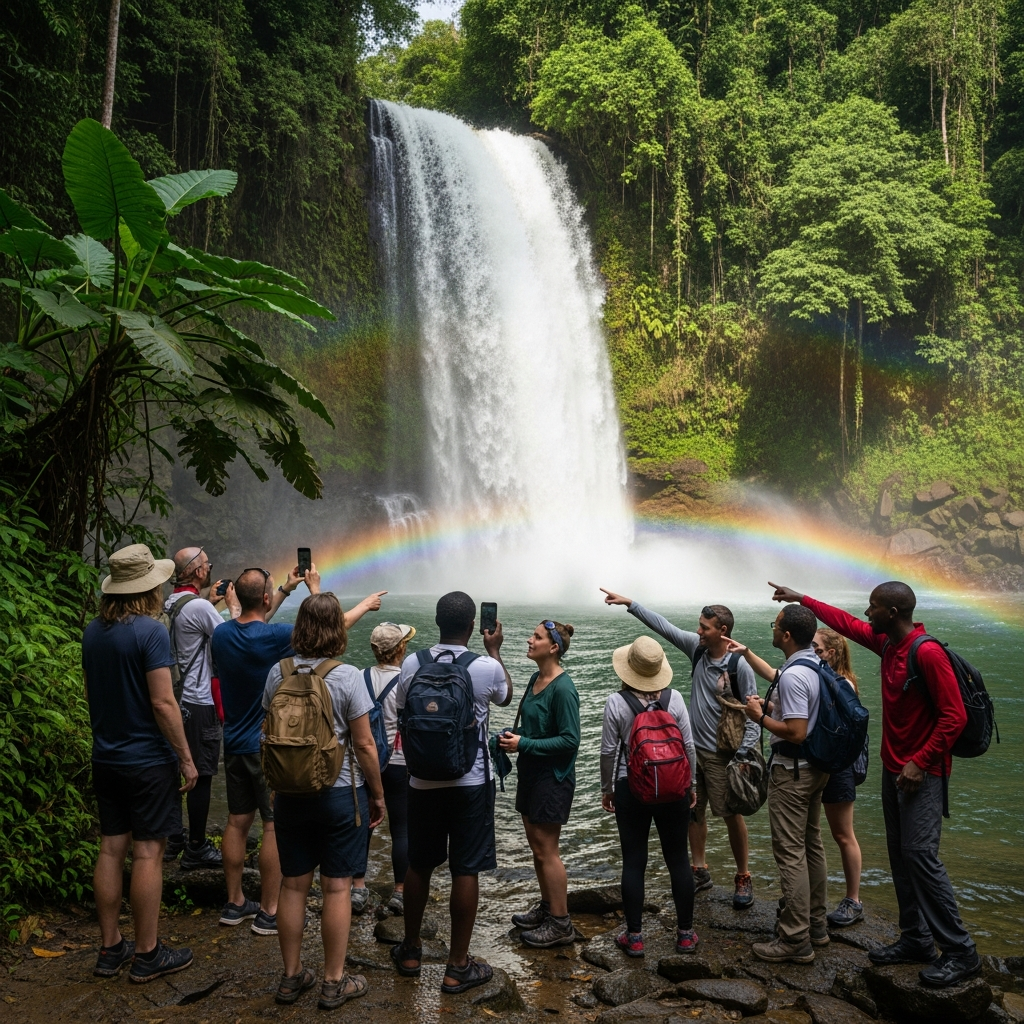
- Mole National Park: Ghana's largest national park. Go on a safari and spot elephants, antelopes, monkeys, and a variety of birds. The dry season (November to March) is the best time for wildlife viewing.
- Tongo Hills (Upper East Region): Hike through these unique rock formations and learn about the traditional beliefs of the local people. The views from the top are breathtaking.
- Paga Crocodile Pond: Get up close and personal with friendly crocodiles (yes, you read that right!). These crocs are considered sacred, and you can even touch them. Just listen to your guide!
Pro Tip: Carry enough cash (cedis). While some places in Tamale accept mobile money (MTN MoMo, Vodafone Cash, AirtelTigo Money), smaller towns and villages may not.
Step 3: Immersing Yourself in the Culture
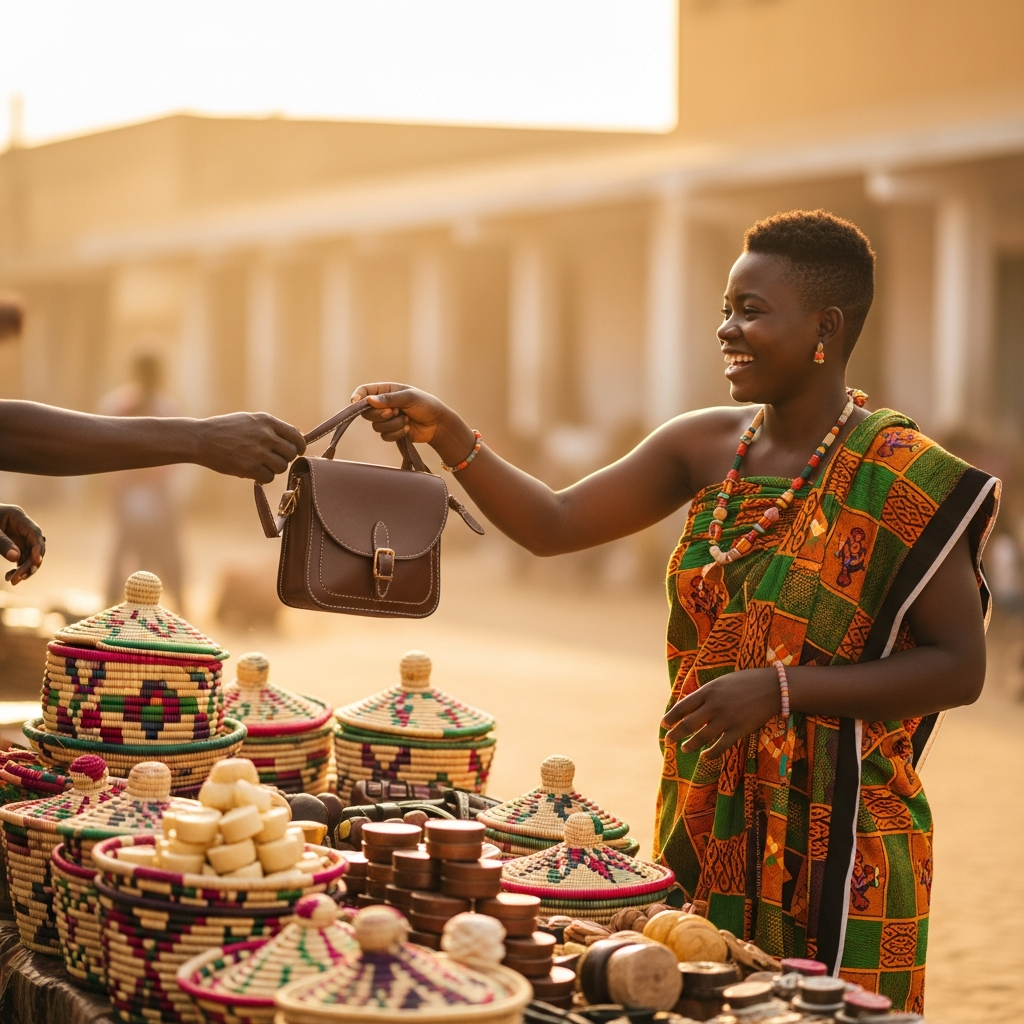
Northern Ghana is more than just beautiful landscapes; it's a place where culture thrives. Take the time to connect with the local people and learn about their traditions.
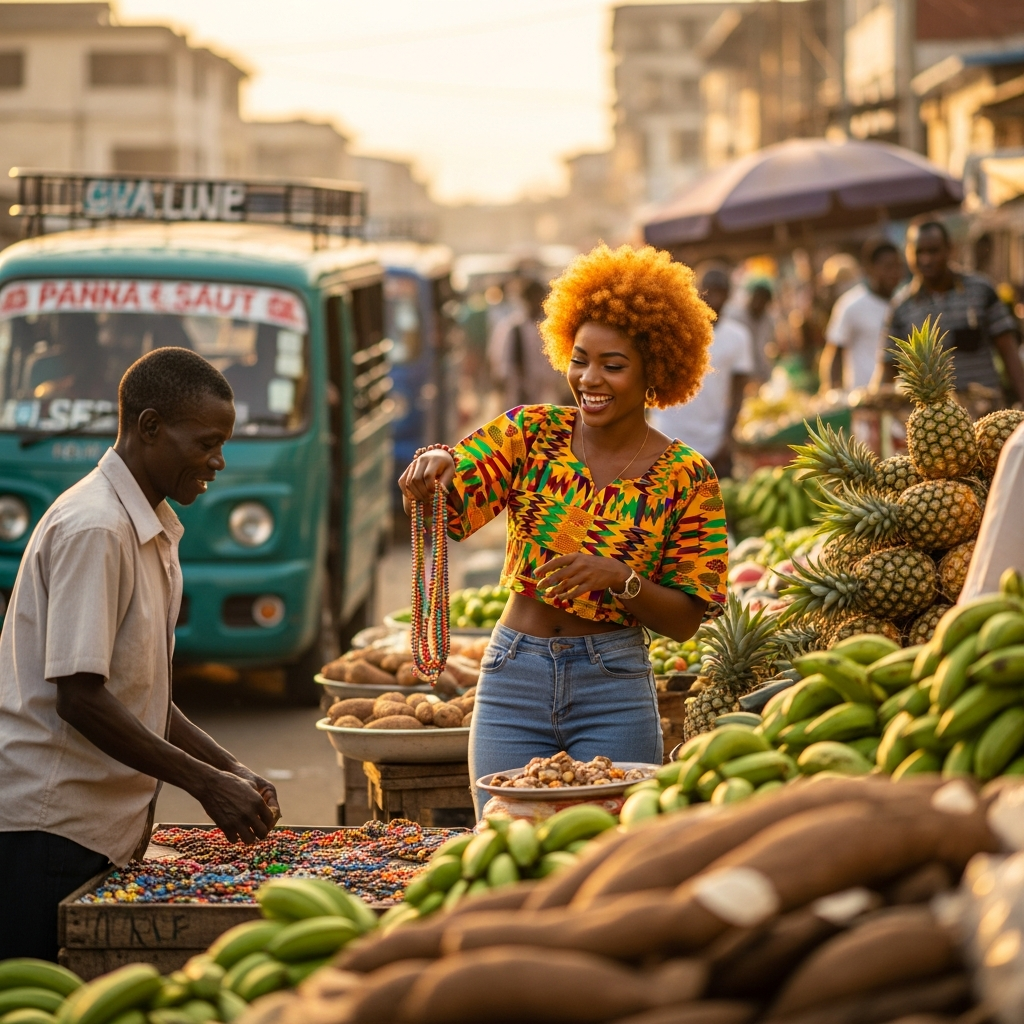
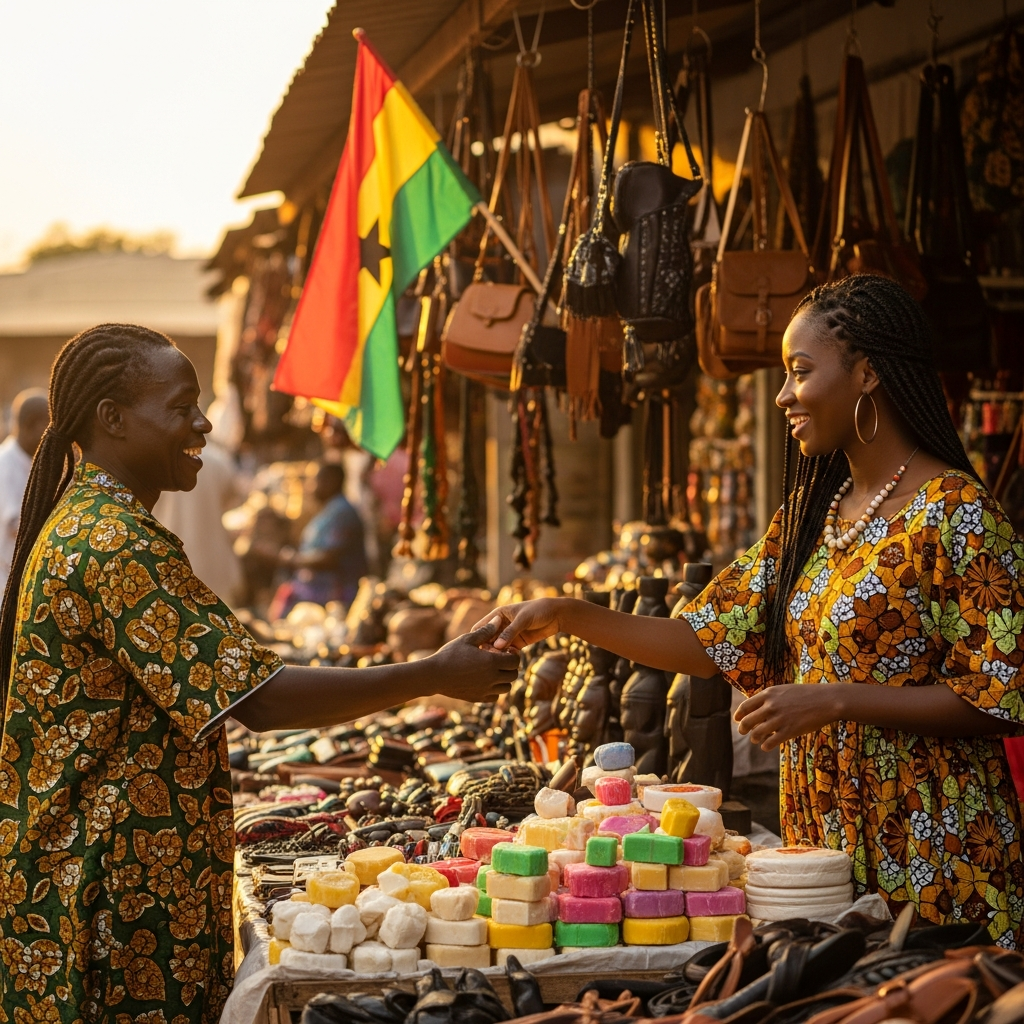
- Visit a local market: Experience the vibrant atmosphere and sample local delicacies. Don't be afraid to bargain – it's part of the culture!
- Attend a festival: If you're lucky enough to be there during a festival, don't miss it. You'll witness colourful dances, drumming, and traditional ceremonies.
- Learn a few Dagbani phrases: Even a simple "Naa Lunteer" (Good morning) or "Ghana Burunya" (Thank you) will go a long way.
- Try the local cuisine: Northern Ghana has its own unique dishes. Sample Tuo Zaafi (a maize-based dish), Guinea fowl, and dawadawa (a fermented locust bean seasoning).
Pro Tip: Be mindful of local customs and traditions. Ask permission before taking photos of people, and avoid wearing revealing clothing in conservative areas.
Step 4: Budgeting and Staying Safe
Northern Ghana is generally more affordable than Accra, but it's still important to budget wisely. Accommodation ranges from budget guesthouses to more comfortable hotels. Food is relatively cheap, especially if you eat at local restaurants.
- Accommodation: Expect to pay anywhere from GHS 50 to GHS 300 per night, depending on the type of accommodation.
- Food: You can get a decent meal for GHS 10-30.
- Transportation: Tro tro fares are usually around GHS 2-5. Hiring a car or driver will cost more, so factor that into your budget.
Safety is also important. Take the usual precautions:
- Avoid walking alone at night in unfamiliar areas.
- Keep your valuables safe.
- Be aware of your surroundings.
- Drink bottled water.
Pro Tip: Get a local SIM card with a data bundle. This will make it easier to stay connected and navigate.
Northern Ghana is waiting. It's a journey for the adventurous, the curious, and those seeking a deeper connection with Ghana's rich heritage. So, ditch the ordinary, pack your bag, and get ready to discover the hidden gems of the north. You won't regret it!