Launch Your Own Ghana Streetwear Brand: A Step-by-Step Guide

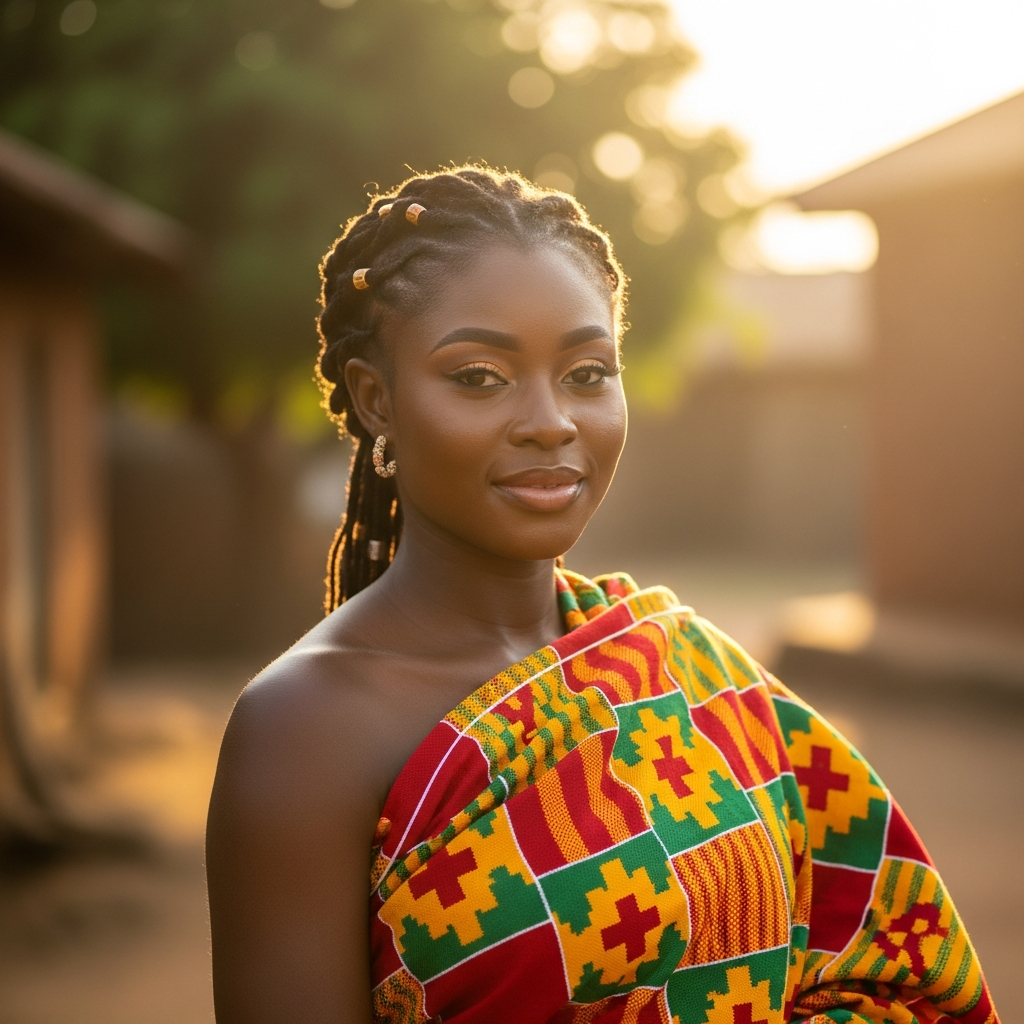
Imagine walking through Osu or Makola market, seeing someone rock a tee with your unique design, your brand name proudly displayed. Or scrolling through Instagram and seeing a celebrity like Black Sherif or Sarkodie sporting your hoodie, turning heads globally. What if you could be the next Free The Youth, pushing Ghanaian style onto the world stage, creating a movement right from Accra, Kumasi, or Tamale? That dream isn't as far-fetched as it seems, especially with the explosion of Ghana streetwear brands gaining global recognition.
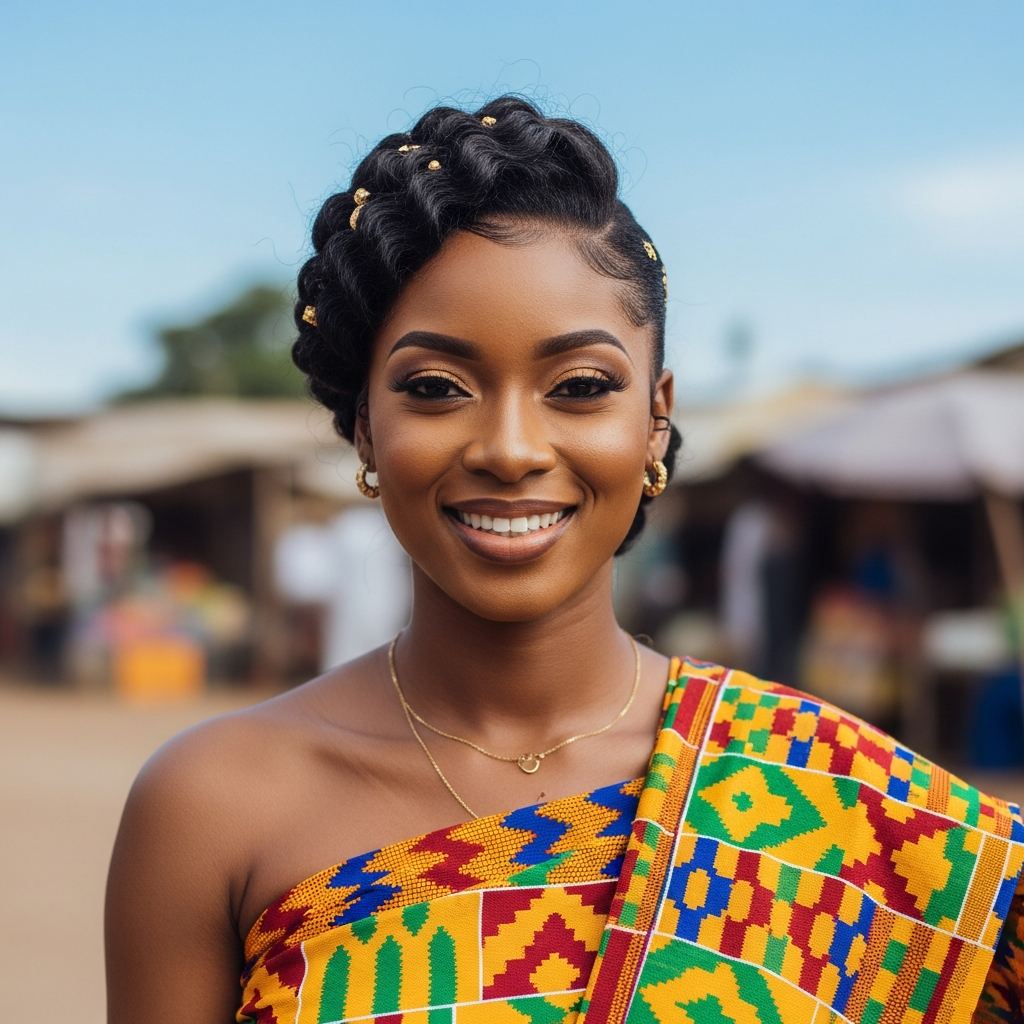
The energy, creativity, and unique cultural tapestry of Ghana are perfectly suited for the streetwear scene. It's about more than just clothes; it's about identity, expression, and storytelling. If you've been nurturing that spark of an idea to launch your own brand, this guide is for you. Let's walk through the practical steps to turn that vision into a thriving business, one stitch at a time.
Step 1: Discover Your Signature – Defining Your Brand Identity
Before you even sketch a design, you need to know who you are. What's your brand's story? What message do you want to convey? Your brand identity is your DNA, setting you apart in a crowded market. Are you edgy and rebellious, like some of the pioneers? Or more minimalist and culturally rooted? Think about:
- Your Niche: Who are you designing for? The university student? The young professional? The global Ghanaian diaspora?
- Your Inspiration: What aspects of Ghanaian culture, history, or daily life resonate with you? Adinkra symbols, proverbs, local landmarks, or even the vibrant chaos of a trotro station can be sources of endless creativity. Give it a fresh, urban twist.
- Your Brand Name & Logo: Choose something memorable, pronounceable, and relevant. Your logo should be simple yet impactful. Consider working with a talented local graphic designer – perhaps a student from a university like KNUST or UG – to bring your visual identity to life. Look at how brands like Tribe of God or Subwae Studios weave their unique identities into every piece.
Step 2: From Concept to Fabric – Design and Sourcing
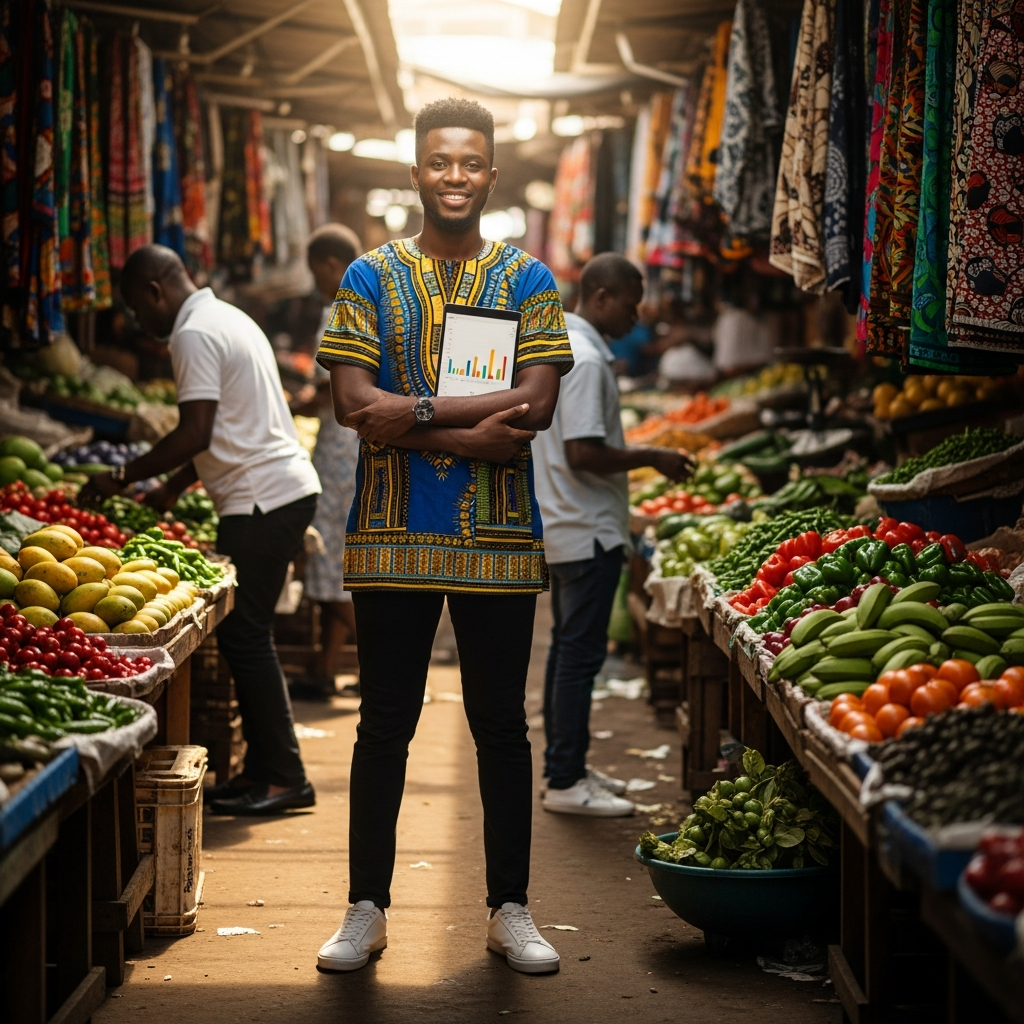
This is where your vision takes tangible form. It's exciting but requires meticulous attention to detail.
- Design & Prototypes: Start with sketches, then move to digital mock-ups. Don't be afraid to experiment! Once you have your core designs, get a few samples made. This helps you identify flaws and refine the fit and feel. Remember, the first prototype rarely makes it to production.
- Fabric Selection: Quality matters. Look for durable, comfortable fabrics that stand the test of time and Ghana's weather. Local cotton blends can be a great starting point, supporting local industries. Visit fabric markets in Accra Central or Kumasi to feel different materials and build relationships with suppliers.
- Finding Production Partners: This is crucial. You'll need skilled tailors or a small production house. Start small, perhaps with a talented seamstress in your community or a workshop in Kantamanto. Clearly communicate your designs, fabric choices, and quality expectations. Building a strong relationship with your production team is key to maintaining consistent quality for your Ghana streetwear brands.
Step 3: Fueling the Dream – Funding Your Business
Every great idea needs fuel. Don't let a lack of huge capital stop you; start smart and scale up.
- Start Small: Many successful brands began with personal savings. Invest in a small batch of your best designs first. This minimizes risk and allows you to test the market.
- Pre-Orders: Once you have fantastic samples, consider taking pre-orders. This helps you gauge demand and secure funds for production without dipping too heavily into your own pocket. Use reliable payment methods like MTN MoMo or Vodafone Cash for local transactions, or traditional bank transfers for larger sums. Local banks like GCB or Ecobank can also offer business accounts for better financial management.
- Budgeting: Create a realistic budget covering fabric costs, production fees, marketing, and packaging. Track every cedi carefully. Remember, every penny saved is a cedi earned.
Step 4: Spreading the Word – Marketing and Sales for Ghana Streetwear Brands
Your designs are fantastic, but no one will know if you don't shout about them! Marketing is how you connect with your audience.
- Social Media Domination: Instagram and TikTok are your best friends. Create high-quality content featuring your designs worn by diverse models (your friends, local influencers). Show behind-the-scenes glimpses of your creative process. Engage with your followers and build a community.
- Collaborate Locally: Partner with local musicians, artists, or micro-influencers whose brand aligns with yours. A well-placed mention or feature can do wonders for visibility, especially within specific youth subcultures.
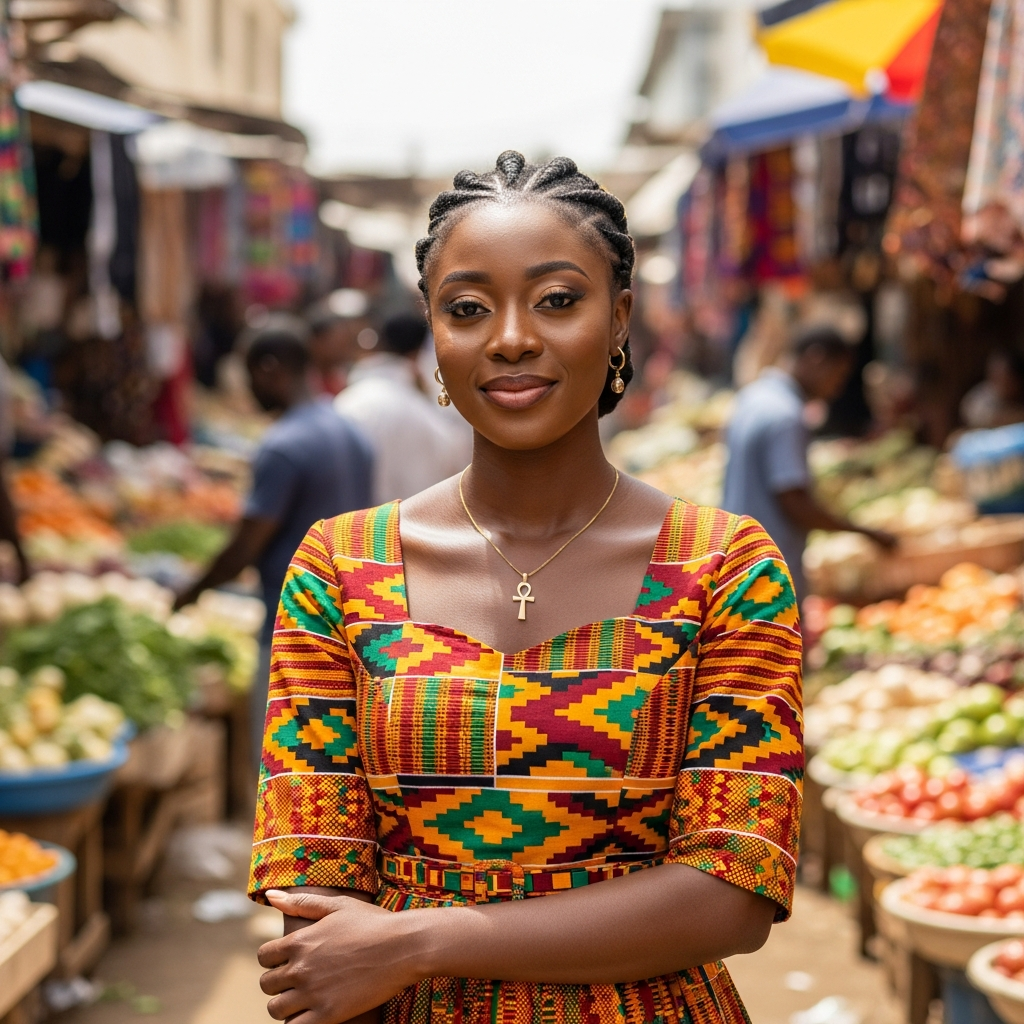
- Pop-Up Shops & Events: Set up stalls at local fashion fairs, university events, or popular markets. This gives people a chance to see and feel your clothes firsthand, creating a tangible connection. Imagine showcasing your designs at a bustling event in Accra or Kumasi.
- Online Store: Set up an e-commerce platform. Shopify is popular globally, but there are also local options. Ensure your website is user-friendly and showcases your products beautifully. For deliveries within Ghana, partner with reliable local dispatch services like Bolt or Yango for quick service, or smaller independent riders for more personalized delivery.
- Pricing Strategy: Research what similar Ghana streetwear brands are charging. Price your items competitively, but also ensure they reflect the quality and uniqueness of your work. Don't undersell your craft.
Step 5: Keeping It Legit – Business Formalities
Operating legally ensures sustainability and builds trust.
- Business Registration: Register your business with the Registrar General's Department. This makes you official and protects your brand name.
- Tax Compliance: Understand your tax obligations with the Ghana Revenue Authority (GRA). It's always best to be compliant from the start.
- Intellectual Property: Consider trademarking your brand name and logo. This protects your unique designs from being copied and ensures your hard work isn't exploited.
Step 6: Grow and Evolve – The Future is Yours
The journey doesn't end after launch; it's just beginning. Listen to customer feedback, stay updated on trends, and continue to innovate. Experiment with new materials, collaborate with other creatives, and always strive to improve. The success of brands like Free The Youth, even securing an exclusive Air Jordan collaboration, shows just how far Ghanaian creativity can go. Your brand has the potential to tell a unique story and resonate not just in Ghana, but across the globe.
So, what are you waiting for? That dream of seeing your designs light up the streets of Accra, London, or New York starts with a single step. Tap into that Ghanaian spirit of innovation and make your mark. The world is ready for what you have to offer!