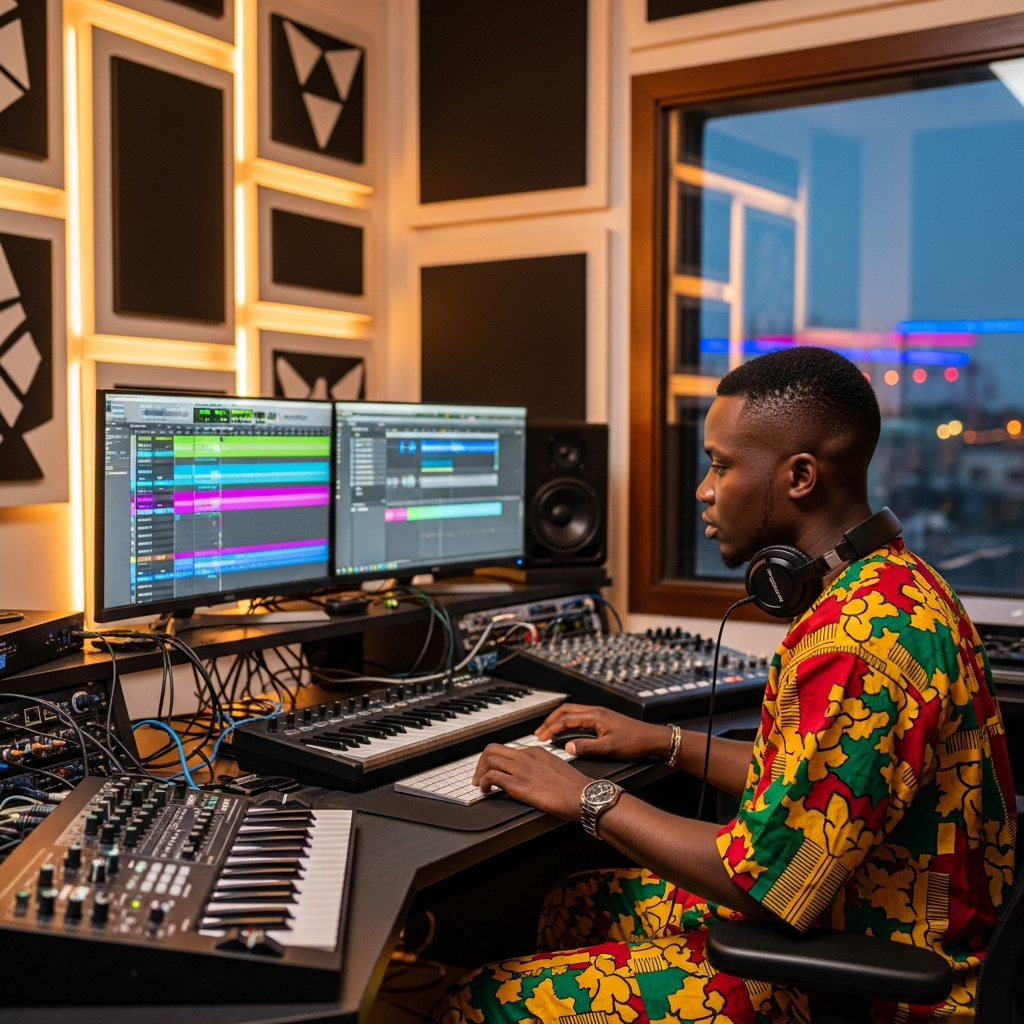
Ghana Music Royalties: Your Step-by-Step Guide to Earning From Streams

Every street corner, every trotro ride, every celebration in Ghana pulsates with our incredible music. From Accra's vibrant nightlife to Kumasi's bustling markets, our artistes are giving us the soundtracks to our lives, crafting bangers that resonate from Tema to Tamale. But here's the million-cedi question: beyond the viral dance challenges and booming sound systems, are our talented musicians actually seeing a fair share of the cedis from their hard work, especially when it comes to Ghana music industry business streaming royalties? It’s a puzzle many find frustrating, with streams racking up in the millions while bank accounts remain stubbornly low. Don't worry, you’re not alone. Let’s break down the often-confusing world of music streaming royalties into clear, actionable steps, so you can start getting what you deserve.
Step 1: Understanding What Streaming Royalties Are (and Aren’t)
Think of streaming royalties as your digital paycheck. Every time someone in Ghana or beyond presses play on your song on platforms like Spotify, Apple Music, Boomplay, Audiomack, or YouTube, a tiny fraction of a cedi is generated. These aren't like selling a CD where you get a lump sum upfront. Instead, it's a micro-payment system that adds up over time, usually distributed monthly or quarterly. The challenge? These fractions are tiny. We’re talking about figures that might look like GHS 0.005 per stream. To make a meaningful income, you need millions of streams. Knowing this helps set realistic expectations and informs your strategy.
Step 2: The Gateway to Platforms – Your Digital Distributor
You can’t just upload your music directly to Spotify or Apple Music unless you're a major label. This is where digital music distributors come in. These companies act as your bridge, taking your music and pushing it out to all the major streaming platforms worldwide. Popular distributors include TuneCore, DistroKid, CD Baby, and believe it or not, some local players are emerging too. They collect the streaming revenue from the platforms and then pay you, usually taking a percentage or charging an annual fee.
- Actionable Tip: Research distributors carefully. Compare their fees, payout thresholds, and the services they offer (e.g., analytics, YouTube Content ID, publishing administration). Read their terms and conditions to understand their cut and how often they pay out. Some pay directly to your bank account or via PayPal, which you can link to a local bank or a virtual dollar card.
Step 3: Registering Your Rights with GHAMRO and Other Collecting Societies
This is a crucial step often overlooked by Ghanaian artists. The Ghana Music Rights Organisation (GHAMRO) is our local collective management organisation (CMO). Their job is to collect royalties for the public performance and broadcast of your music – this includes when your song plays on radio, TV, in a club, or even a barber shop. While streaming platforms pay performance royalties directly to distributors in many cases, GHAMRO also plays a role in collecting for specific public uses within Ghana.
Beyond GHAMRO, consider registering with international performing rights organizations (PROs) or mechanical rights organizations (MROs) if your music is gaining traction globally. Your distributor might offer publishing administration services that handle this for you, but understand the fine print.
- Actionable Tip: Visit the GHAMRO office in Accra or Kumasi, or check their website for registration details. Understand their fee structure and how they track and distribute royalties. Don't leave money on the table just because you haven't filled out a form!
Step 4: Decoding Your Earnings and Splits – Who Gets What?
Understanding who gets paid what from a single stream is like dissecting a plate of jollof rice – many ingredients make up the whole! There are typically two main types of royalties generated:
- Master Recording Royalties: Paid to the owner of the sound recording (usually the artist or their record label).
- Publishing Royalties: Paid to the songwriter(s) and publisher(s) for the composition itself.
When your song is streamed, the platform pays a chunk to the record label/distributor (for master recording) and another chunk to the publisher/songwriter (for publishing). If you're an independent artist, you often own both the master recording and the publishing, but you need to ensure you're registered to collect both. If you have collaborators – producers, featured artists, songwriters – you need clear agreements on how these royalties are split before the music is released. This can be complex, and many Ghanaian artists lose out due to handshake deals that later fall apart.
- Actionable Tip: Get everything in writing. Use simple contracts or split sheets outlining percentages for master recordings and publishing. Consult with a legal professional specializing in entertainment law if possible. Don't be shy about protecting your financial interests.
Step 5: Tracking Your Ghana Music Royalties and Financial Literacy
The digital age offers powerful tools for tracking your performance. Your chosen distributor will provide a dashboard where you can see your streams, geographical data, and estimated earnings. This data is gold! It helps you understand your audience, where your music is most popular, and which strategies are working.
However, tracking isn't enough. You need to develop sound financial literacy. Understand how much you're earning, how much you're spending on promotion, and what your net income truly is. Many artists treat their music as a passion but forget it's also a business.
- Actionable Tip: Regularly log into your distributor's dashboard. Reconcile your payouts with your stream counts. Open a dedicated bank account for your music earnings, separate from your personal funds. Consider mobile money platforms like MTN MoMo or Vodafone Cash for receiving smaller, faster payouts if your distributor supports it, or for budgeting your music expenses. Don't forget about your tax obligations to the GRA; every business needs to pay its due.
Step 6: Diversify Your Income Streams (Beyond Just Plays)
While streaming royalties are essential, they shouldn't be your only source of income. Smart Ghanaian artists know how to create a robust financial ecosystem around their music.
-
Live Performances: Gigs, concerts, festivals – still a major income driver.
-
Merchandise: T-shirts, caps, branded items. Fans love to rep their favourite artists.
-
Sync Licensing: Getting your music used in films (think Ghallywood!), TV shows, commercials, or video games. This can be lucrative.
-
Brand Endorsements: Partnering with companies whose values align with yours.
-
Direct Fan Support: Platforms like Patreon or simply offering exclusive content to subscribers.
-
Digital Sales: Selling your music directly from your website or Bandcamp.
-
Actionable Tip: Brainstorm at least two new income streams you can implement in the next three months. Can you design a simple T-shirt? Can you host a small, intimate acoustic show? Every cedi counts!
There's no magic wand to instantly turn millions of streams into millions of cedis overnight, but by taking these deliberate steps, Ghanaian musicians can take greater control over their earnings and ensure their artistry is not just celebrated, but also financially rewarded. The music never stops, and with the right knowledge, the money doesn’t have to either. Keep pushing boundaries, keep creating, and most importantly, keep securing your bag! Your music deserves it, and so do you.