Ghana Music Royalties: A Step-by-Step Guide for Artists
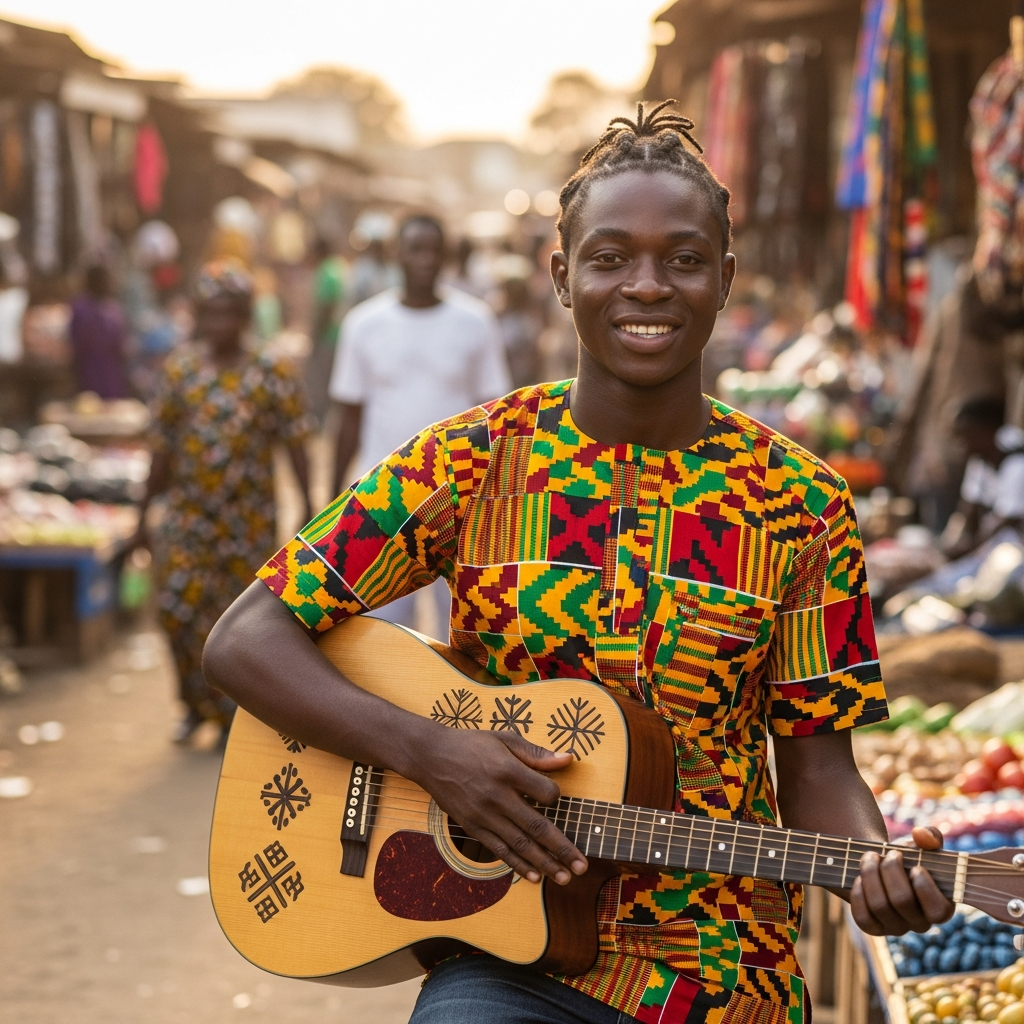
Picture this: The lights dim, the crowd roars, and your latest banger has everyone on their feet at a packed venue, perhaps during a Ghana Music Awards pre-show. Your song is everywhere – blasting from trotros, ringing in Makola markets, and making waves on TikTok. It feels like you've made it, right? But then the month ends, and your MTN MoMo alert for your Ghana music industry business streaming royalties looks... well, a little too quiet. It’s a reality many Ghanaian artists face, from rising stars to established names like AY Poyoo, who've openly shared their frustrations.
It's a puzzling paradox: Ghana has an undeniable abundance of musical talent, with our sounds captivating ears globally. Yet, many of our own cannot make a sustainable living from their art. The good news? Understanding the game is half the battle won. While the system can feel complex, especially when dealing with international streaming platforms and local realities, it's not impossible to navigate. This guide is your friendly, step-by-step blueprint to demystify streaming royalties and help you actually get paid for your incredible work.
Step 1: Own Your Craft – Copyright is King!
Before your song even hits a single ear on Spotify or Boomplay, you need to firmly establish ownership. Think of it like owning a piece of prime land in East Legon – you wouldn't let someone build on it without your permission, right? The same applies to your music. As Sarkodie wisely advised, making money from music goes beyond just uploading it; it comes from owning your work.
What to do:
- Register Your Work: In Ghana, your first stop should be the Copyright Office within the Registrar-General's Department. While copyright technically exists the moment you create something, official registration provides stronger legal backing. You can also look into registering with the Ghana Music Rights Organisation (GHAMRO), which collects and distributes royalties for public performances and broadcasts of your music. They are crucial for ensuring you get paid when your song plays on Ghanaian radio stations or at public events.
- Understand Your Rights: Familiarise yourself with what mechanical rights (for reproduction, like streaming) and performance rights (for public broadcast) mean. Knowing your rights empowers you to protect your earnings.
Step 2: Distribute Smartly – Choose Your Partners Wisely
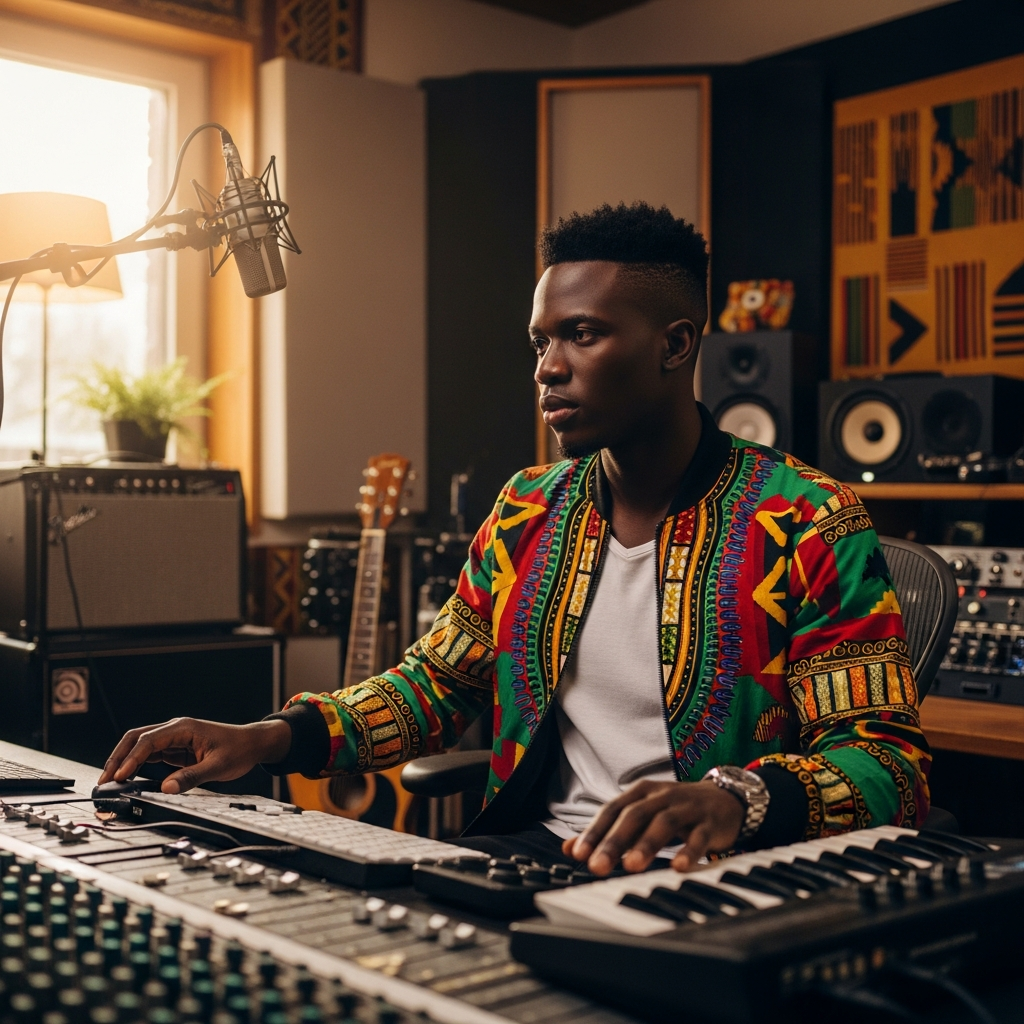
Once your music is ready and owned, you need to get it onto the digital highways where people stream. This is where digital music distributors come in. They are the bridges connecting your music to platforms like Spotify, Apple Music, Audiomack, YouTube Music, and even our very own Boomplay.
What to do:
- Research Distributors: Popular international options include TuneCore, DistroKid, CD Baby, and Ditto Music. Locally, platforms like Afriqia Music are also emerging. Each has different payment structures – some charge an annual fee, others take a percentage of your royalties, and some offer a hybrid model. Compare their services, fees, and the platforms they distribute to.
- Read the Fine Print: Don't rush! Understand their terms and conditions, especially regarding royalty splits, payout thresholds, and how long it takes to receive your earnings. A good distributor is transparent and easy to communicate with.
- Upload Metadata Accurately: This is crucial! Ensure all your song details – title, artist name, songwriters, producers, ISRC codes, and genre – are perfectly accurate. Errors here can lead to delays or even lost royalties.
Step 3: Understanding Your Ghana Music Streaming Royalties

This is often where the