Fintech Face-Off: Which Digital Payment is King in Ghana?

Think Ghana's cashless future is all sorted? Hold up! We're swimming in digital payment options, but are they really serving the average Ghanaian? Let's be real, choosing between mobile money (MoMo) and bank transfers can feel like picking your favourite jollof – both are great, but it depends on the occasion, eh?
MoMo vs. Bank Transfers: The Ultimate Showdown
For many Ghanaians, especially those in rural areas, mobile money is the undisputed king. Why? Because you don't necessarily need a bank account. MTN MoMo, Vodafone Cash, and AirtelTigo Money have become lifelines, allowing folks to send money to family, pay bills, and even receive salaries. Plus, it's often faster than trotro from Accra to Tema!
Mobile Money (MoMo): The Pros
- Accessibility: Works on almost any phone, even a 'yam' phone. No need for a fancy smartphone.
- Convenience: Agents are everywhere, making it easy to deposit and withdraw cash.
- Speed: Transfers are instant, perfect for urgent situations.
- Micro-transactions: Ideal for small payments, like buying kenkey or paying a small debt.
Mobile Money (MoMo): The Cons
- Fees: Transaction fees can add up, especially for frequent users. Watch those cedis!
- Security Risks: Prone to scams and fraud if you're not careful. Be vigilant.
- Transfer Limits: Daily and monthly limits can be restrictive for larger transactions.
Bank transfers, on the other hand, offer a different set of advantages. Traditional banks are stepping up their game with user-friendly apps and online platforms, making transfers easier than ever.
Bank Transfers: The Pros
- Security: Generally considered more secure than MoMo, with robust fraud protection measures.
- Higher Limits: Allows for larger transactions, suitable for business payments or investments.
- Interest Earning: Some accounts offer interest on balances, helping your money grow (slowly, but surely!).
- Integration: Seamlessly integrates with other financial services like loans and investments.
Bank Transfers: The Cons
- Accessibility: Requires a bank account, which can be challenging for some Ghanaians to obtain.
- Transaction Times: Transfers can take longer, especially to different banks.
- Data Costs: Requires internet access, which can be expensive.
- Limited Agent Network: Fewer physical access points compared to MoMo agents, especially in rural areas.
Choosing the Right Payment Method: A Practical Guide for Ghanaians

So, which one should you choose? Here's a simple guide:
- For daily transactions under, say, 500 cedis: MoMo is your best bet for speed and convenience.
- For larger, less urgent transactions: Bank transfers offer greater security and higher limits.
- If you're unbanked: MoMo is your only option for digital payments.
- If security is your top priority: Opt for bank transfers and enable two-factor authentication.
Staying Safe in the Digital Payment Age
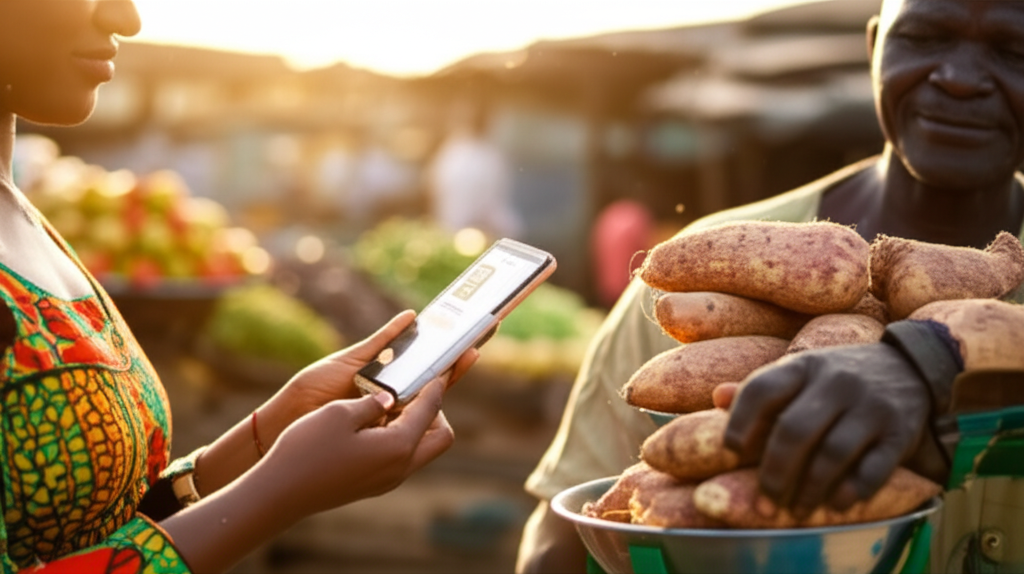
No matter which option you choose, remember these tips to stay safe:
- Never share your PIN: This is the golden rule! Banks and MoMo providers will NEVER ask for your PIN.
- Be wary of unsolicited messages: Scammers often use SMS to trick people into revealing personal information.
- Use strong passwords: Protect your bank and MoMo accounts with strong, unique passwords.
- Regularly check your statements: Monitor your transactions for any suspicious activity.
- Don't save banking details on your phone: If your phone is stolen, you're in trouble.
Digital fintech payments are changing the game in Ghana. Whether you're team MoMo or team Bank Transfer, understanding the pros and cons of each option will empower you to make smart financial decisions. Embrace the digital revolution, but always stay vigilant and protect your cedis! You dey catch vibes!