District Assemblies in Ghana: Myths vs. Reality

Imagine you're trying to fix a pothole on your street in Accra. Who do you call? Or perhaps you want to start a small business in Kumasi and need the right permits. That's where District Assemblies come in. But do you really know what they do? Let's clear up some common misconceptions about these vital local government bodies.
Myth Busting: Ghana's District Assemblies
Many Ghanaians have ideas about District Assemblies, but not all of them are accurate. Let's separate fact from fiction:
Myth 1: District Assemblies are just extensions of the central government in Accra.
Reality: While they work within the framework of national laws and policies, District Assemblies are meant to be decentralized units. This means they have the power to make decisions and implement programs that directly address the specific needs of their local communities. Think of it like this: Accra sets the national agenda, but your District Assembly decides how that agenda plays out in your neighborhood. They are responsible for planning, budgeting, and executing projects tailored to their districts.
Myth 2: District Assemblies are only responsible for collecting taxes.
Reality: Tax collection is part of their job, yes. They collect property rates, business operating permits, and other local levies. However, their mandate goes far beyond that. They are also responsible for:
- Providing basic services like waste management and sanitation.
- Maintaining infrastructure like roads, markets, and parks.
- Promoting local economic development through initiatives that support small businesses and create jobs.
- Ensuring public safety and security in collaboration with the Ghana Police Service.
- Facilitating access to education and healthcare.
Myth 3: District Assemblies operate in total isolation.
Reality: District Assemblies work with a range of stakeholders, including traditional authorities (chiefs and queen mothers), civil society organizations, religious groups, and the private sector. They are supposed to consult with these groups to ensure that their policies and programs are aligned with the needs and aspirations of the community. Think of town hall meetings and community durbars – these are avenues for Assemblies to engage with citizens.
Myth 4: All District Assemblies are equally effective.
Reality: Sadly, this isn't true. Some District Assemblies are more effective than others due to factors like:
- Availability of resources (funding, personnel, equipment).
- Leadership and management capacity.
- Levels of corruption and mismanagement.
- Citizen engagement and participation.
That's why some Assemblies struggle to deliver basic services while others are thriving and innovative. Recently, a committee recommended upgrading 33 local Assemblies, signaling an effort to boost decentralization and improve governance across the country.
Myth 5: District Assemblies are above accountability.
Reality: District Assemblies are accountable to the people they serve. You have the right to:
- Attend Assembly meetings (they are generally open to the public).
- Demand information about Assembly finances and activities.
- Participate in decision-making processes.
- Hold Assembly members accountable for their actions.
If you see something amiss, don't stay silent! Report it to the appropriate authorities or use citizen engagement platforms to voice your concerns. Remember, it's your money and your community.
How Decentralization & Effective District Assemblies Affect You

Why should you care about District Assemblies? Because they directly impact your quality of life. Imagine:
- Better Roads: A well-functioning Assembly can ensure that roads in your community are properly maintained, reducing travel time and vehicle damage.
- Clean Environment: Effective waste management programs can prevent the spread of diseases and create a healthier living environment.
- More Jobs: Assemblies can attract investment and support local businesses, creating employment opportunities for young people.
- Improved Security: Streetlights, community watch programs, and collaboration with the police can enhance public safety.
Getting Involved: Your Role in Local Governance
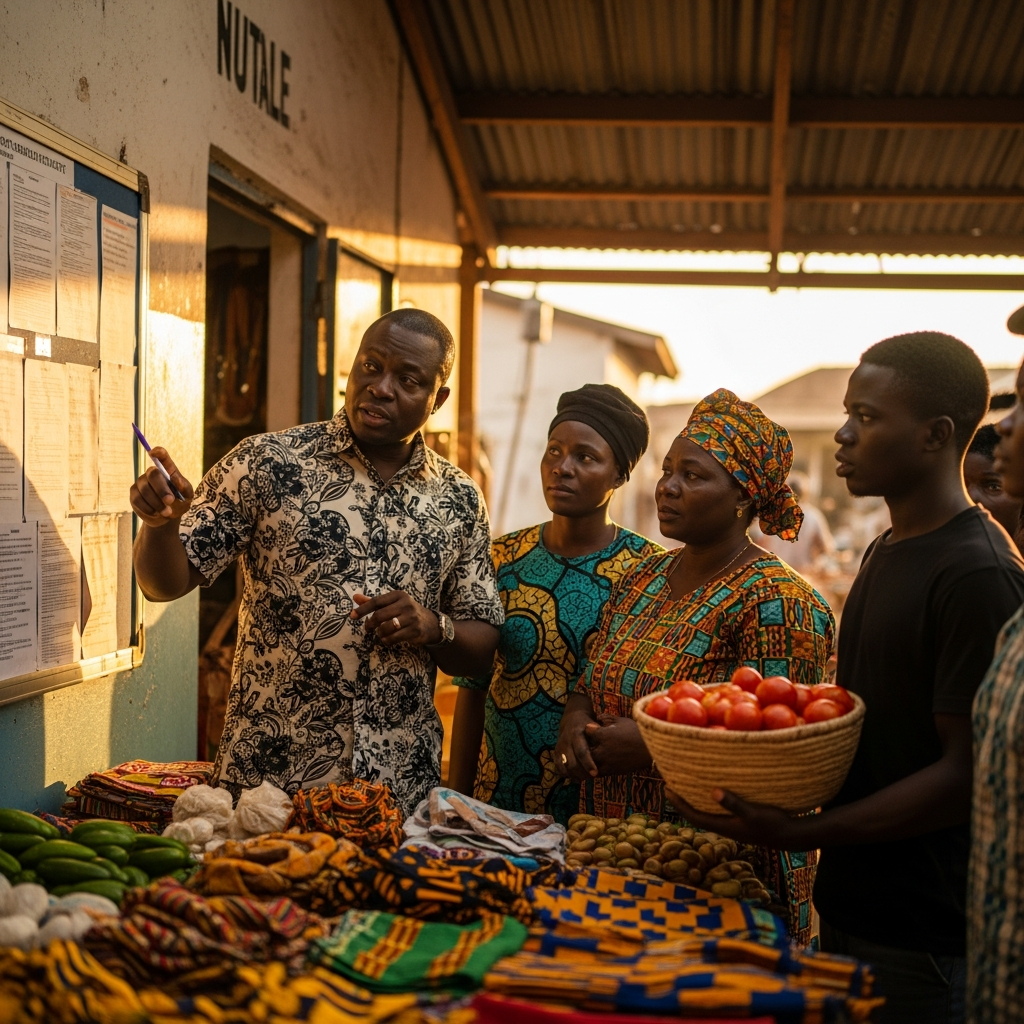
Want to see positive change in your community? Here's how you can get involved:
- Attend Assembly Meetings: Find out when and where your Assembly meets and make an effort to attend. This is a great way to stay informed and voice your opinions.
- Join a Community Development Committee: These committees work with the Assembly to identify local needs and implement development projects.
- Pay Your Property Rates: These rates are a major source of revenue for Assemblies. By paying your rates on time, you're contributing to the development of your community. You can often pay conveniently via MTN MoMo or other mobile money platforms.
- Hold Your Assembly Members Accountable: Ask questions, demand transparency, and don't be afraid to criticize when necessary. Remember, they are there to serve you.
District Assemblies are a crucial part of Ghana's governance structure. By understanding their role and getting involved in local governance, you can help create a better future for your community and contribute to the overall development of Ghana. Each small action, like paying your dues or attending a meeting, builds up to a stronger, more effective local government. Let's work together to make our District Assemblies work for all of us!