AI in Ghana: Separating Hype from Hope for the Future

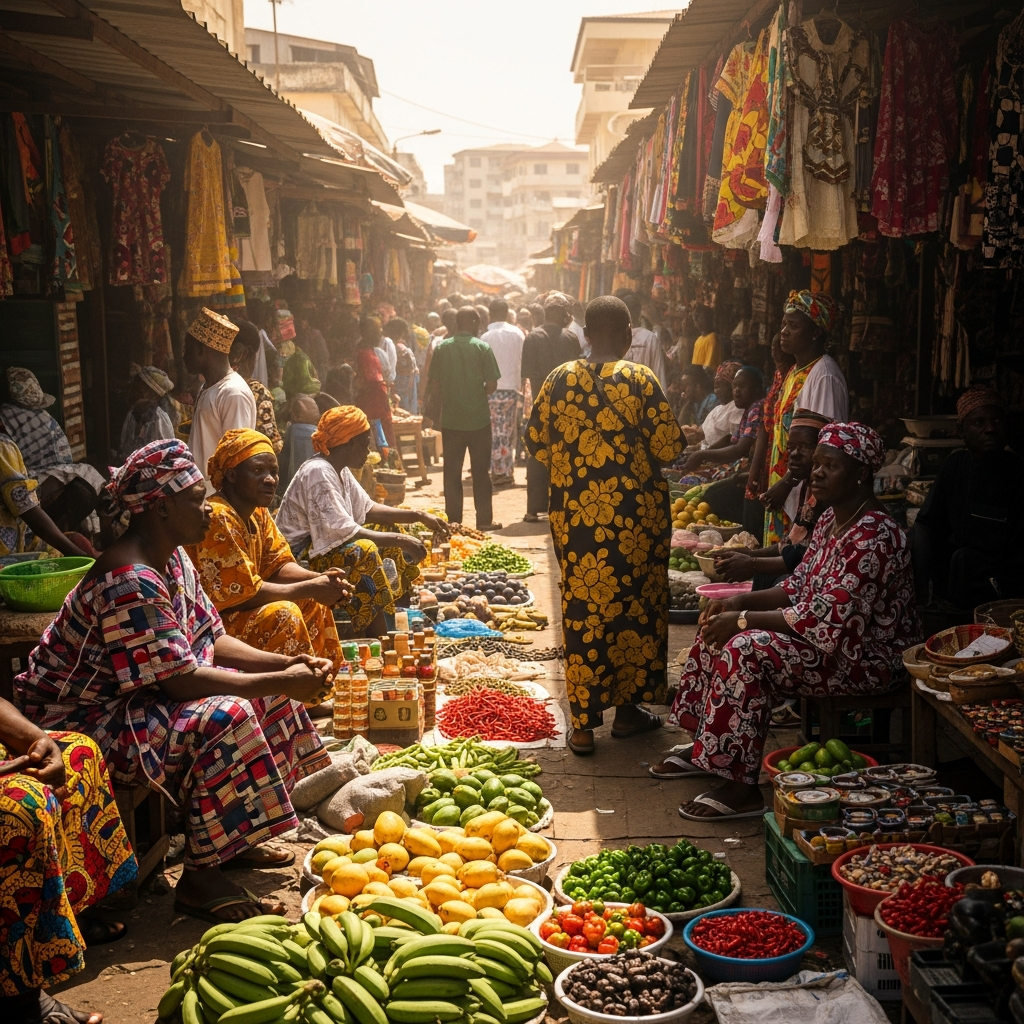
Forget what you see in the movies! Artificial Intelligence (AI) isn't about robots taking over Accra. In Ghana, it's about using data smartly to improve our lives. The government is pushing hard for AI, but what does it really mean for you, the average Ghanaian trying to make ends meet? Let's unpack it.
What's the Big Deal with AI Anyway?
Okay, so you've heard the term 'AI' floating around. Maybe you think it's some oyibo thing that doesn't concern you. Not true! AI is simply using computers to do things that normally require human intelligence. Think of it like this: instead of a farmer guessing when to plant, AI can analyze weather patterns and soil conditions to tell them the best time to plant for a bigger harvest. Or, imagine healthcare providers using AI to diagnose illnesses faster and more accurately, especially in rural areas where doctors are scarce. That's the potential.
Ghana's National AI Strategy: What's the Plan?
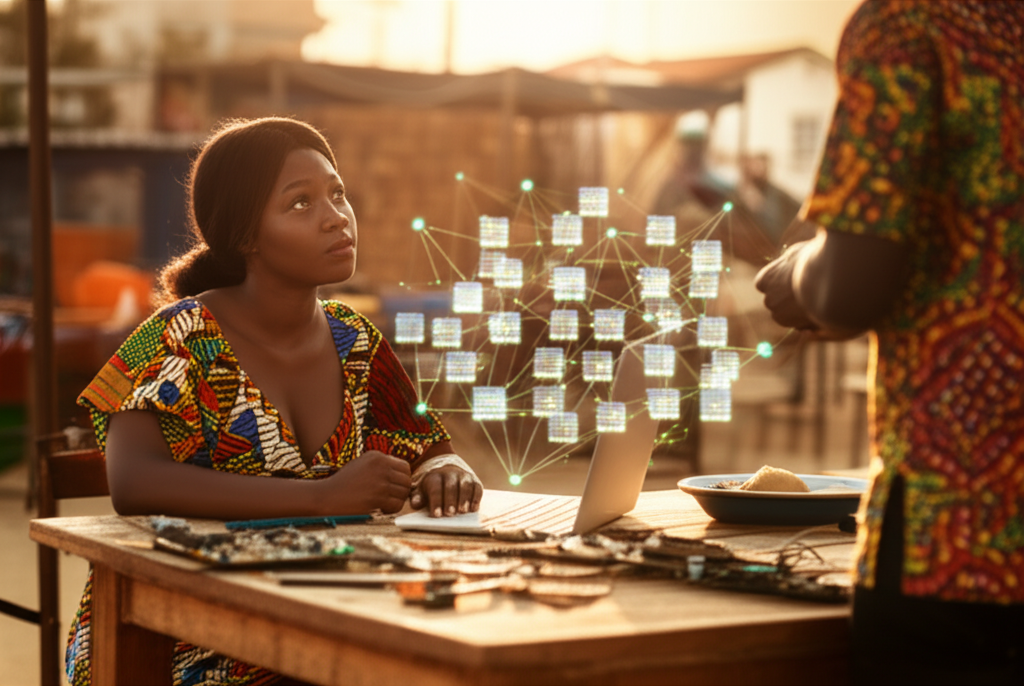
The government has launched a National AI Strategy with big goals. They want Ghana to become a leader in AI innovation in Africa. This means attracting investment, training experts, and using AI to solve our problems in areas like:
- Agriculture: Improving crop yields, reducing waste, and connecting farmers to markets.
- Healthcare: Diagnosing diseases, managing patient records, and delivering telemedicine services.
- Education: Personalizing learning, providing access to online resources, and improving educational outcomes.
- Transportation: Optimizing traffic flow, improving road safety, and developing smart transportation systems.
- National Security: Enhancing crime prevention and improving border security.
Sounds good, right? But how will this actually affect your life?
How Does This AI Strategy Affect Me Directly?

That's the million-cedi question! Here's how AI could impact your daily life:
- More Efficient Services: Imagine dealing with GRA or NHIS online, with AI-powered chatbots answering your questions instantly, instead of waiting in long queues.
- Better Healthcare: AI could help doctors in your local clinic diagnose illnesses earlier, leading to better treatment and outcomes.
- Improved Farming: If you're a farmer, AI-powered tools could help you optimize your planting, irrigation, and harvesting, leading to higher yields and more income.
- New Job Opportunities: As the AI sector grows, there will be demand for data scientists, AI engineers, and other tech professionals. This could create new job opportunities for young Ghanaians.
What Are the Challenges? (It's Not All Jollof and Jokes)
Let's be real, there are challenges. Ghana needs to improve internet access, especially in rural areas. We also need more trained AI professionals. And, of course, there are ethical considerations – we need to make sure AI is used responsibly and fairly. Here are a few specific roadblocks:
- Infrastructure: Reliable internet is crucial. How can AI help farmers if they can't even get online?
- Skills Gap: We need more Ghanaians trained in AI. The government needs to invest in education and training programs.
- Data Privacy: How will our personal data be protected when AI systems collect and analyze it?
What Can I Do Today to Prepare for the AI Future?
You don't need to become a coding expert overnight! Here are a few simple things you can do:
- Improve Your Digital Literacy: Learn how to use computers, smartphones, and the internet effectively. Many community centers offer free or affordable training.
- Take Online Courses: Platforms like Coursera and edX offer courses on AI and related topics. Some are even free!
- Follow Tech News: Stay up-to-date on the latest developments in AI and technology by following tech blogs and news sites (like VibesGH!).
- Support Local AI Initiatives: Look out for local AI startups and initiatives and support them in any way you can.
AI: Opportunity or Just Hype?
AI has the potential to transform Ghana for the better. But it's not a magic bullet. We need to address the challenges, invest in education and infrastructure, and ensure that AI is used responsibly and ethically. It's not just about the government; it's about all of us – from the trotro driver using a navigation app to the market woman using mobile money – embracing technology and using it to improve our lives. Let's work together to make Ghana an AI success story! The future dey be!